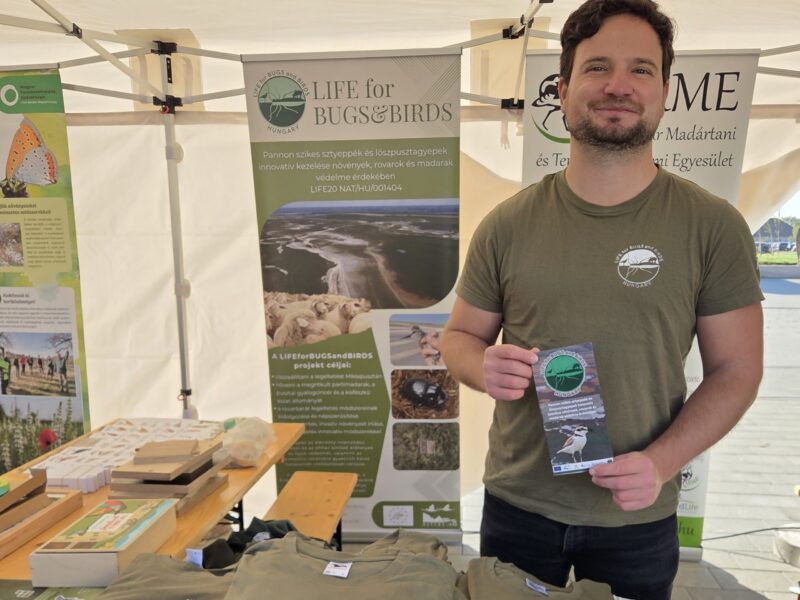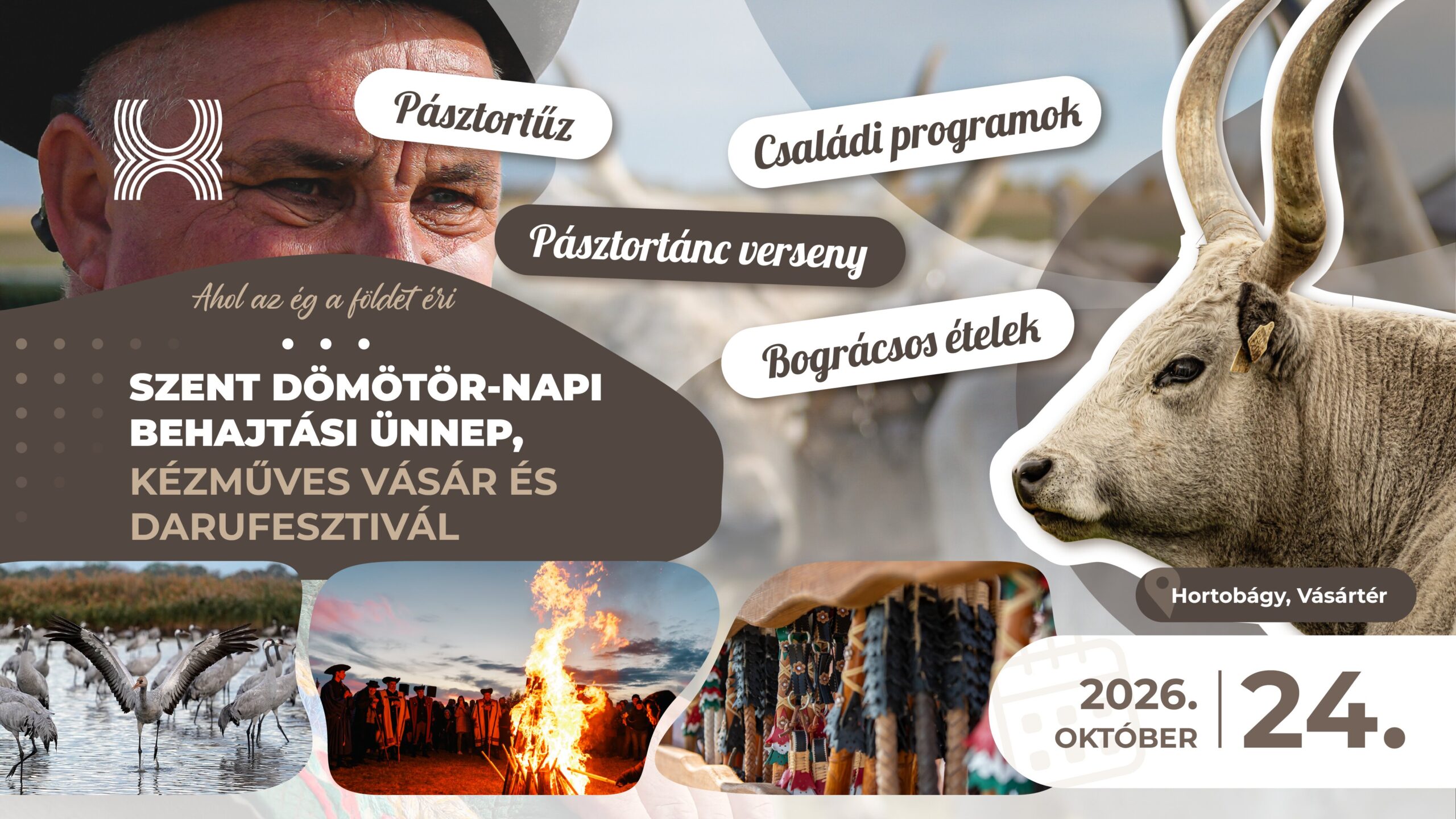
This year, we once again took part in the St. Dömötör’s Day Herd-in Festival, where shepherds and their livestock—including Hungarian Racka sheep, Noniusz horses, and teams of buffalo and Hungarian Grey cattle—made their way from the pastures of the puszta to their winter shelters, continuing a tradition that has endured for centuries.
October is not only the time when livestock are driven in from the pastures; it is also a season of celebration in nature. Every autumn, hundreds of thousands of cranes migrating from the north stop over in Hortobágy before continuing their journey south. This seasonal phenomenon, known as crane migration, involves the cranes’ daily flights at dusk to their roosting sites. It lasts only a few weeks, yet offers an unforgettable experience to visitors taking part in the programmes organised around it.
The traditional herd-in, also known as beszorulás, is one of the major annual celebrations in the lives of shepherds. It marks the end of the grazing season, when farmers bring their livestock in from the pastures and into barns and winter shelters. During the annual stocktaking, shepherds account for livestock losses and young livestock, providing a record of the herd or flock at the end of the grazing season.
Historically, the herd-in was associated with St. Dömötör (St. Demetrius), the patron saint of shepherds, and his feast day became an important occasion for celebration. Farmers settled their accounts with the shepherds, who would then spend several days dömötörözés—celebrating with feasting, merrymaking and traditional shepherds’ balls.
Today, the herd-in traditionally associated with 26 October has largely become symbolic. By late October, livestock no longer necessarily return from the pastures with snow on their backs, as the old saying goes. Weather permitting, animals may remain out on the pastures throughout November, sometimes until 1 December. After that, the lambing and calving season begins, and the livestock need to be brought under shelter.
St. Dömötör’s Day was also known as the Shepherds’ New Year. In many areas, this was the customary date for shepherds to settle their accounts with their employers and renew or terminate their service agreements.
Around Hortobágy, estate shepherds and peasant grazing associations organised festivities to mark St. Dömötör’s Day. The celebrations held at the end of the shepherds’ annual accounting period were known by various names, including juhászbál (shepherds’ ball), juhásztor, juhtor and dömötörözés. The festivities often lasted an entire week, known as dömötörhét (St. Dömötör’s Week).
For several years, the St. Dömötör’s Day Herd-in Festival, Craft Fair and Crane Festival have been held at the same time and venue through cooperation between Hortobágyi Nonprofit Kft. and the Hortobágy National Park Directorate. This joint event gives visitors the opportunity to discover the region’s natural heritage and experience the cultural traditions and way of life of Hortobágy’s shepherds.
The Municipality of Hortobágy also organises a craft fair for the occasion, allowing visitors to take home a piece of the region’s distinctive heritage. The all-day event featured a craft fair, traditional shepherds’ dishes cooked in a bogrács (a traditional Hungarian cauldron), folk dance performances, nature-themed educational games and hands-on craft activities.
Our project stand welcomed numerous children and adults, giving us an excellent opportunity to raise awareness of our project’s objectives, our nature conservation activities and grazing practices that support biodiversity conservation. We were particularly pleased to exchange professional knowledge and practical experience with several farmers and shepherds.
We would like to thank everyone who visited our stand and contributed to the exchange of ideas with their questions, insights and experience!
Written by: Renáta Gál
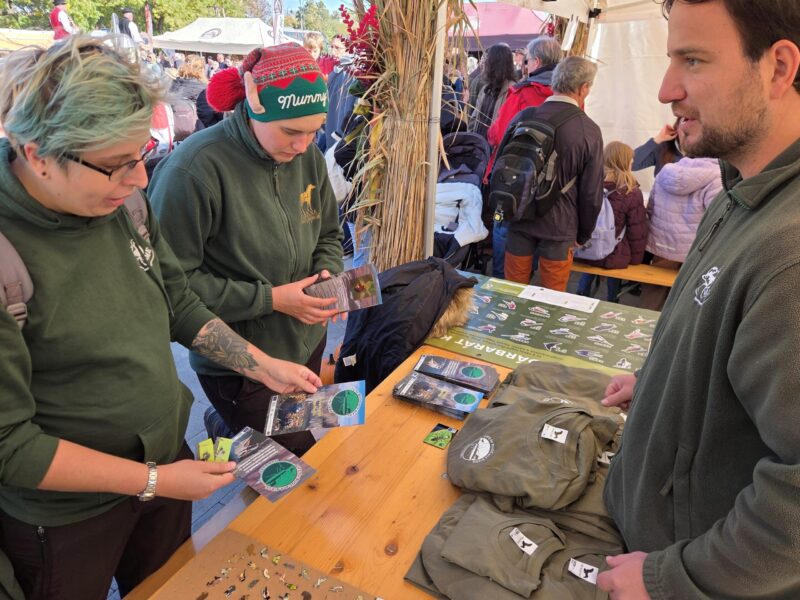 Foto: HNPI