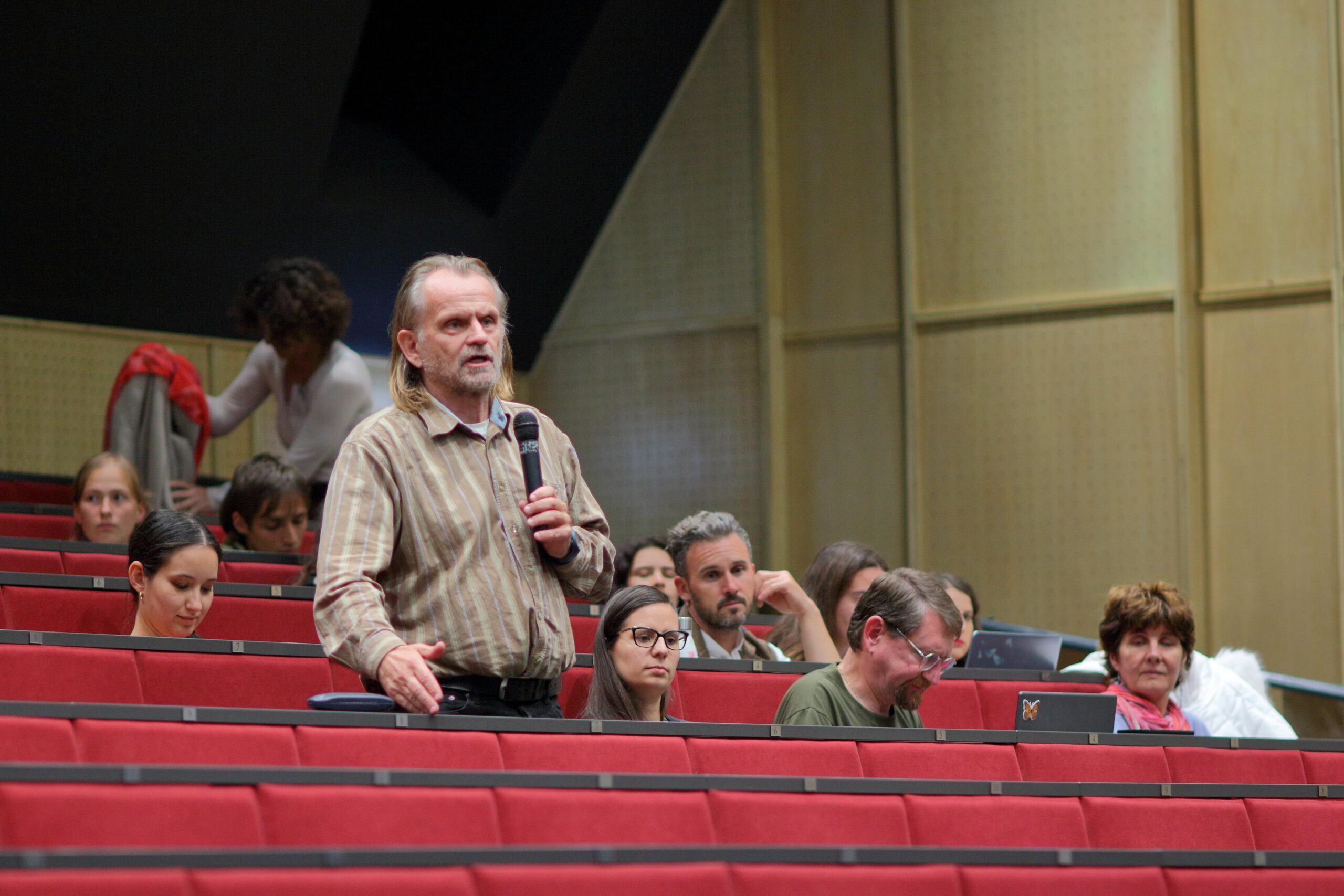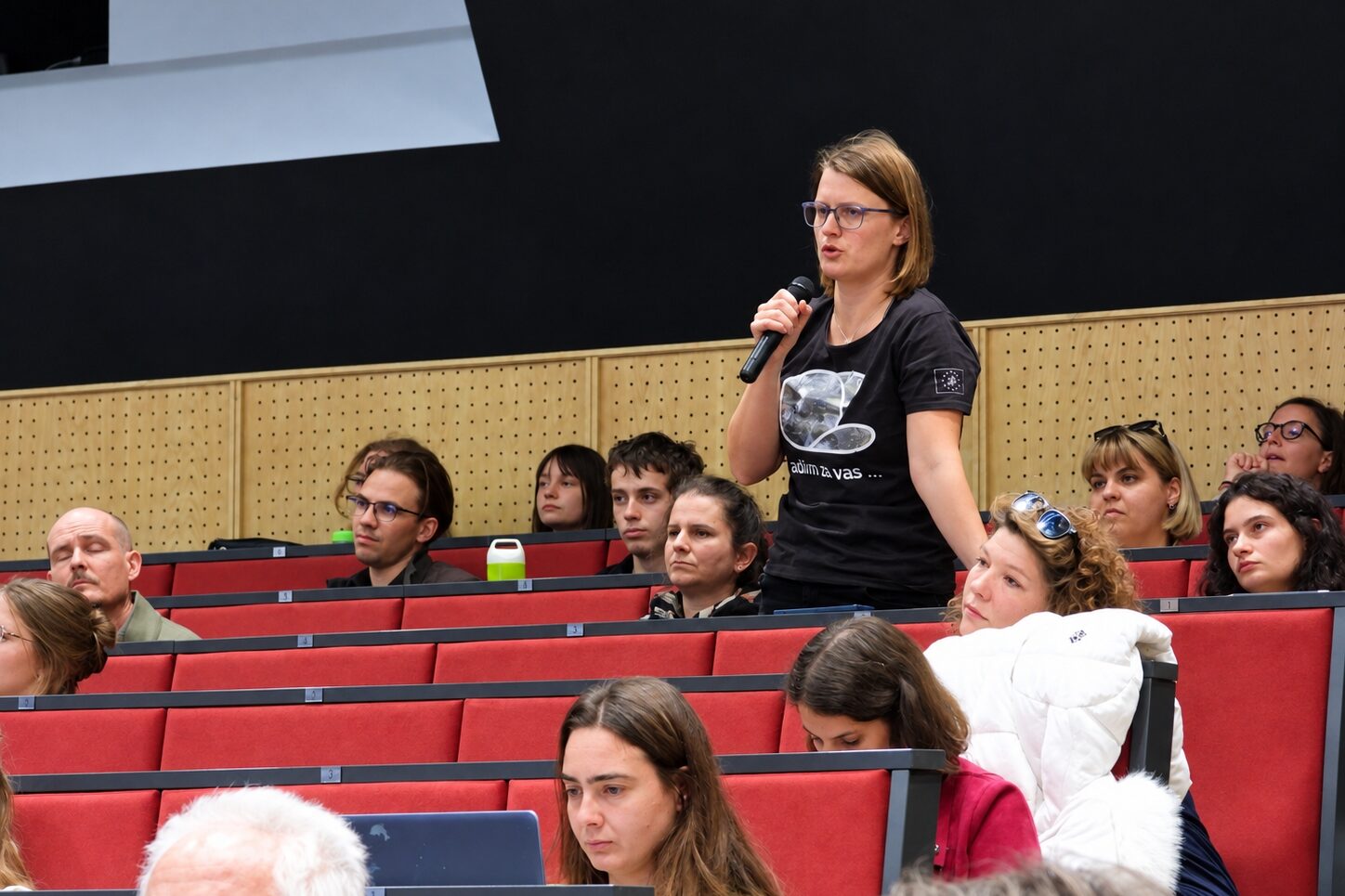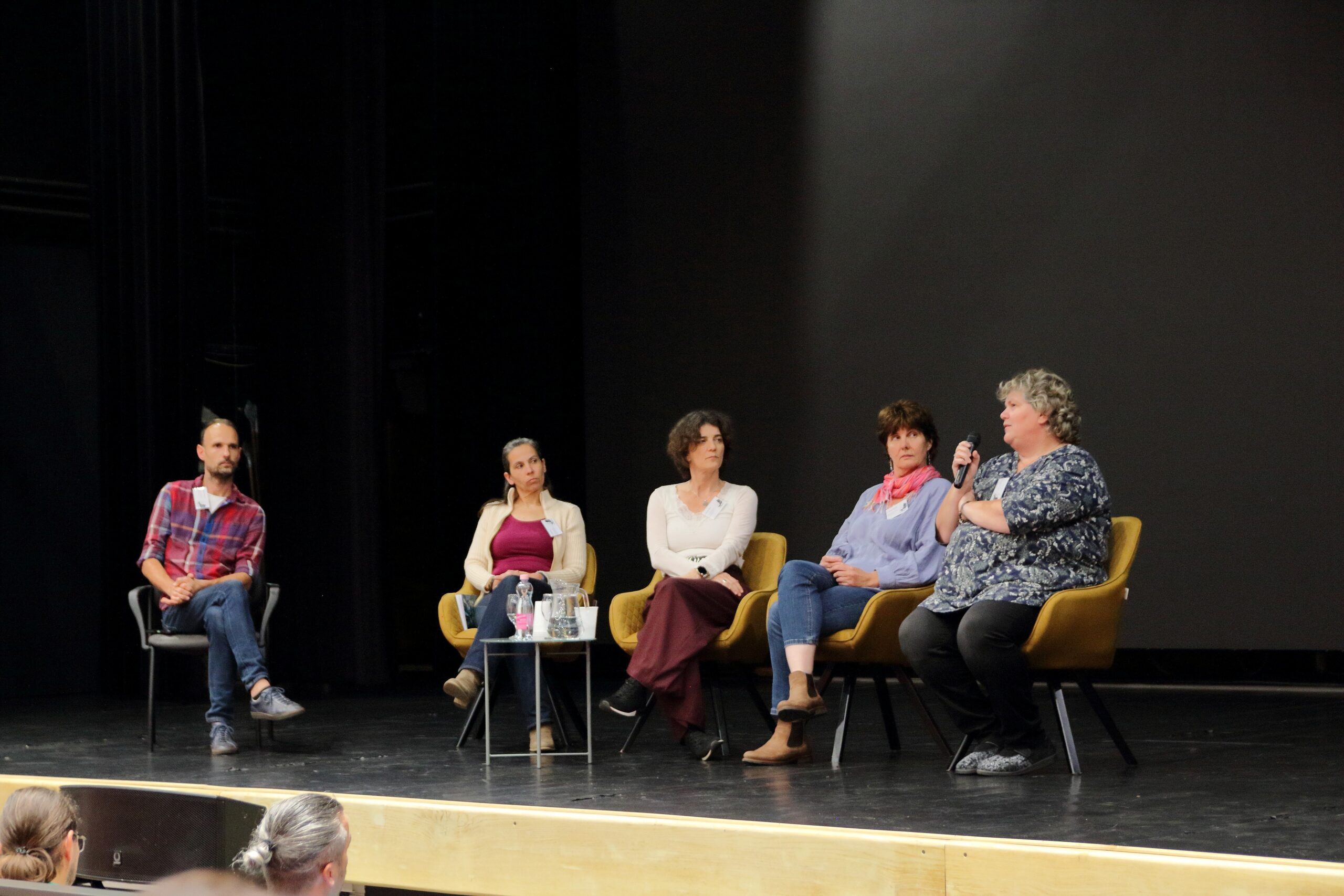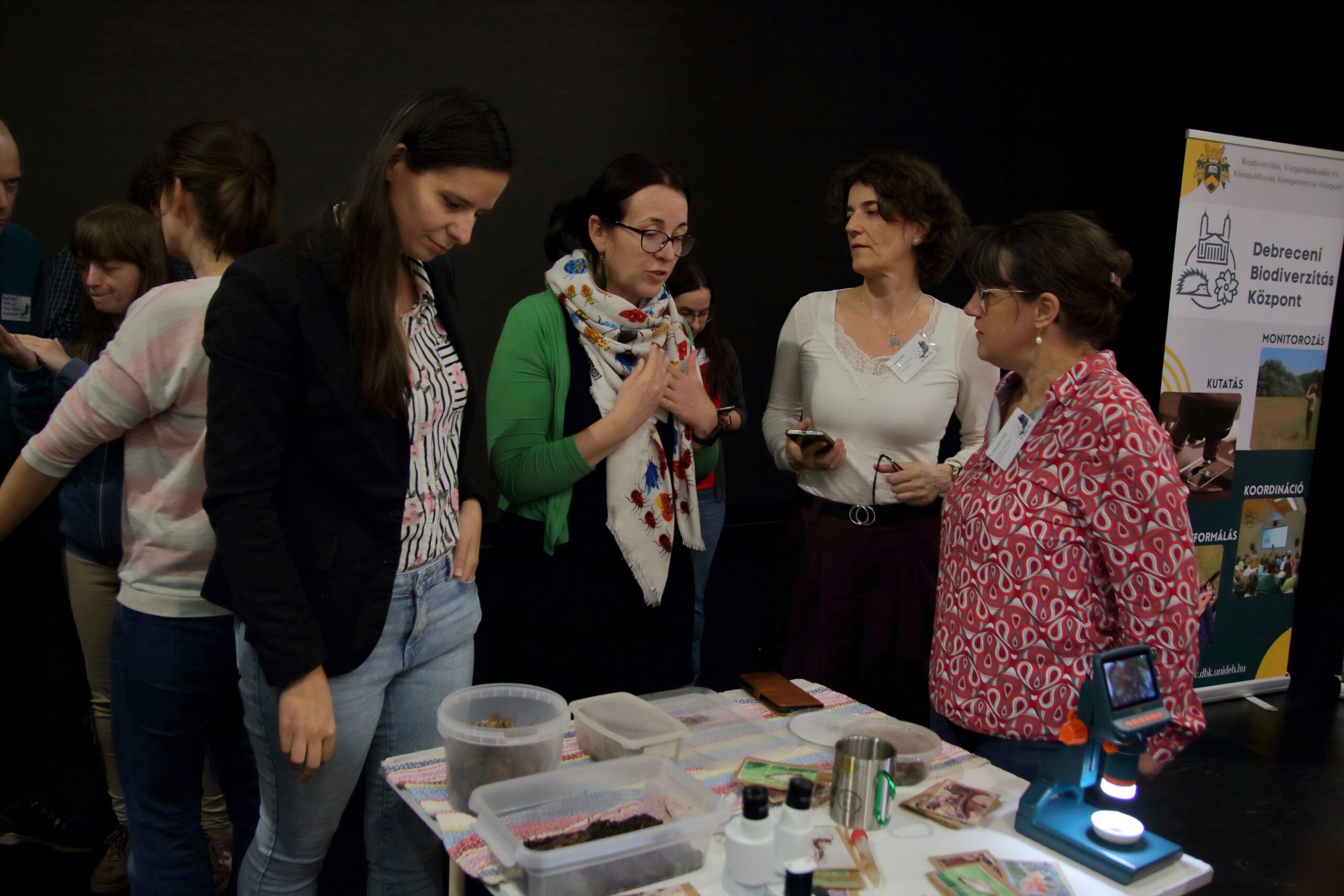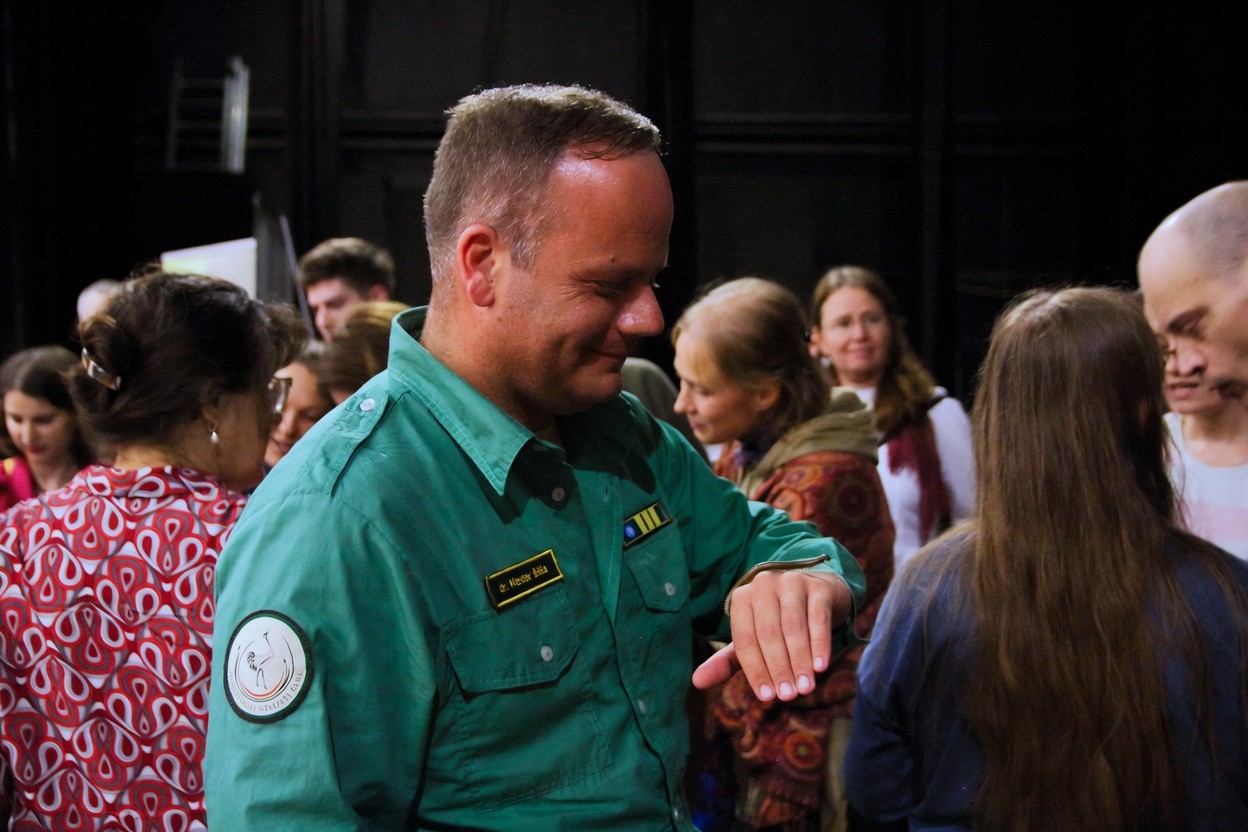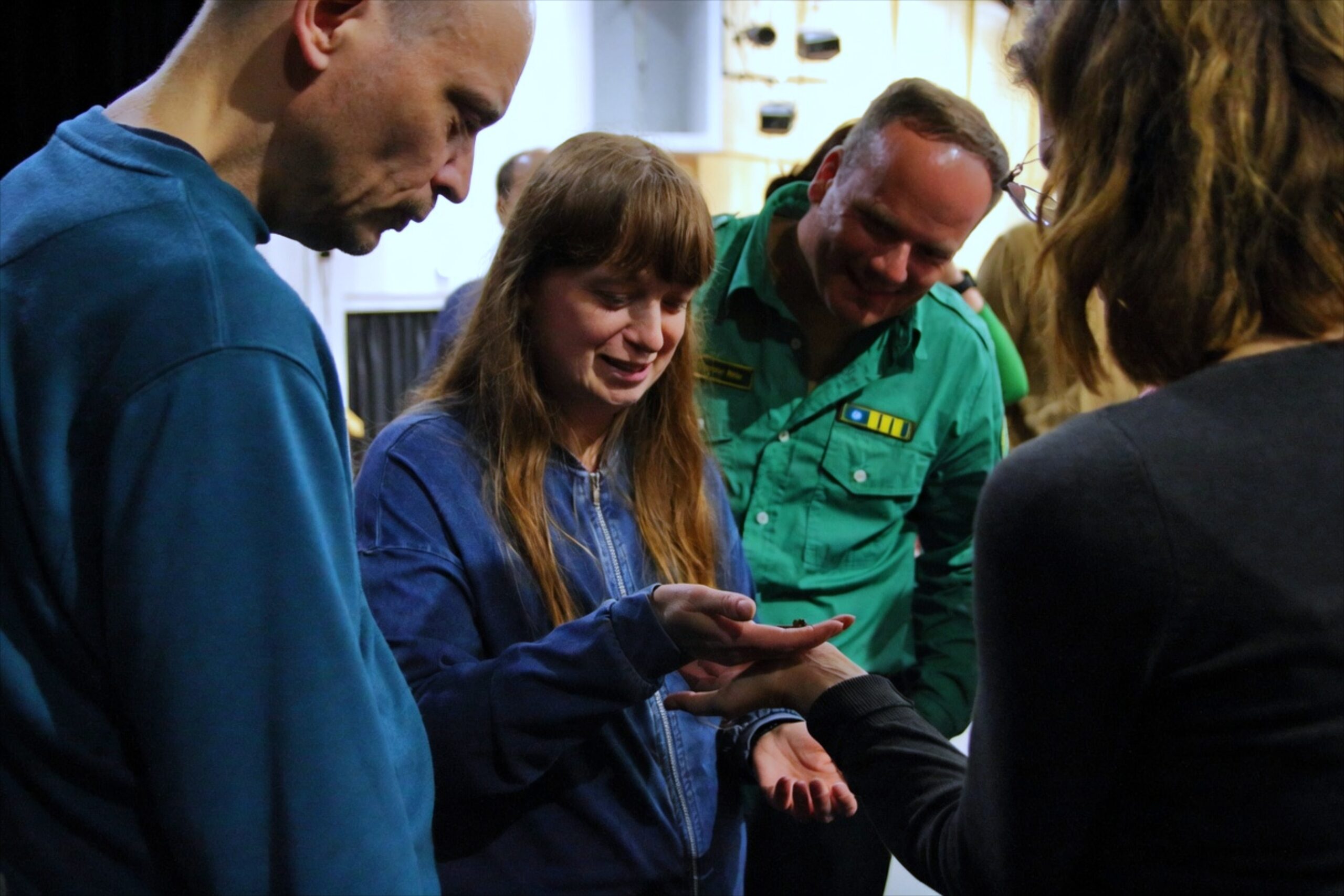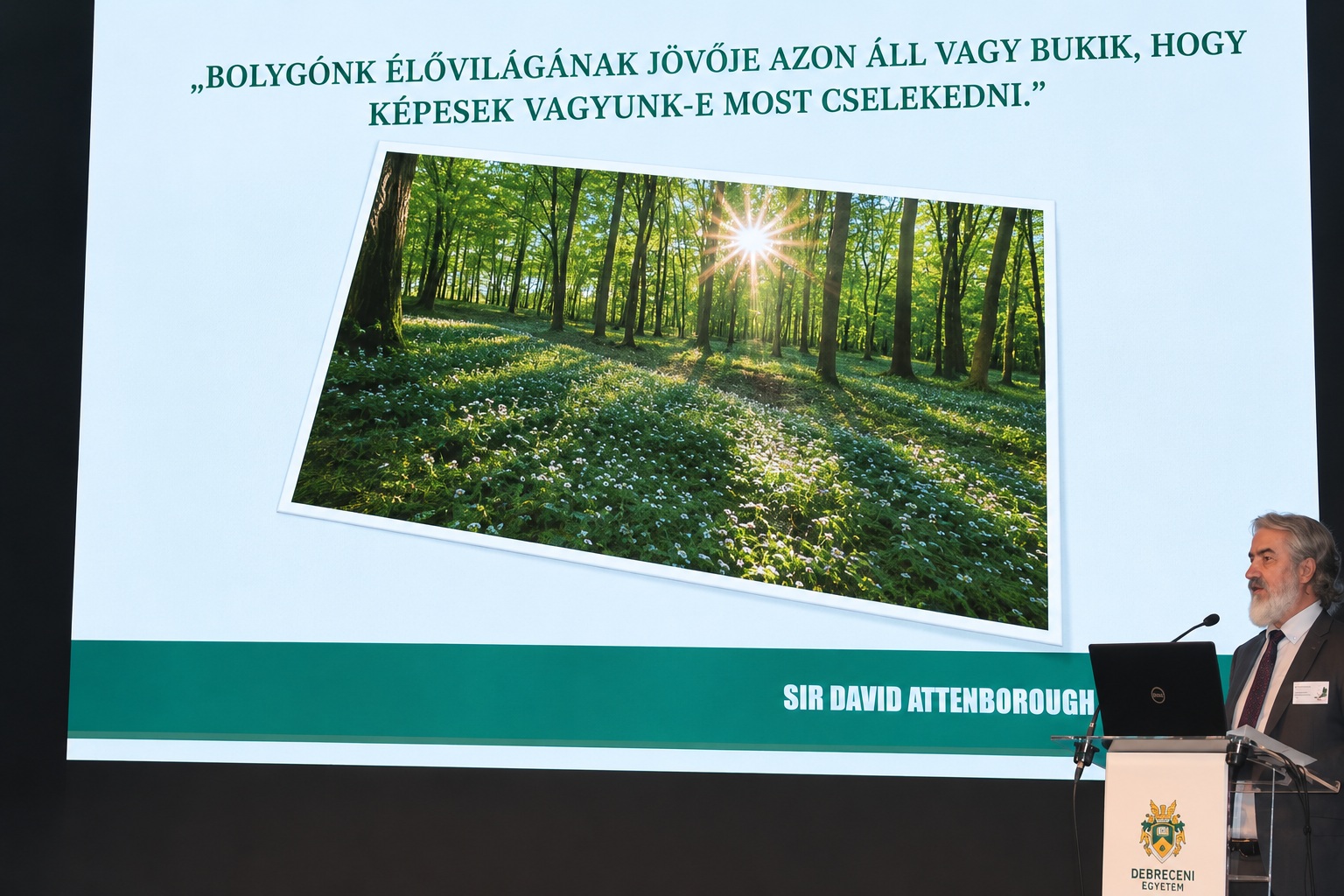
Between October 20 and 23, 2026, Debrecen hosted the jubilee 15th Hungarian Conference on Conservation Biology (MTBK), centered around the theme “Pollution, Biodiversity, and Nature Conservation.” The four-day event served as a major forum for the domestic professional community in conservation, biology, and ecology, where researchers, conservation practitioners, and experts from related fields shared their latest findings, experiences, and ideas.
The conference held particular significance as it marked the first time in the history of the MTBK series that the topic of pollution took center stage. The issue is especially pressing today: industrial, agricultural, and other sources of pollution, along with urbanization and various anthropogenic pressures, pose severe challenges to biodiversity preservation. The conference program sought to address these issues not only by presenting scientific research, but also by discussing viable conservation solutions and practical field experiences.
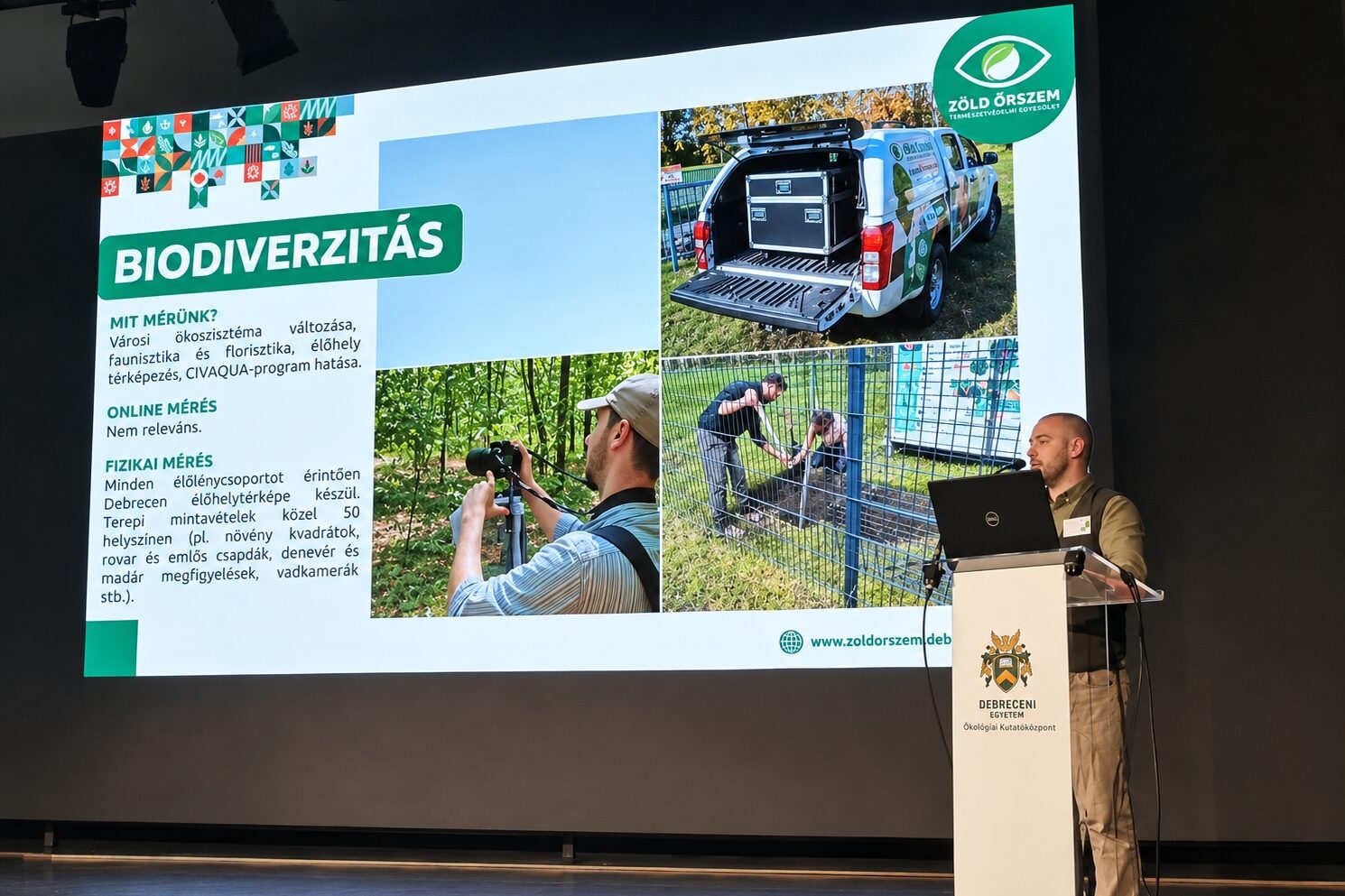
The scientific program was diverse, offering plenary lectures, symposia, poster presentations, and panel discussions. The first full day focused primarily on pollution and its conservation significance. Discussions addressed agricultural pollution, the soil biological effects of ivermectin, insect-friendly grazing practices, pressures on wetland ecosystems, the impact of wastewater on fish fauna, and the ecological consequences of light pollution and urbanization.
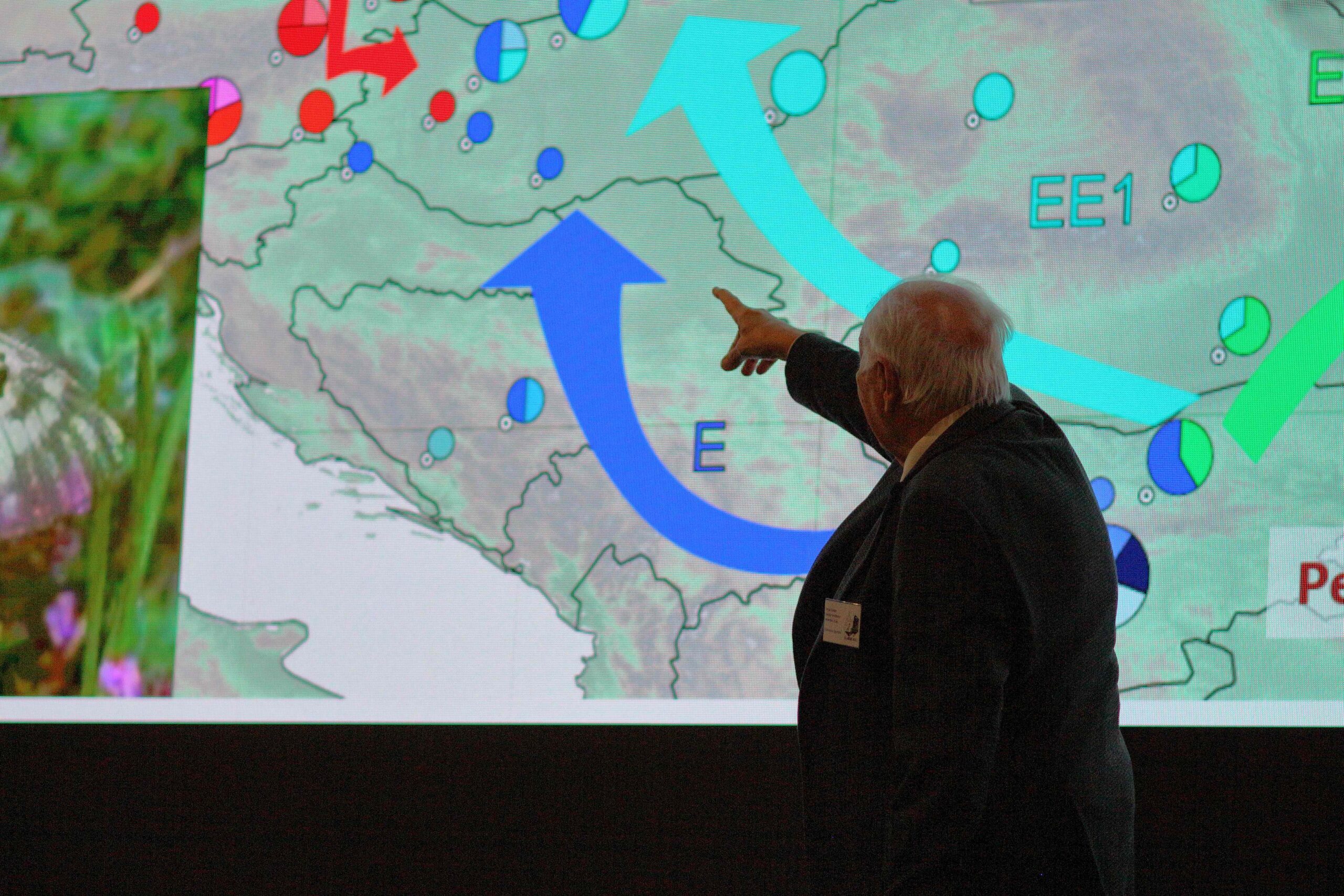
The second day took a broader look at current challenges in nature conservation. The agenda covered wetland restoration, conservation aspects of forest management, approaches to controlling invasive alien species, species and genetic conservation, conservation priorities, and assessments of diverse habitats and management interventions. The day concluded with panel discussions focusing on the implementation of the Nature Restoration Law, as well as the relationship between soil life, science, and public outreach.
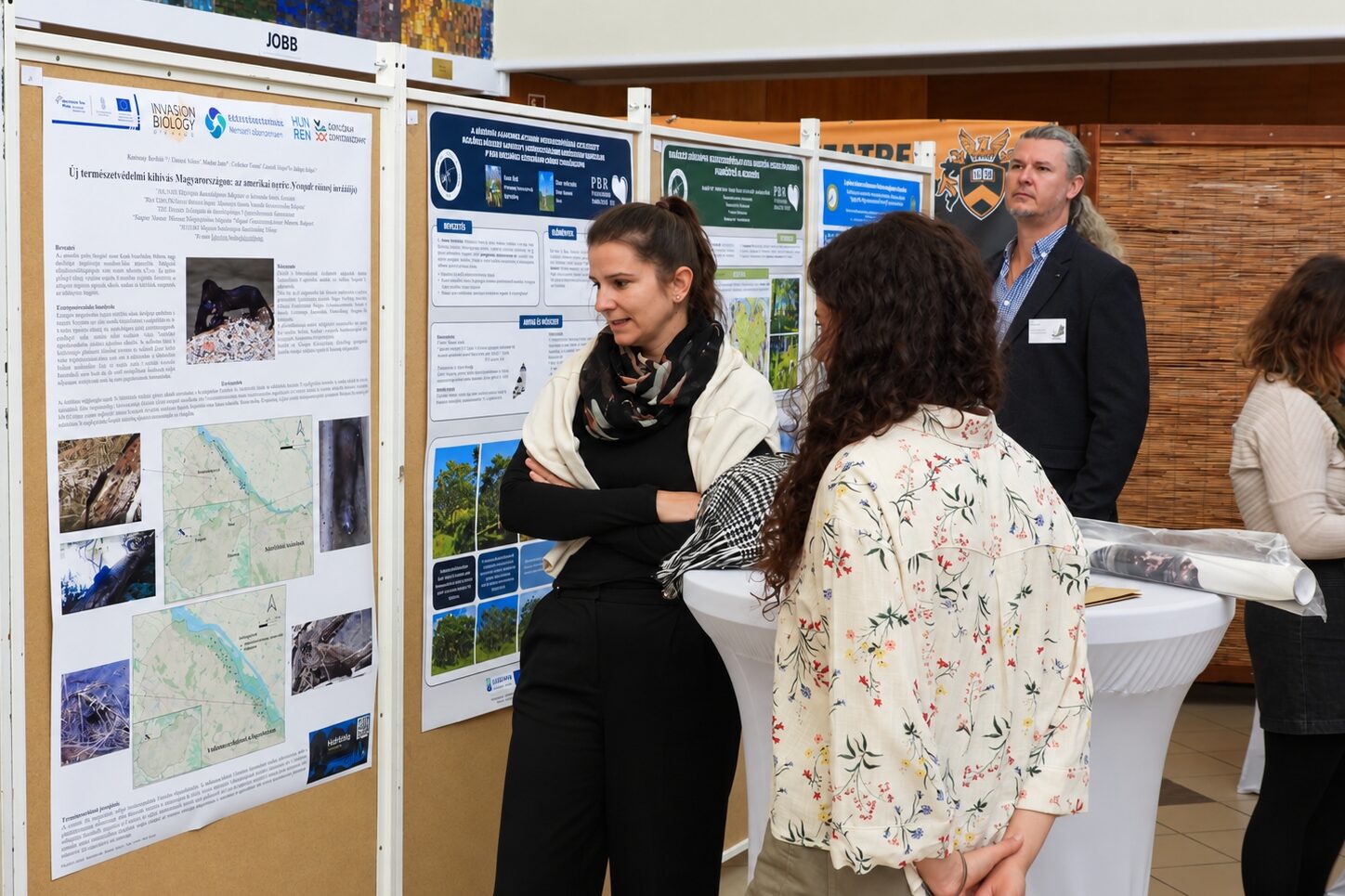
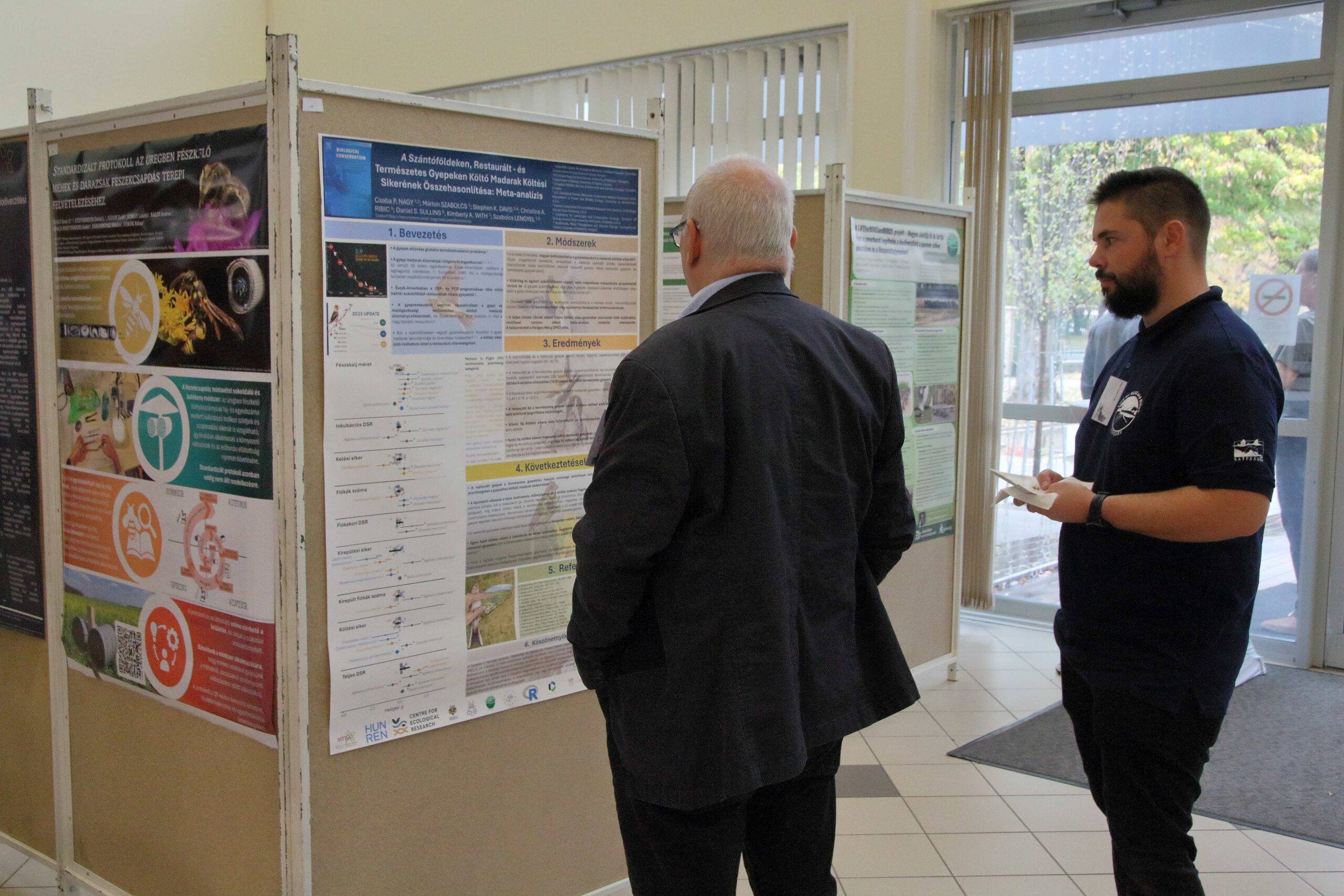
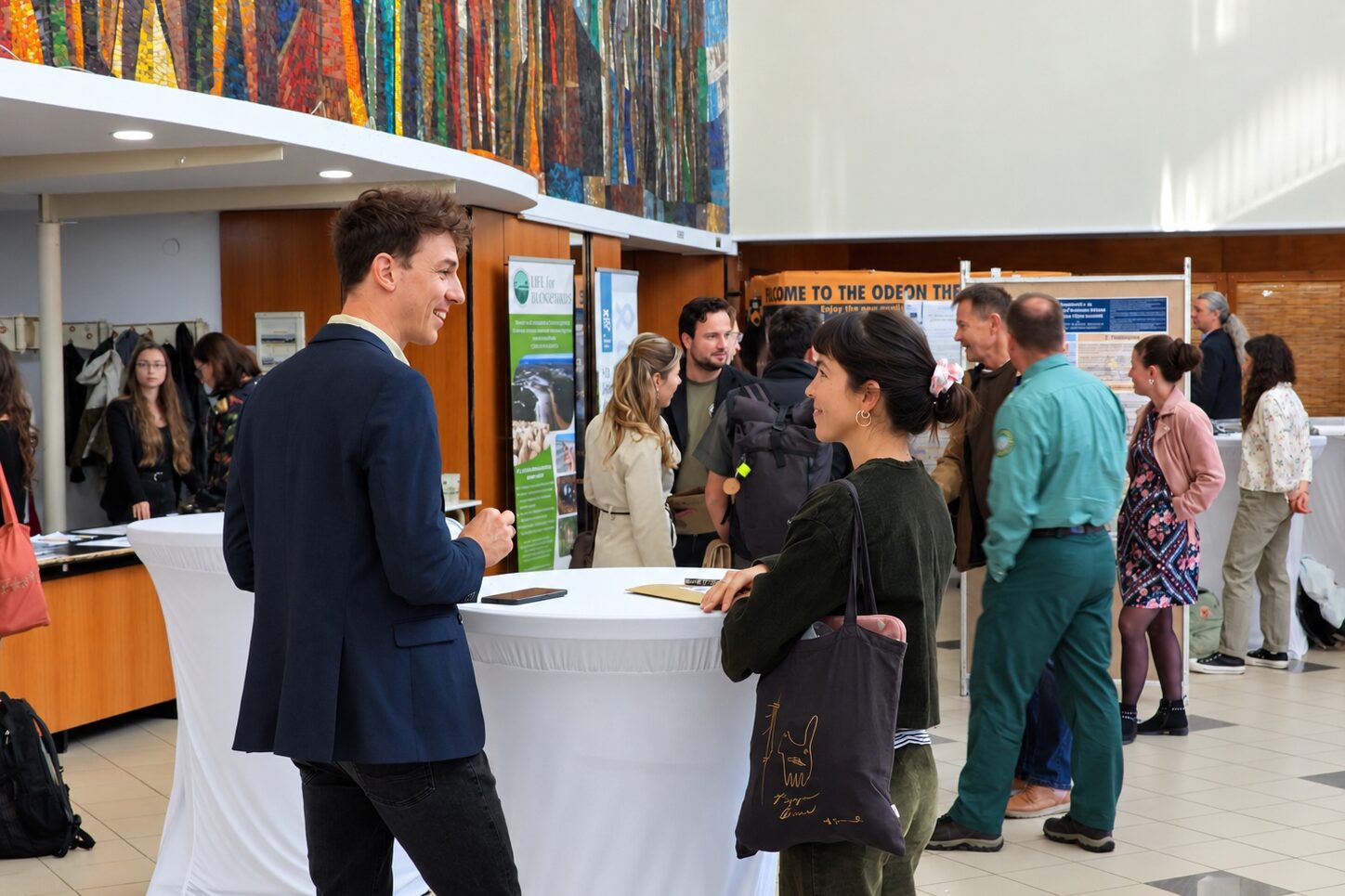
Alongside the oral presentations, poster sessions also played a prominent role. The displayed research covered an extensive variety of habitats, taxonomic groups, and conservation challenges—ranging from the ecotoxicological impacts of microplastics, pollinator monitoring, and amphibian community surveys, to conservation issues surrounding forests, grasslands, wetlands, and rare plant and animal species. The poster sessions also provided an ideal setting for informal networking and collaborative discussions.
The scientific program was complemented by two optional field trips closely aligned with the conference themes. One excursion took participants to Hortobágy National Park to observe common cranes and other migratory birds, offering an inside look into the wetland habitat restoration of the Hortobágy-Halastó (Fishponds). The second trip highlighted environmental monitoring issues tied to recent industrial and economic developments in and around Debrecen, including visits and discussions concerning the Civaqua program, the Nagy-legelő (Great Pasture), environmental monitoring systems, and local industrial parks.
The event was also a milestone for the host city: the jubilee 15th MTBK returned to Debrecen exactly 15 years after the city hosted the 7th conference.
The conference was organized by the Hungarian Biological Society, the University of Debrecen, the HUN-REN Centre for Ecological Research, and the Hortobágy National Park Directorate. Scientific support was provided by the Section of Biological Sciences of the Hungarian Academy of Sciences (MTA), the MTA Ecological Scientific Committee, and the Society for Conservation Biology Europe Region.
Additional institutional and project support came from the Competence Center for Biodiversity, Water Management and Climate Change at the University of Debrecen; the Institute of Aquatic Ecology of the HUN-REN Centre for Ecological Research and the LIFEforBUGSandBIRDS project; the Hortobágy National Park Directorate; the Herman Ottó Institute Nonprofit Ltd. through the Vadonleső (WildWatch) Program and the Grassland-HU LIFE integrated project; and the European Union’s NoPlanetB project.
We extend our sincere thanks to all speakers, poster presenters, invited experts, attendees, sponsors, and partners for contributing to the success of the 15th Hungarian Conference on Conservation Biology!
The abstract volume is available online HERE.
Written by: Máté Tóth
 Kurzusok, regisztráció