Insect-friendly grazing from a close perspective – “White patches” and “green solutions” in Miklapuszta

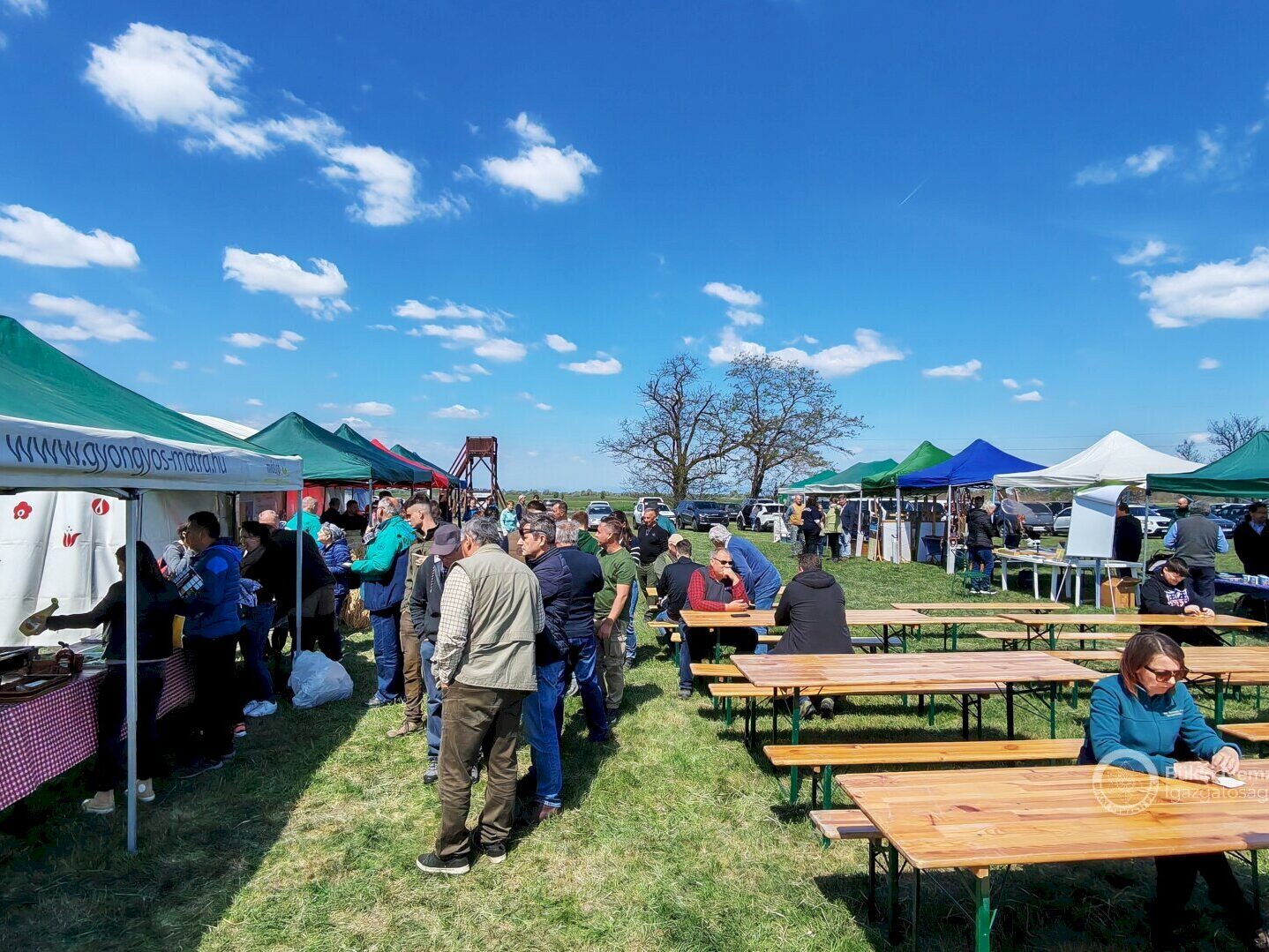
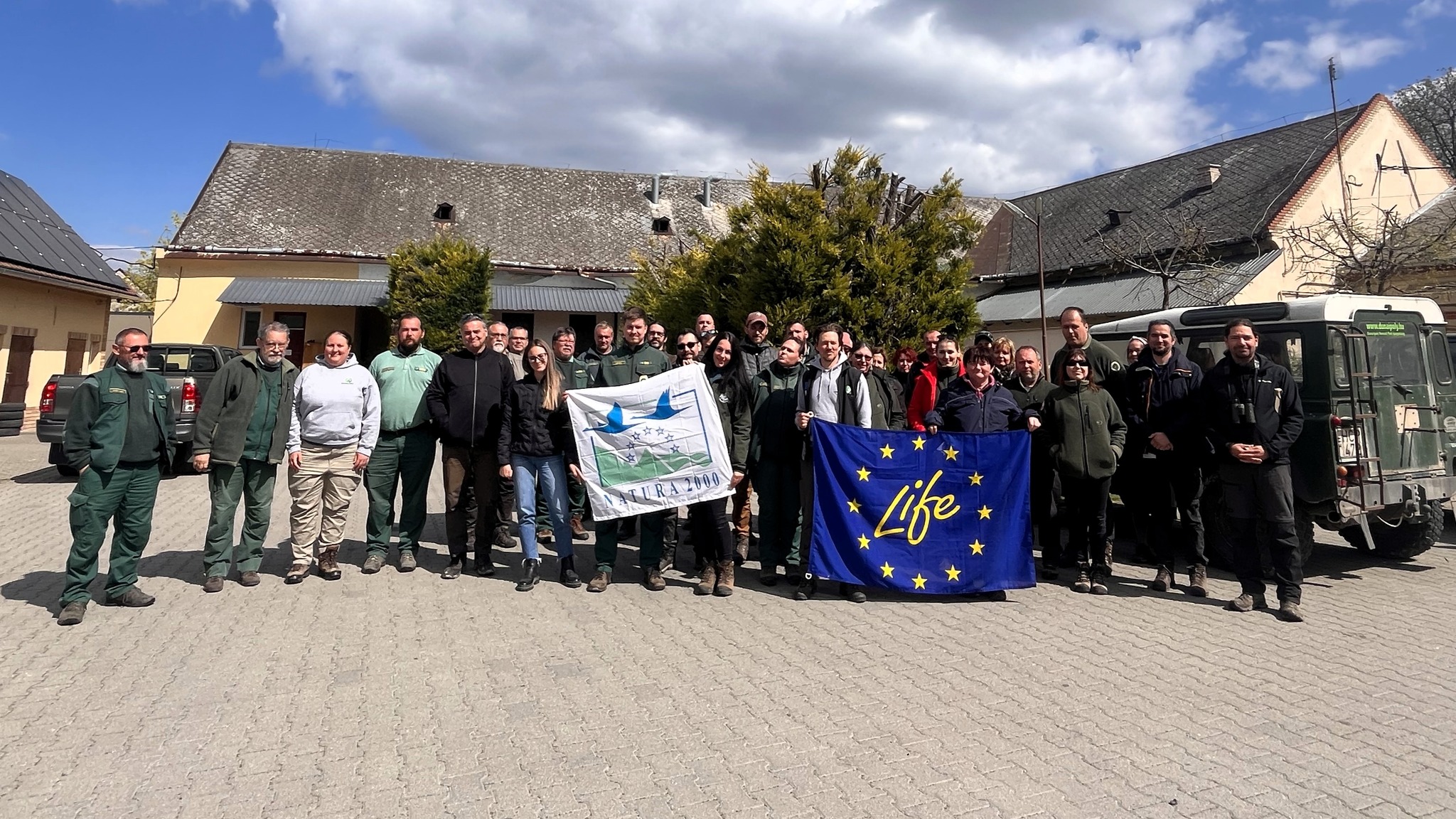
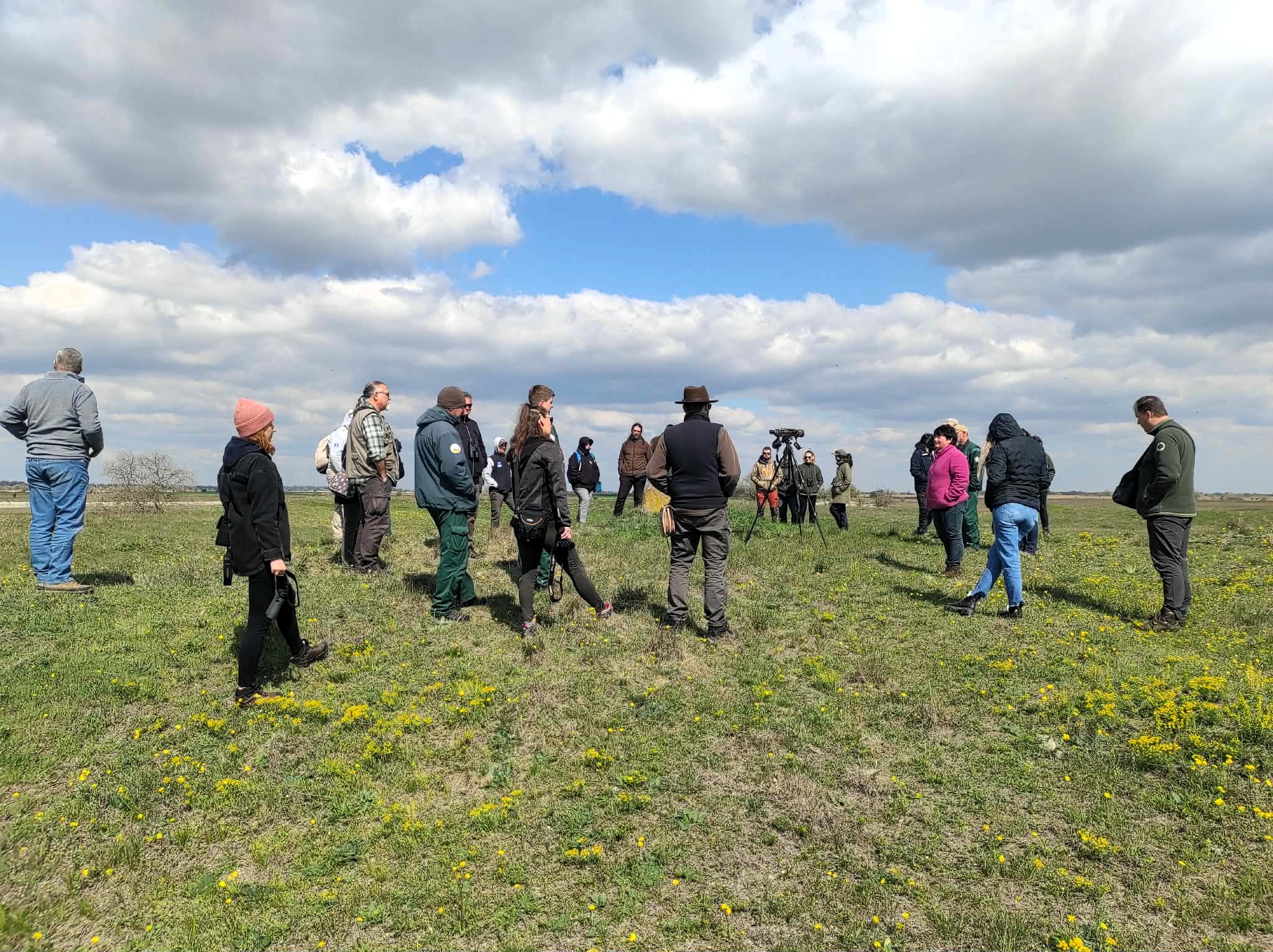
Experts from the Grassland Life IP project, a professional project team being active in the fields of grassland manegament and conservation, visited us. The participants became acquainted with the conservation management practices implemented in Miklapuszta during in thorough field visit.The following report summarizes their experiences and impressions.

We would like to take this opportunity to thank them for the valuable exchange of professional knowledge and for the enjoyable and productive day spent together!

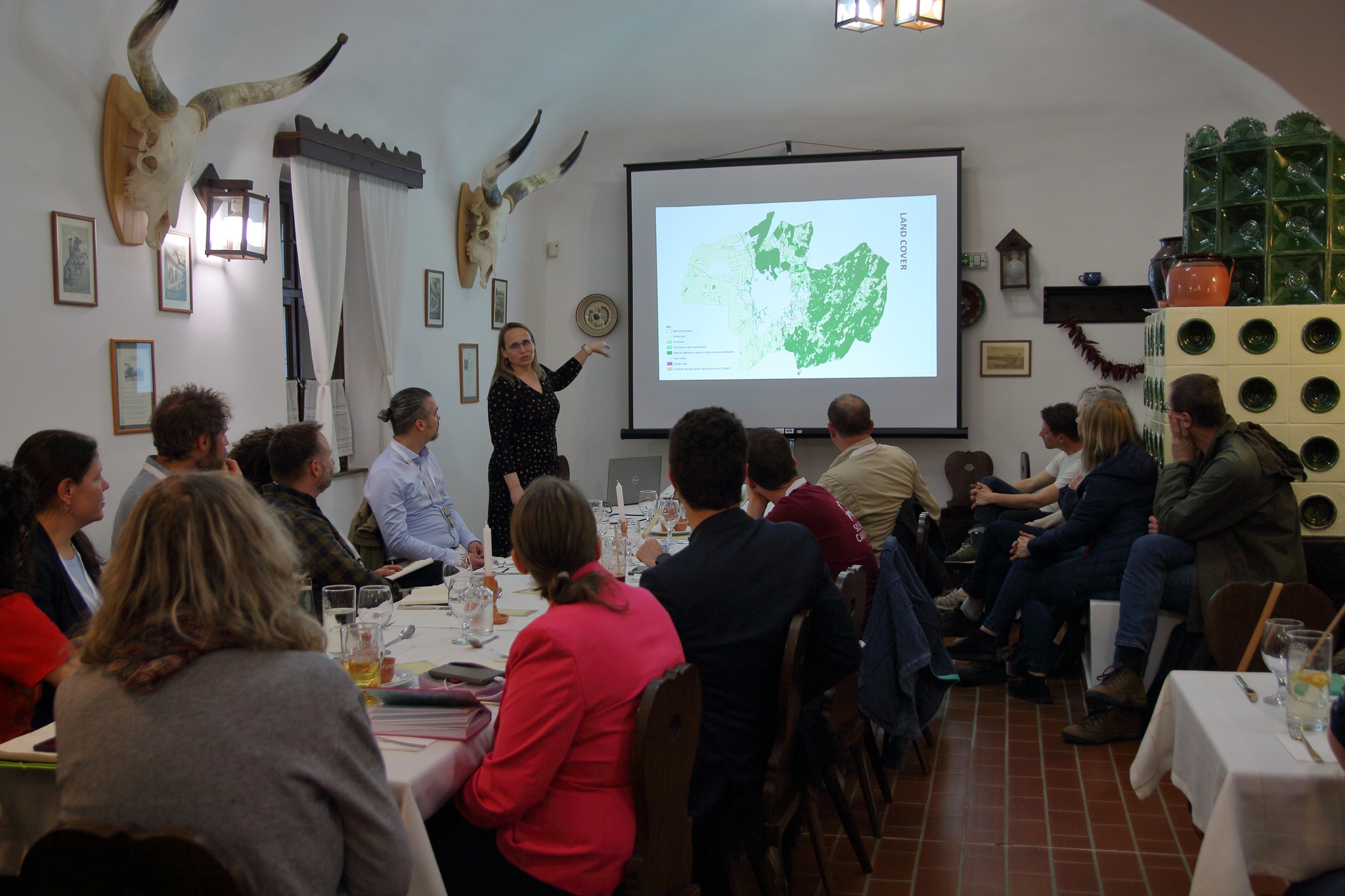
As part of the Grassland Advisory Service established by the LIFE-IP GRASSLAND-HU project, we took part in a field visit to Miklapuszta, located on the Danube Plain at the boundary of the Solt Plain and the Kalocsa–Sárköz region. This unique alkaline habitat developed after the regulation of the Danube, as a result of altered groundwater dynamics. The low-lying, dazzling white saline patches that appear in summer are interspersed with slightly elevated areas representing outstanding natural value with their distinctive microtopography and rich biodiversity. These mosaic-like steppes are remarkable not only for their vegetation but also as important habitats for migratory birds, arthropods, and many other animals.

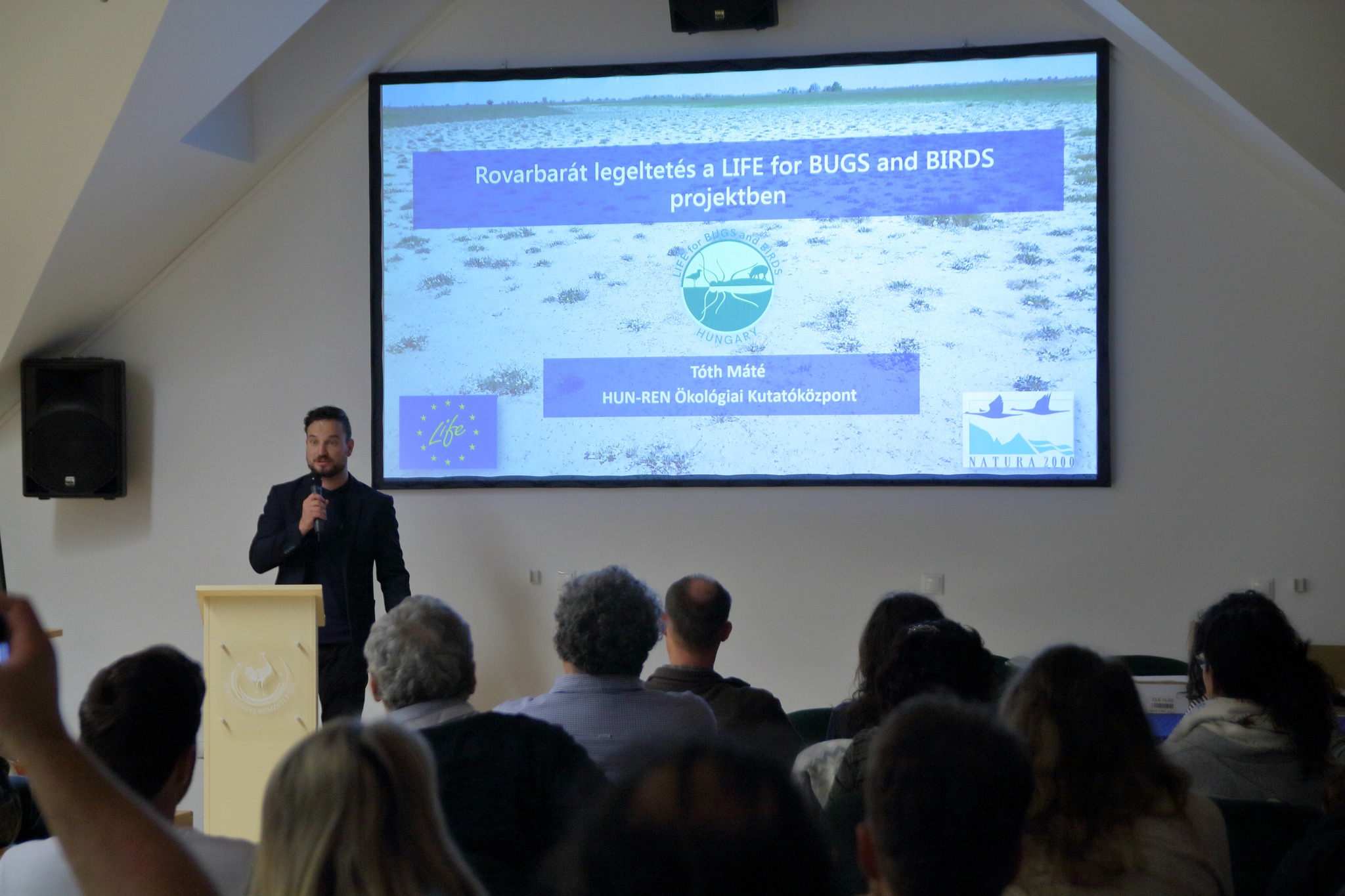
During the field day, experts from the Kiskunság National Park Directorate, the HUN-REN Centre for Ecological Research, and the Danube Region Nature and Environmental Protection Public Foundation guided us through the area and introduced the ongoing conservation work. The results of the LIFEforBUGSandBIRDS project were presented and the global decline of arthropods, as well as the harmful effects of ivermectin-based antiparasitic treatments were discussed. While these substances effectively eliminate internal parasites in livestock, anthelmintics are also excreted into the natural environment through the dung of grazing animals. As a consequence, anthelmintics unintentionally decimate populations of various dung beetle species. It was emphasized that insect-friendly grazing practices could prevent these effects—particularly in the case of dung beetles and other grassland arthropods.

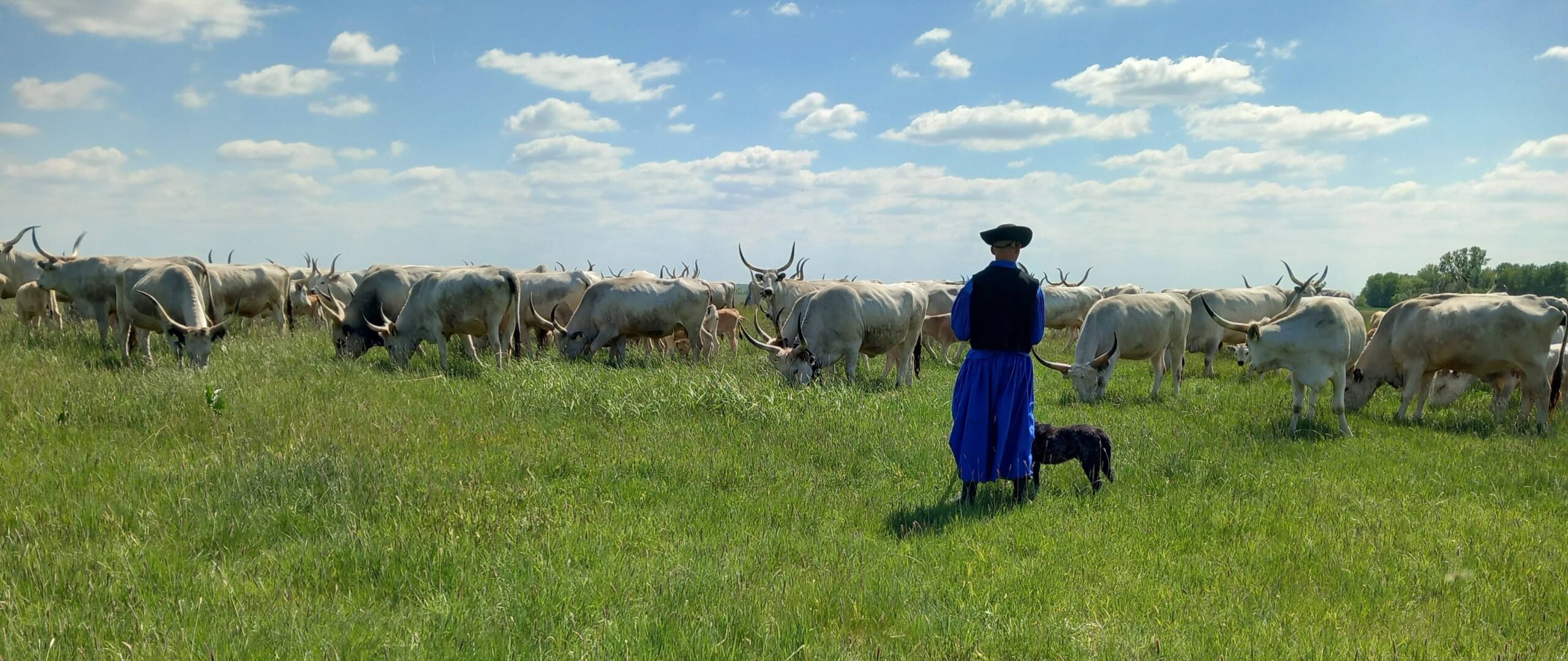
In recent decades Miklapuszta has become neglected as many similar areas in the country, and large-scale negative trends linked to land abandonment, like shrub encroachment and reed expansion have begun. However, thanks to the positive effects of “insect-friendly grazing” applied within the project area, we could observe species during our short tour, such as the Early Spider Orchid, the Fragrant Orchid, and the Kentish Plover, which breeds at only a handful of locations in Hungary.

An additional, distinctive aspect of the visit was that part of the study area is managed by the prison service, meaning that conservation activities take place within a particularly unique framework. There are few grasslands in the country that are so strictly “guarded.”

Thanks to Flóra Hák and Péter Balázsi for the report!

Photos: Zita Zsembery (HOI), Péter Balázsi (BNPI)

We participated in the Soil – Climate – Health Sector Professional Day

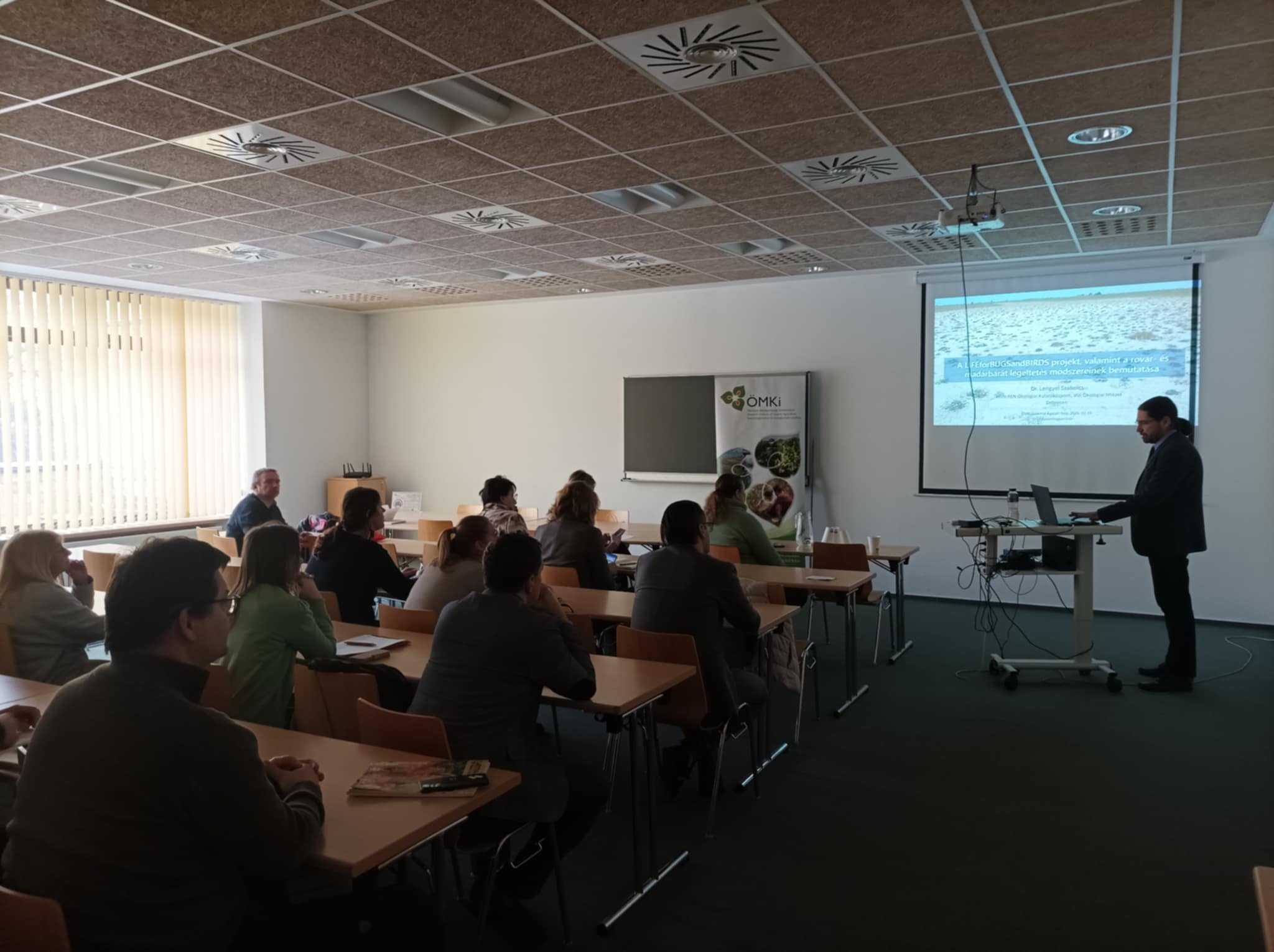
Close to 200 experts participated in the Soil – Climate – Health Sectoral Professional Day conference on ecological farming, organised by the Research Institute of Organic Agriculture at the Kázmér Albert Faculty of Széchenyi University in Mosonmagyaróvár, western Hungary.
In addition to researchers from the university, invited speakers reported on current topics in ecological farming and the latest research results. The conference focused on soil health, the increasing effects of climate change, and plant and animal health.
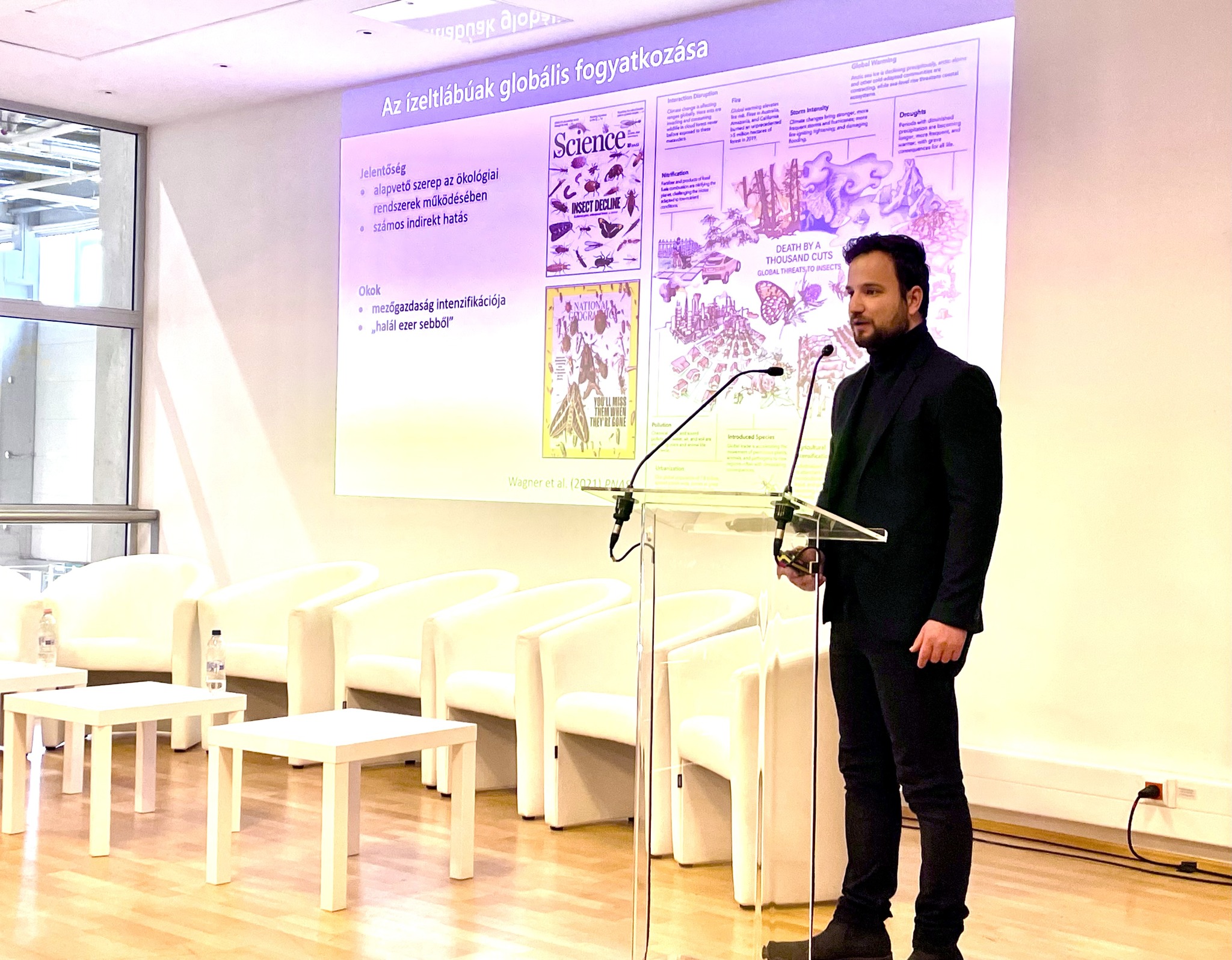
We held an invited talk at the conference on the necessity and methods of insect-friendly grazing and also presented our project and its results so far.
We would like to thank the organizers and participants for an inspiring professional day! See you again next year!

ANImashEXPO – professional meetings and valuable discussions

In January participated in a series of thematic conferences organized by the Hungarian Association for Precision Animal Husbandry at ANImashEXPO.
In our presentation, we introduced our project and insect-friendly grazing methods, then answered questions from interested parties in a roundtable discussion.
The small ruminant section was followed by numerous farmers, and we were delighted that many of them were interested in our work.
In addition, valuable professional consultations took place with other experts—livestock farmers and veterinarians—on the nature conservation aspects of ivermectin.
Thank you for your openness and inspiring conversations!

We wish you Happy Holidays!

As the year comes to a close, we would like to express our gratitude to everyone who has contributed to the project’s goals through their professional work, collaboration, and support.

In 2025, we achieved numerous important results in restoring habitats crucial for insect and bird species, as well as promoting insect-friendly grazing practices.

The winter period is especially sensitive for many species. We kindly ask you to continue paying attention to the wildlife around us during the holidays – whether it’s leaving garden leaves, responsibly operating winter feeders, or protecting natural habitats.

We wish you a Merry Christmas and a New Year rich in biodiversity and professional success,

The LIFEforBUGSandBIRDS Project Team

We didn’t idle during the fall semester either!

Over the past two months, we attended five events to promote the project and insect-friendly grazing methods among farmers.

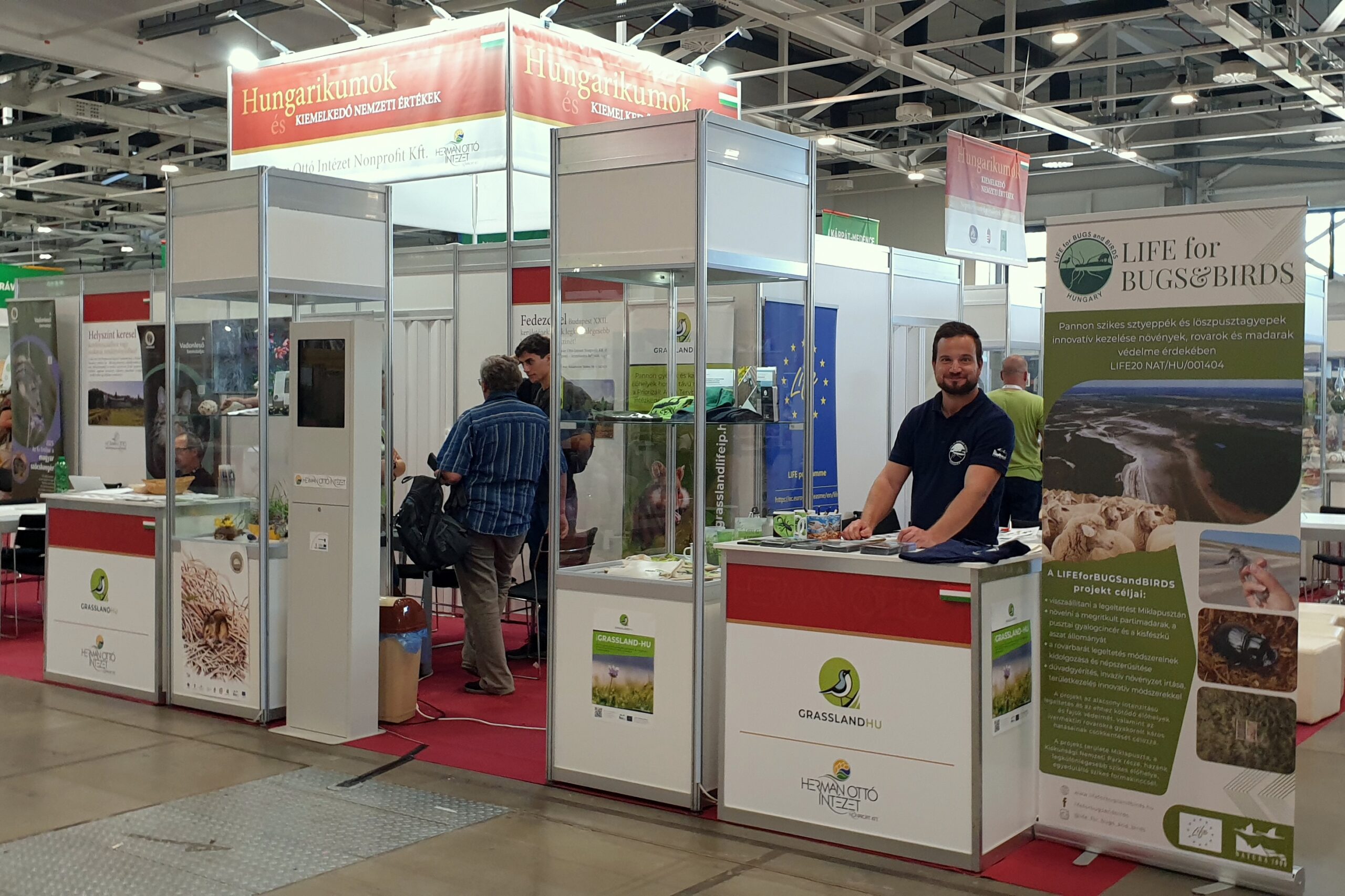
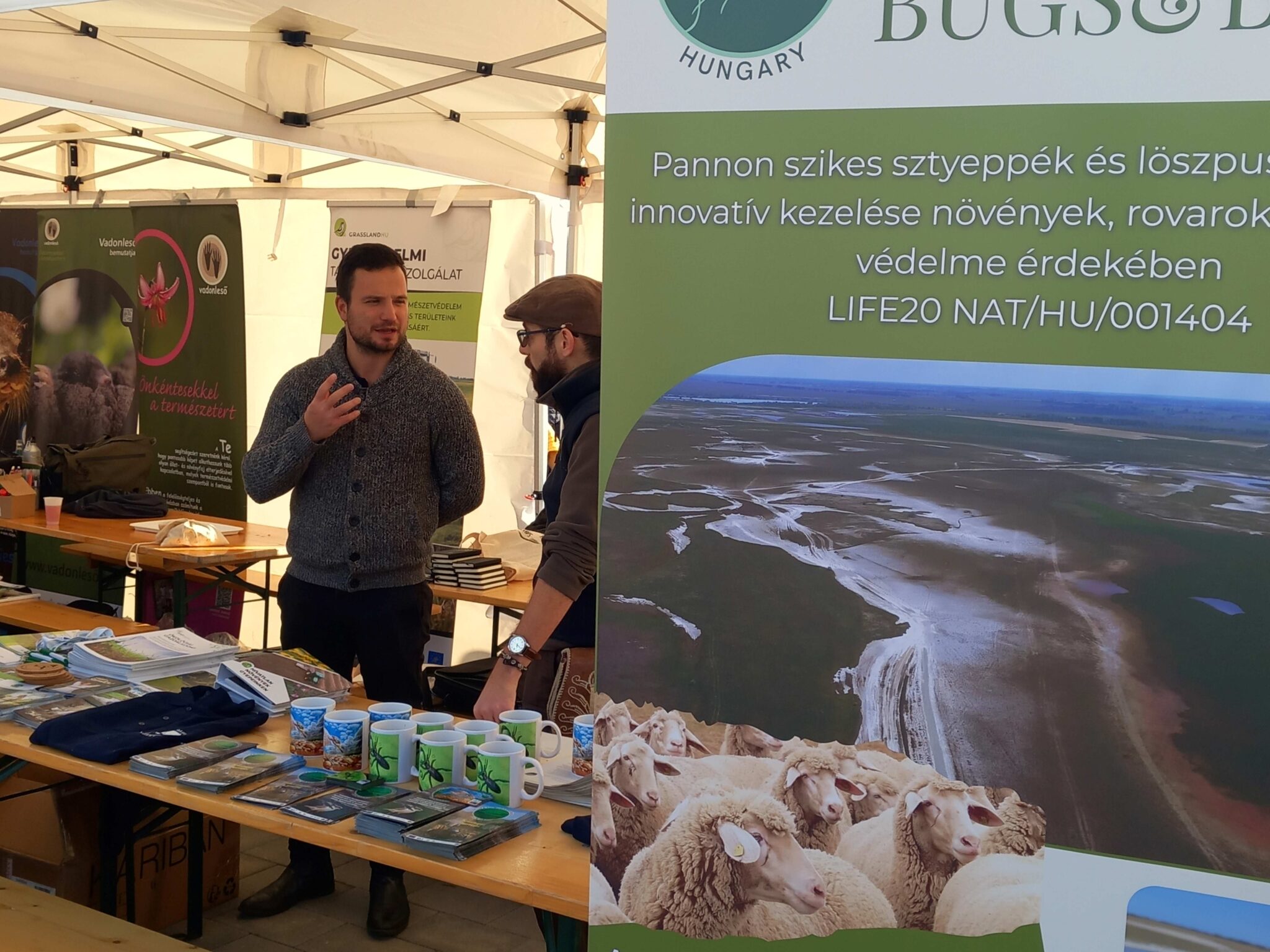
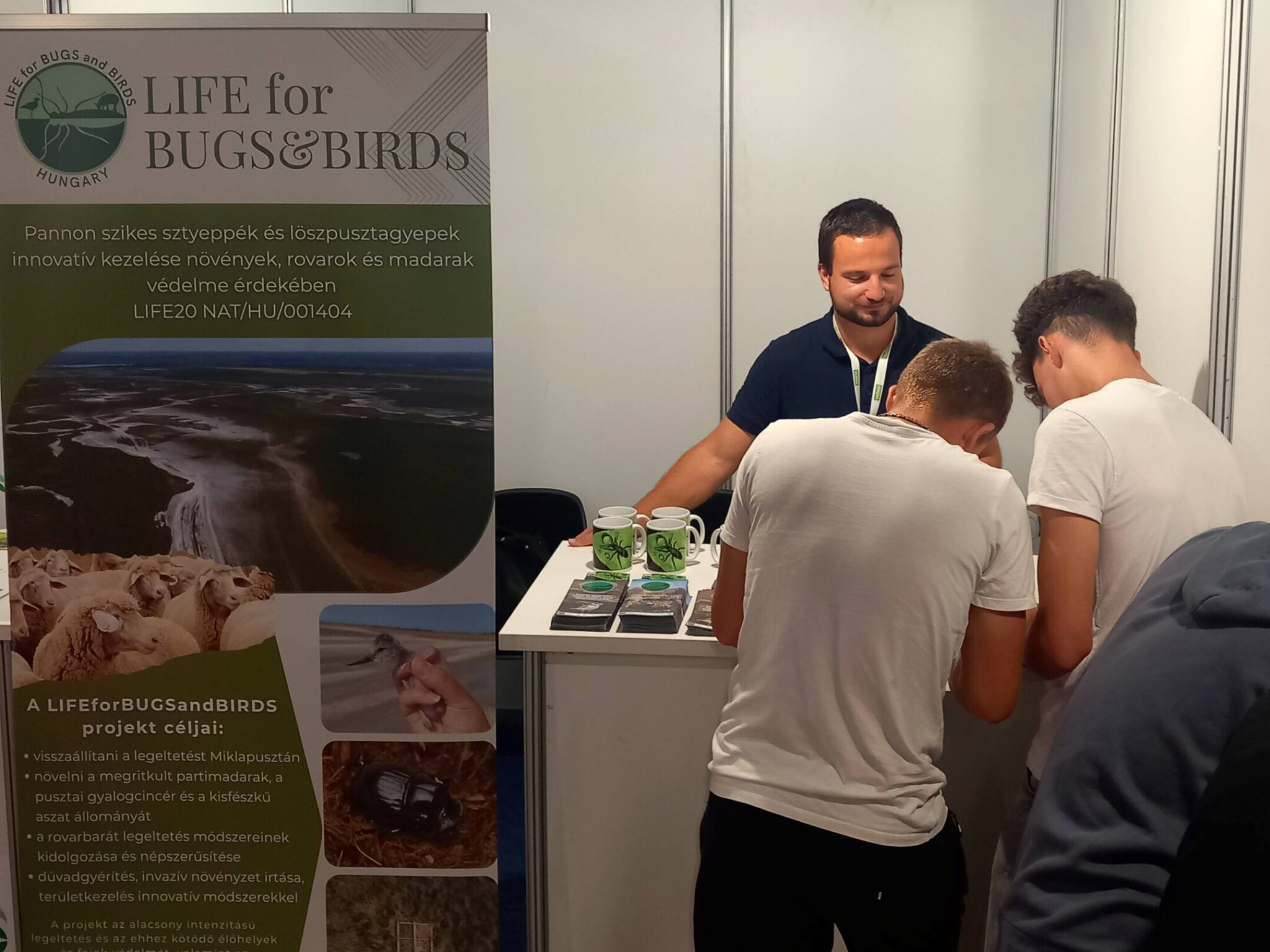
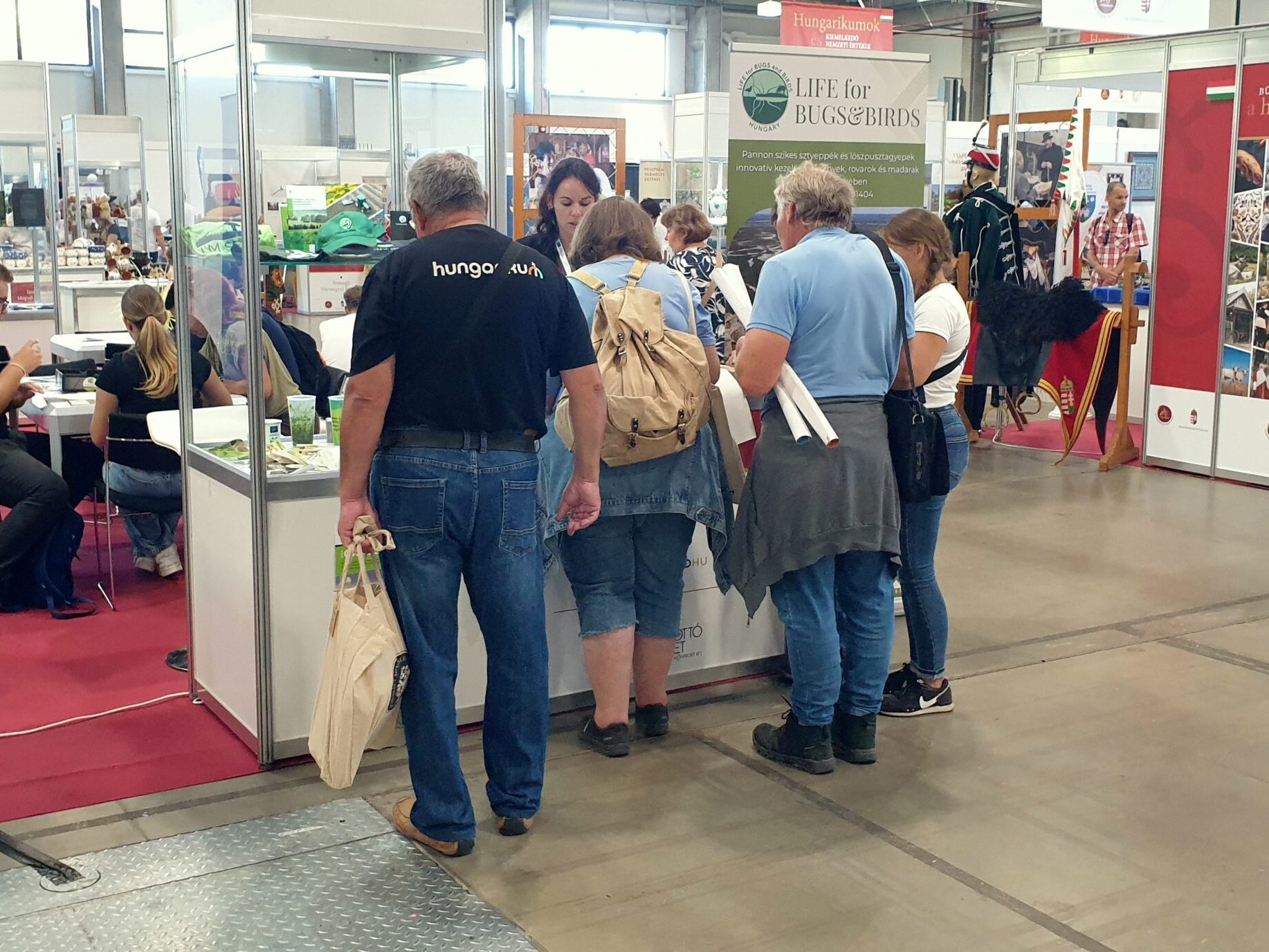
In September, we participated in the ÖKO Expo Exhibition organized by the Hungarian Chamber of Agriculture in Debrecen, the 29th National Herders’ Competition, Shepherds’ Meeting and Shepherd’s Dance Competition in Hortobágy, and the National Agricultural and Food Exhibitions (OMÉK) in Budapest.

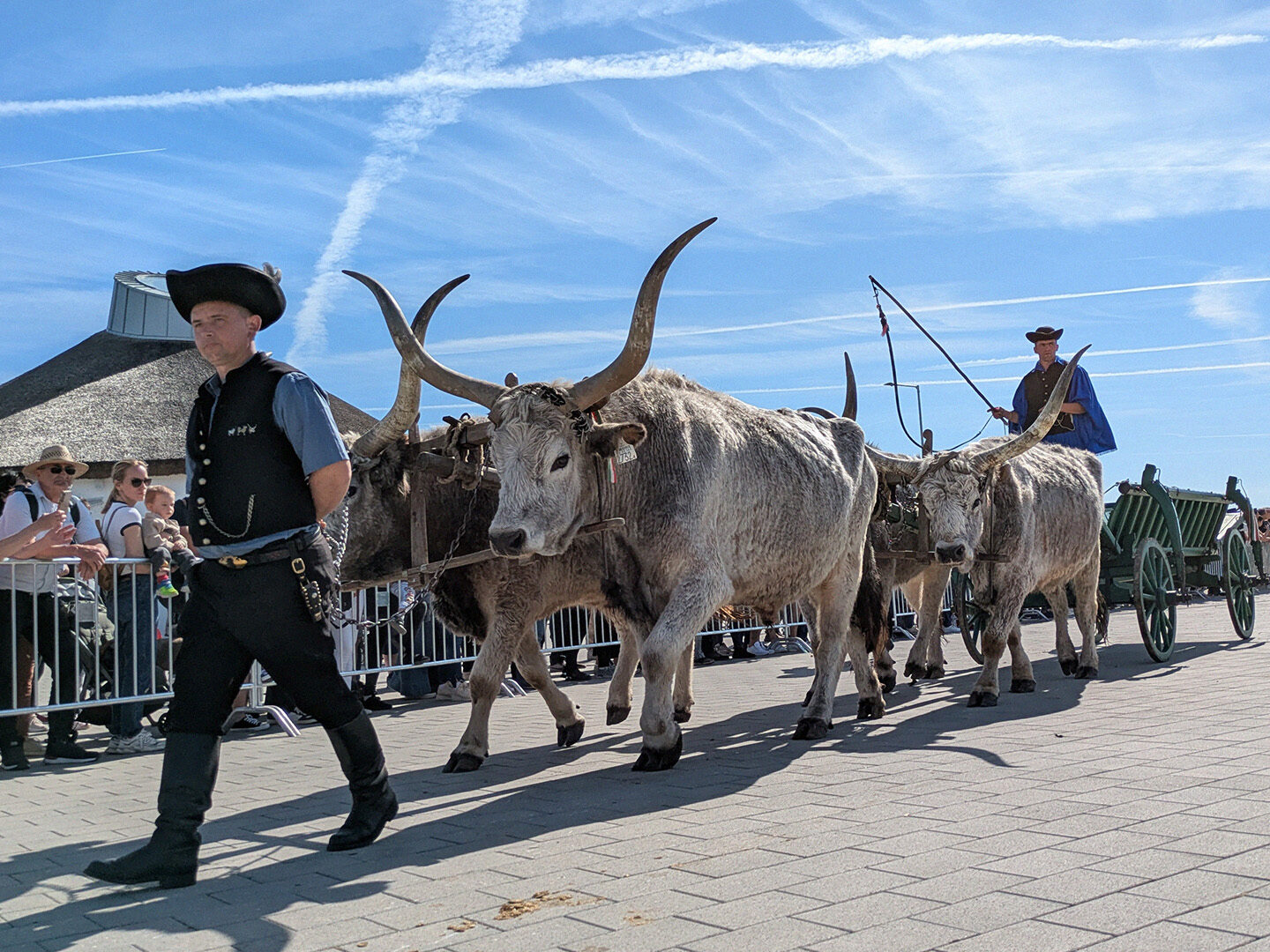
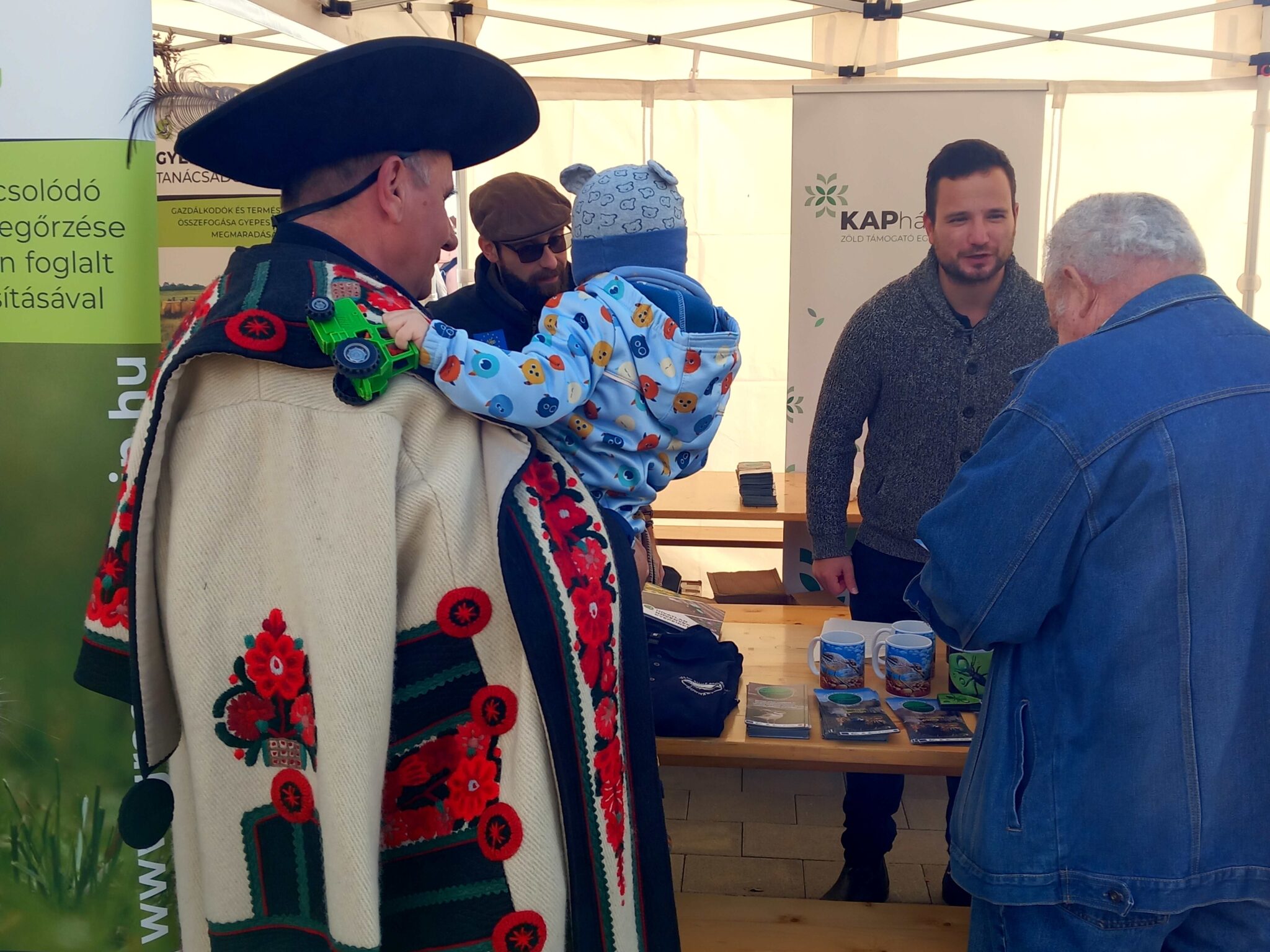
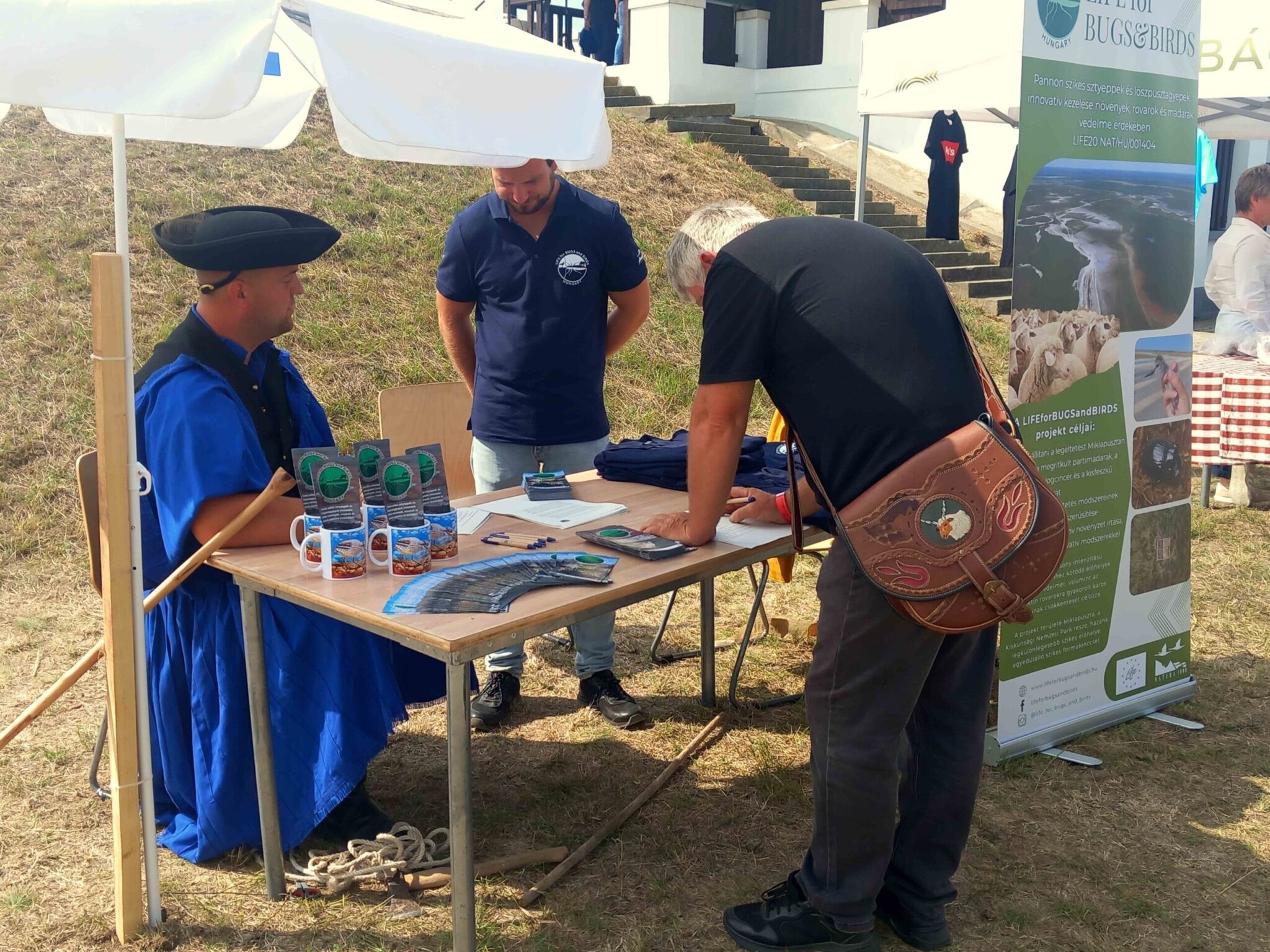
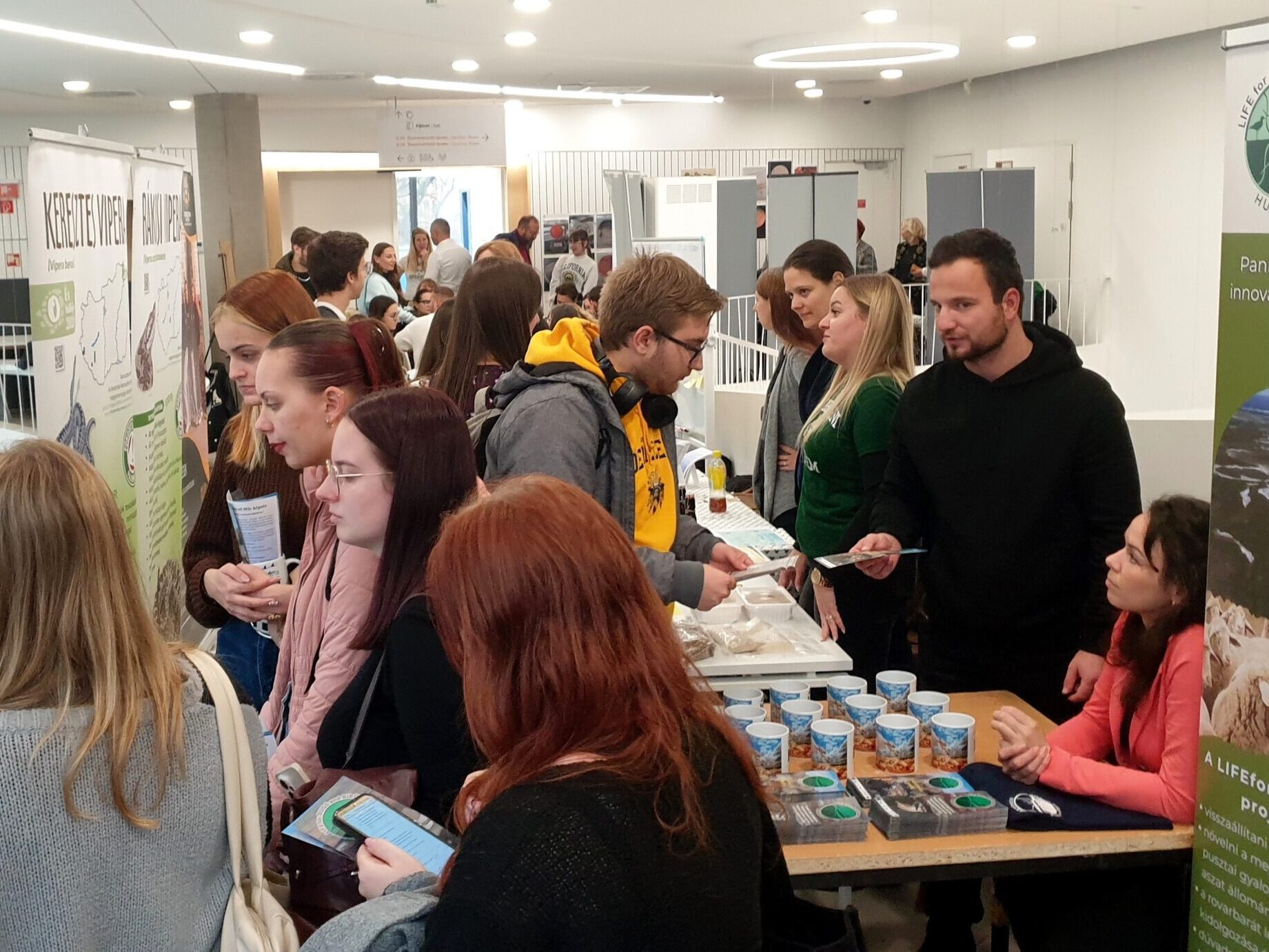
In October, interested parties could learn about our project at the Hortobágy St. Dömötör’s Day Drive-In Celebration, Crane Festival and Craft Fair, and in November at the University of Debrecen’s One Health Day event.

At these events, we consulted with more than 100 farmers and informed them about the harmful effects of ivermectin-based anti-worm veterinary drugs on nature and ways to avoid them.


Our project’s Fourth Annual Meeting was successfully completed!

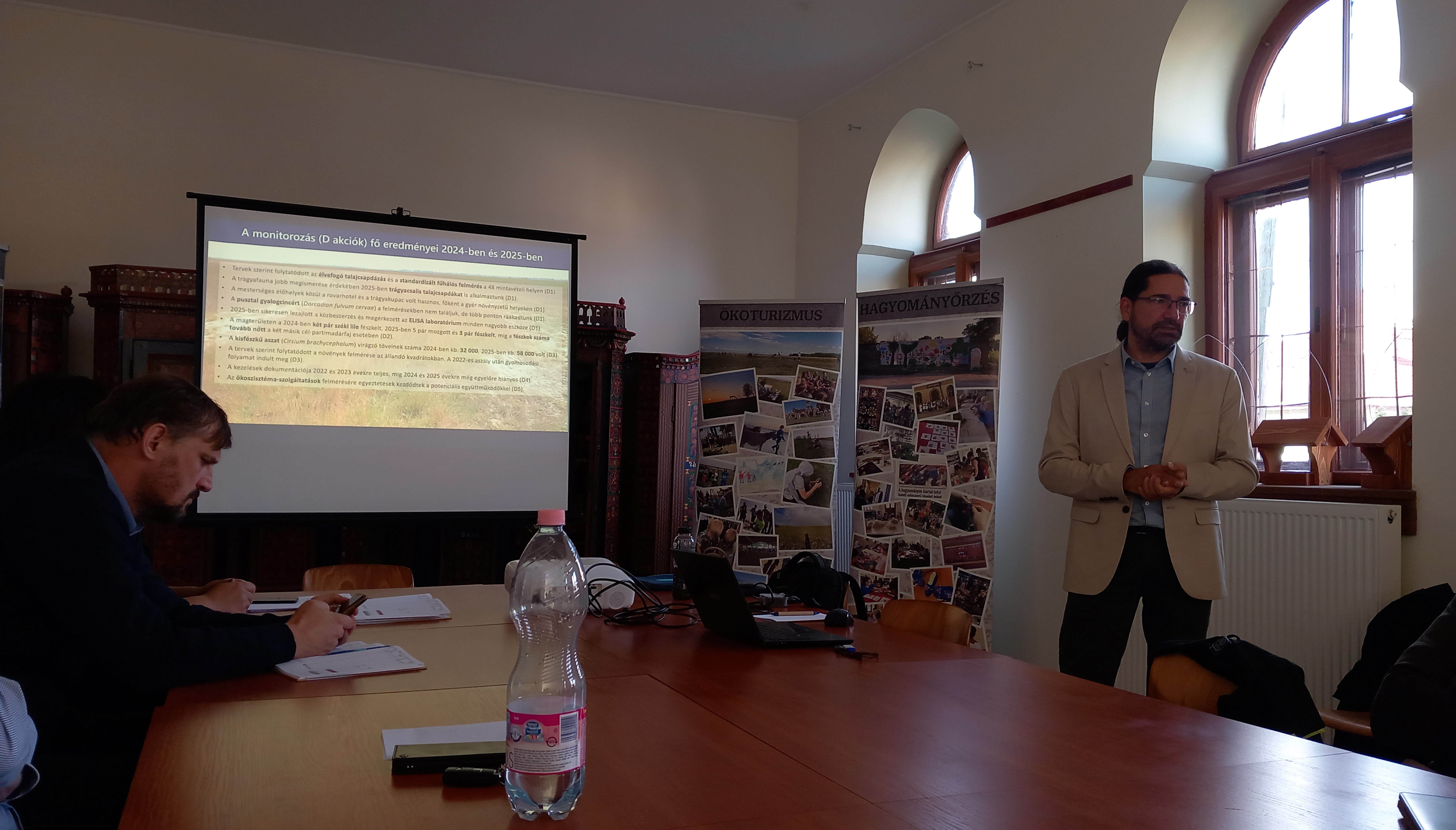
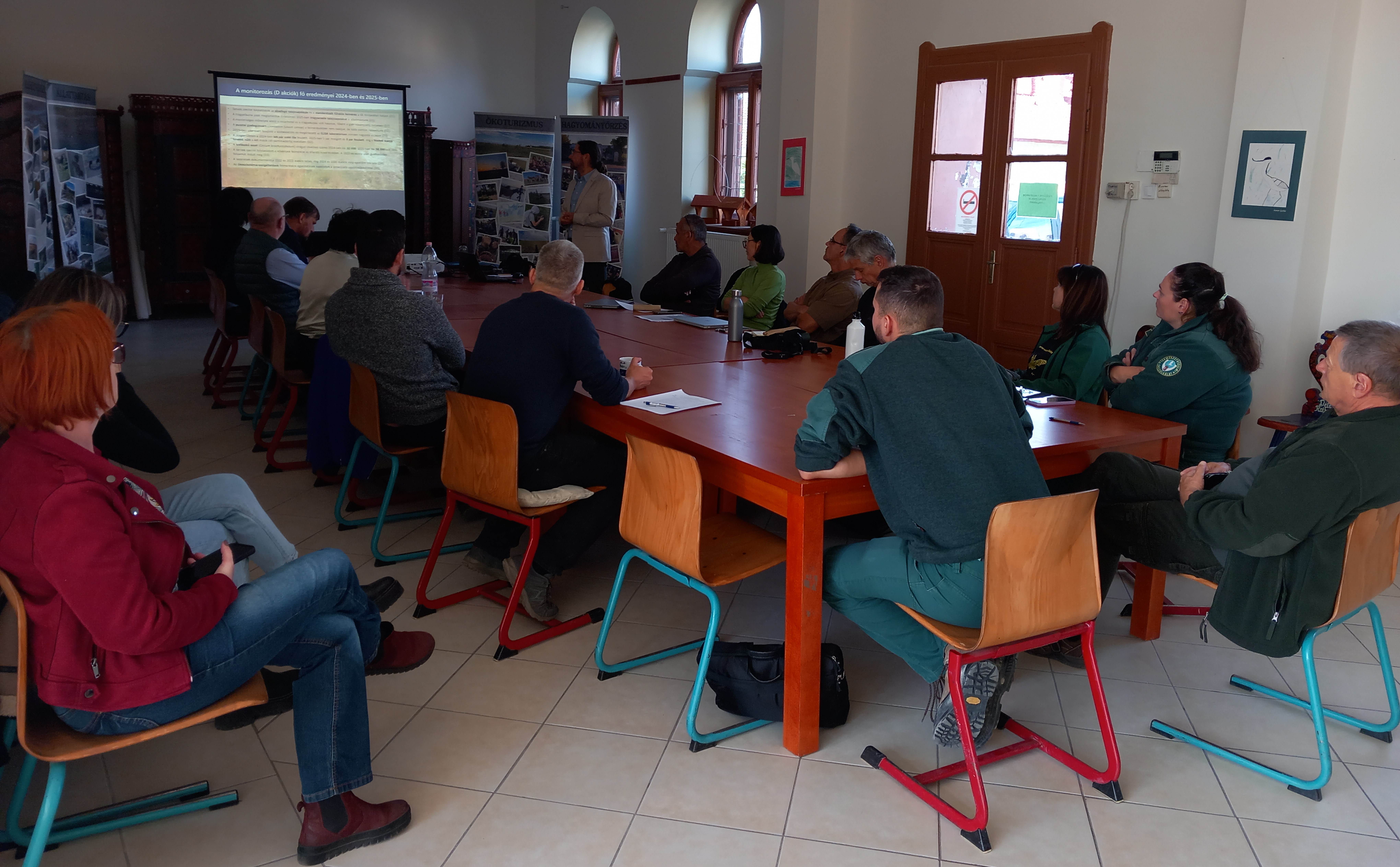
At the end of October, we held our open Advisory Board meeting and the Steering Committee meeting, along with the related field activities. Together with our partners, we reviewed the results achieved so far, discussed the areas that require further development, and coordinated the tasks planned for the upcoming period.

We thank everyone in attendance for their participation and active contribution!

The Eurasian Stone-curlew in the grassland

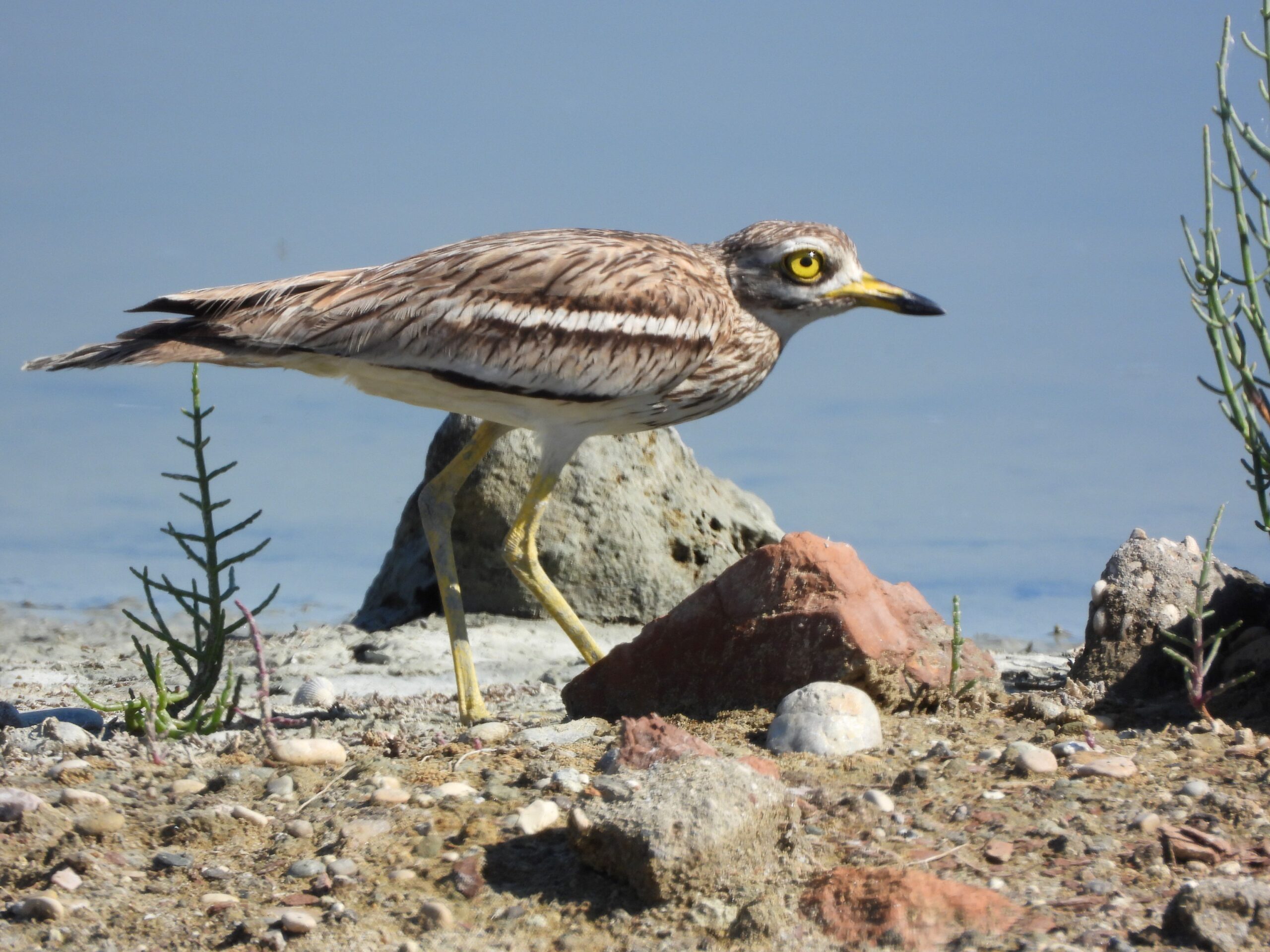
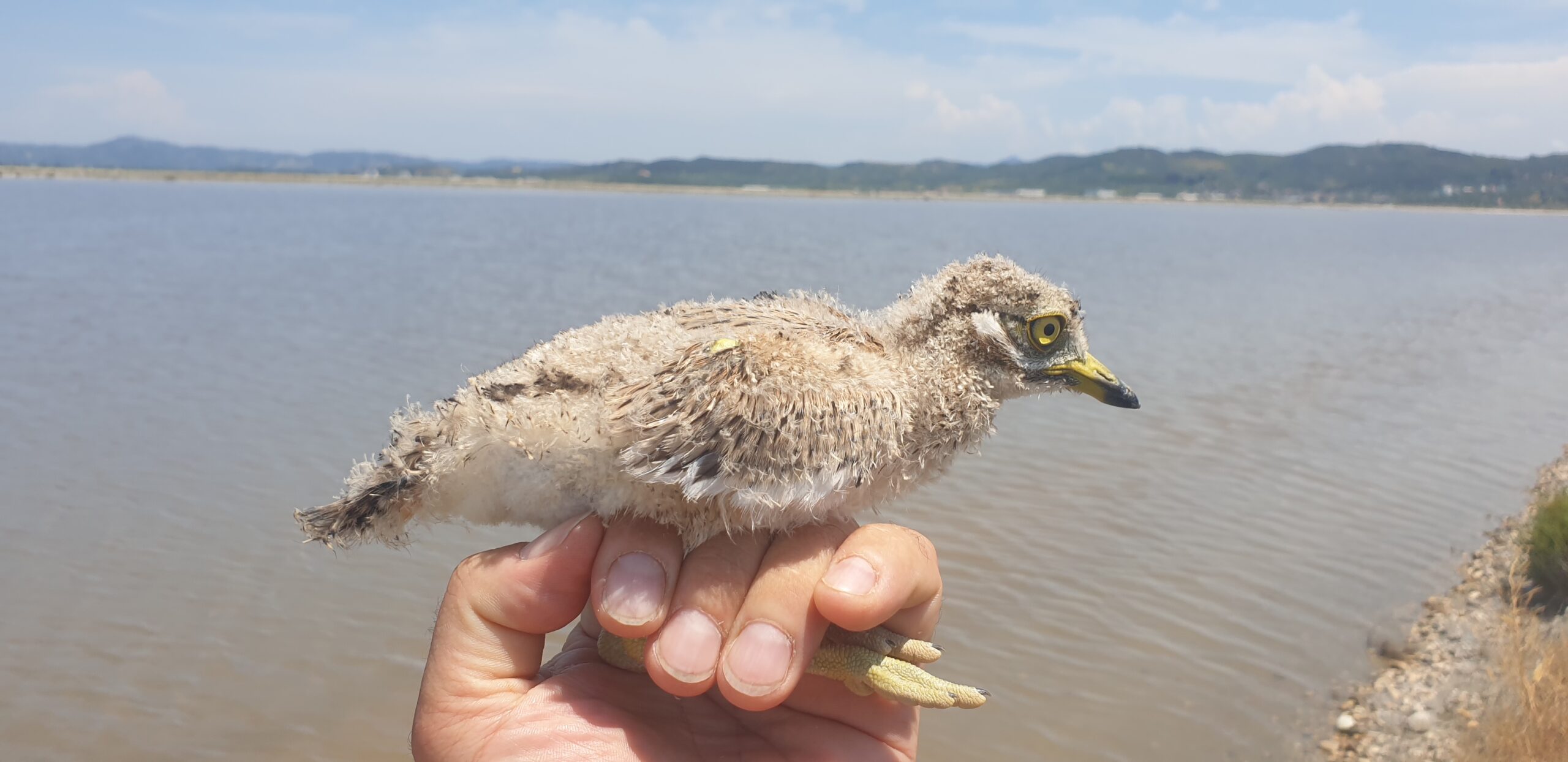
The Eurasian Stone-curlew (Burhinus oedicnemus) used to be a typical bird of the Hungarian steppes, but its population has collapsed recently. In the 1990s, there were 20-30 pairs breeding in Miklapuszta, but today they have disappeared from the area and have not yet returned despite livestock grazing and other habitat management actions in the project. The Hungarian population is currently estimated at a maximum of 50 pairs. The species particularly prefers barren, dry, grazed areas. Its nest is a depression in the ground. Both the old birds and chicks have camouflage plumage and blend in well with their surroundings. The species is highly protected in Hungary, with a conservation value of 500,000 HUF.
Eurasian Stone-curlew nestling (Photo: Szabolcs Lengyel)

Hungarian Sea Lavender blooms in Mikla-puszta

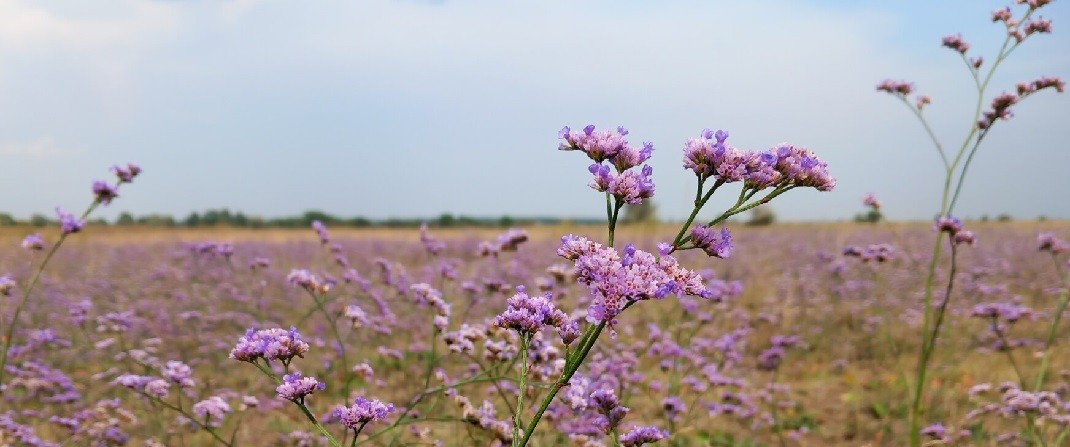
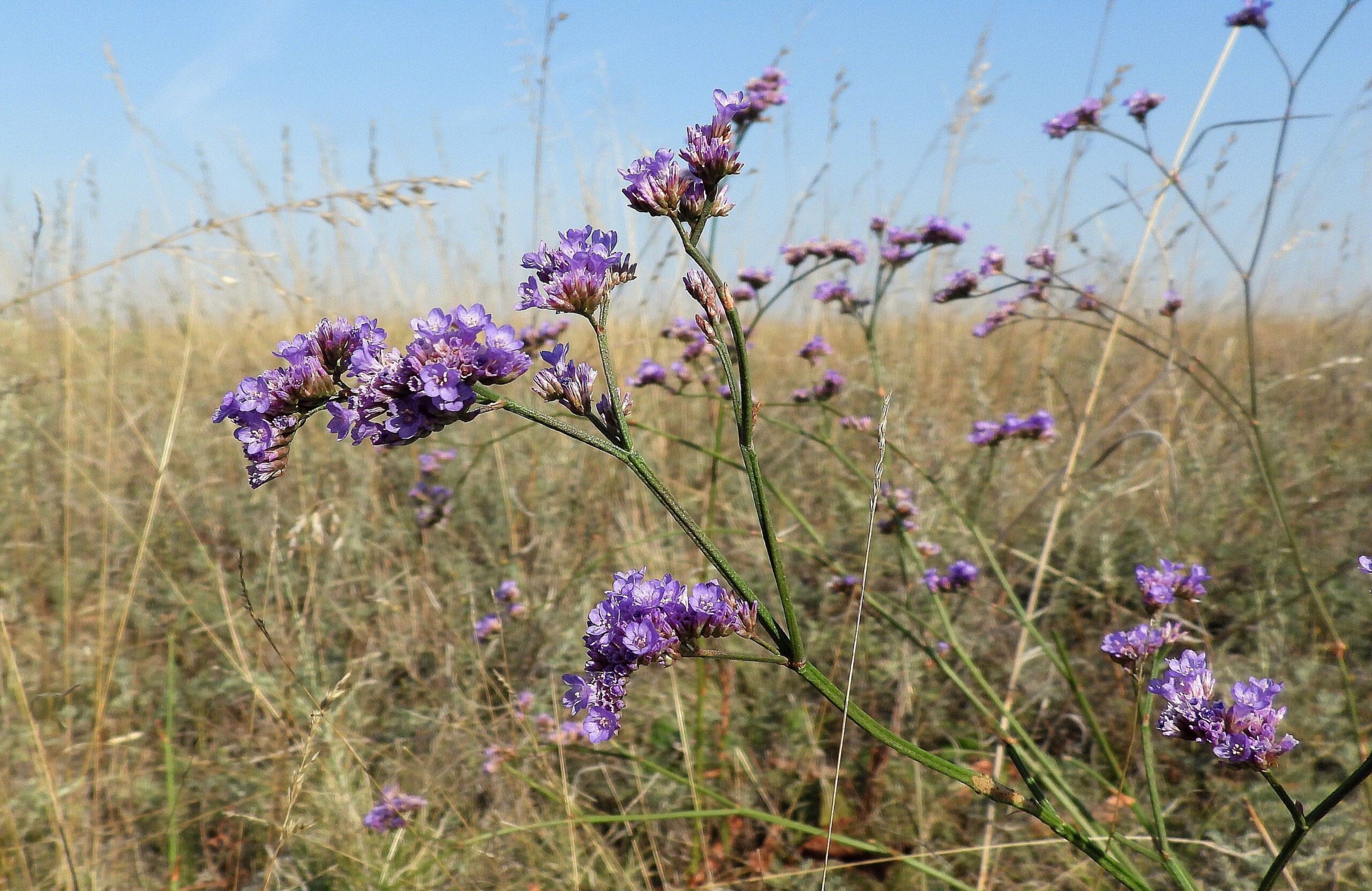
Hungarian Sea Lavender (Limonium gmelinii ssp. hungarica) might be a heraldic plant of Hungarian salt marshes, one of the most characteristic perennial flowering plants of the plains east of the Tisza, capable of turning the entire steppe purple in late summer.

It  is a native plant of steppes and alkali grasslands located at the Carpathian Basin. The plant  belongs to the family Plumbaginaceae found in the order Caryophyllaceae . Itstarts to fluorish in July, but flowering is the most intense in the second half of August and lasts for weeks.

Hungraian Sea Laveneder is considered to be a common species of the Hungarian salt steppes, especially in the Tiszántúl region. In many places, it can be found on the sides of flood protection embankments. As many salt-tolerant species have recently begun to spread along roadsides due to road salting, Hungarian Sea Lavender can also be found alongside with highways or in the parking lots of large stores in urban areas.

It is a salt-tolerant, resistant plant that is able to withstand extreme weather conditions and can sprouts even when precipitation is low. Sea Levender’s leathery leaves store water well, and its roots penetrate deep into the soil, protecting the plant from drying out in extremely dry habitats or weather conditions.

Although Hungarian Sea Lavender is not a protected plant, it must not be collected in nature reserves, just like any other plant!

Photo: Renáta Gál

The II. Biodiversity Conference was held in Hortobágy

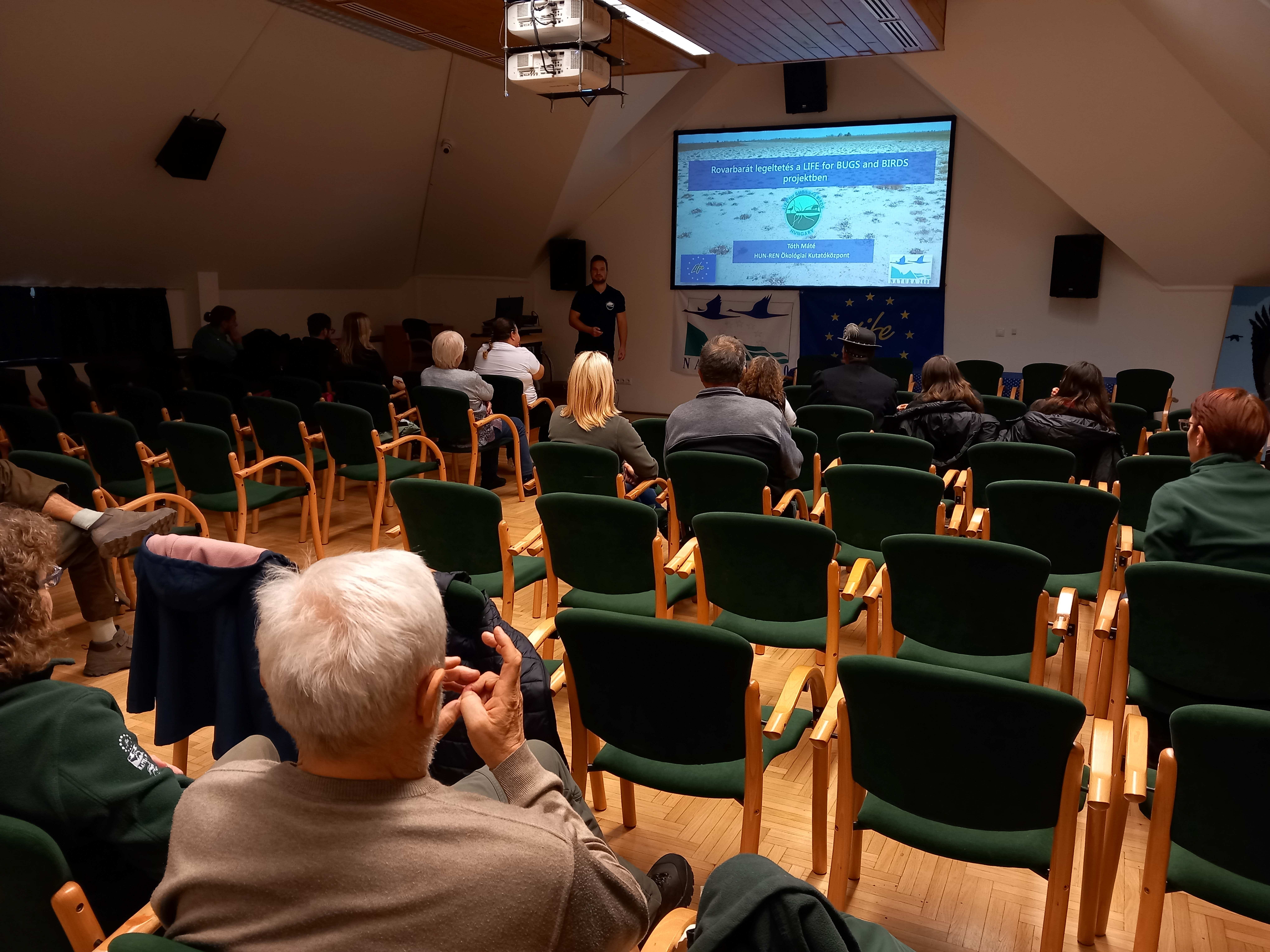
There was a huge interest in the 2nd Biodiversity Conference organised by the LIFEforBUGSandBIRDS project, the Biodiversity Centre of the University of Debrecen, the Faculty of Agricultural, Food Sciences and Environmental Management of the University of Debrecen and the Hortobágy National Park Directorate. The theme of the event was innovative conservation with animals, focusing on regenerative agriculture, grazing and rewilding. The conference was attended by representatives of the most prominent national conservation organisations as well as international experts. The two-day conference, which included presentations and field activities, had a great atmosphere, and provided a great opportunity for professional exchange and learning from each other’s work.

The venue was provided by the Visitor Centre of Hortobágy National Park. We thank all those present for their participation!

We participated in the Eastern European LIFE Projects Platform Meeting Conference

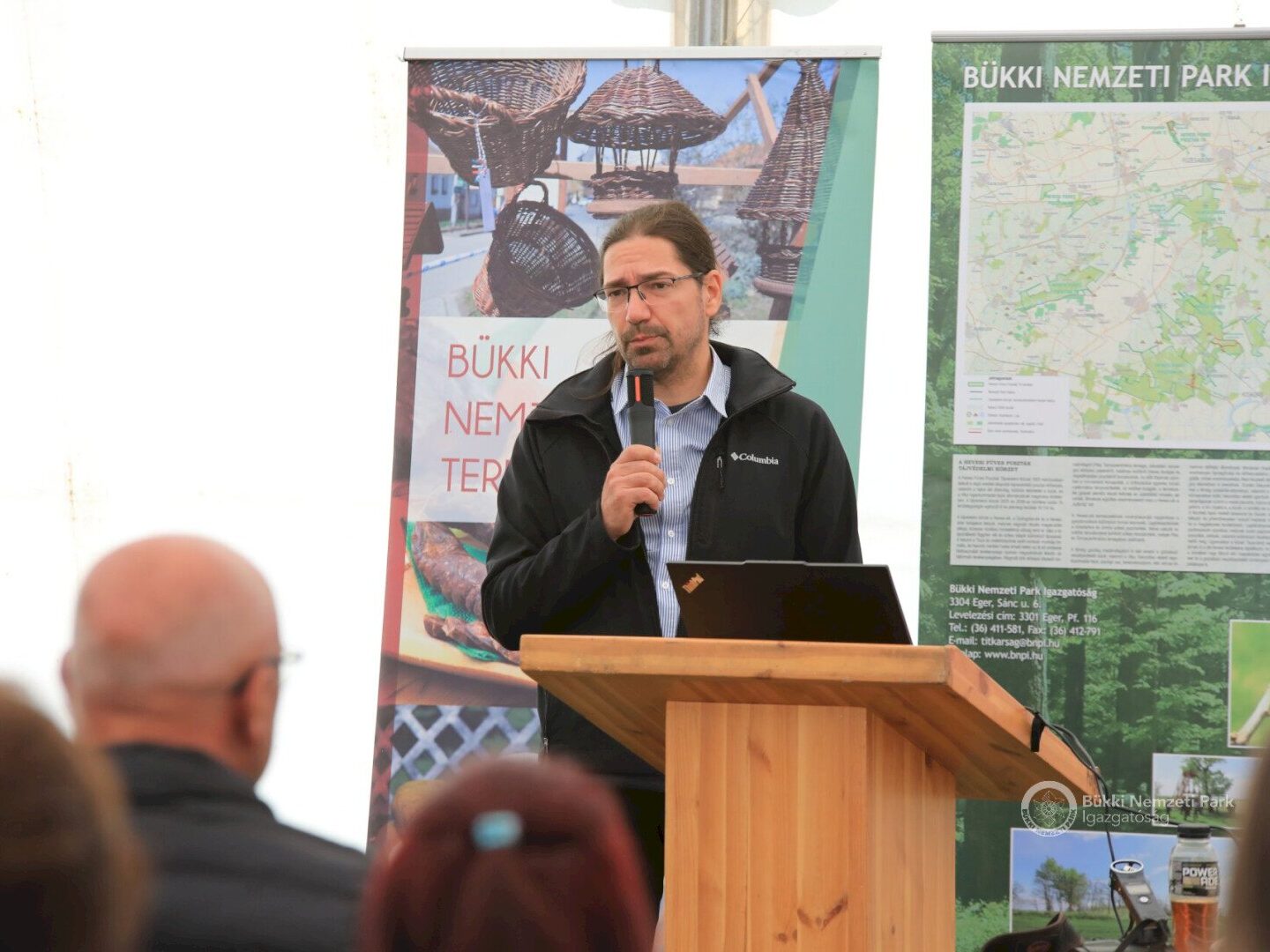
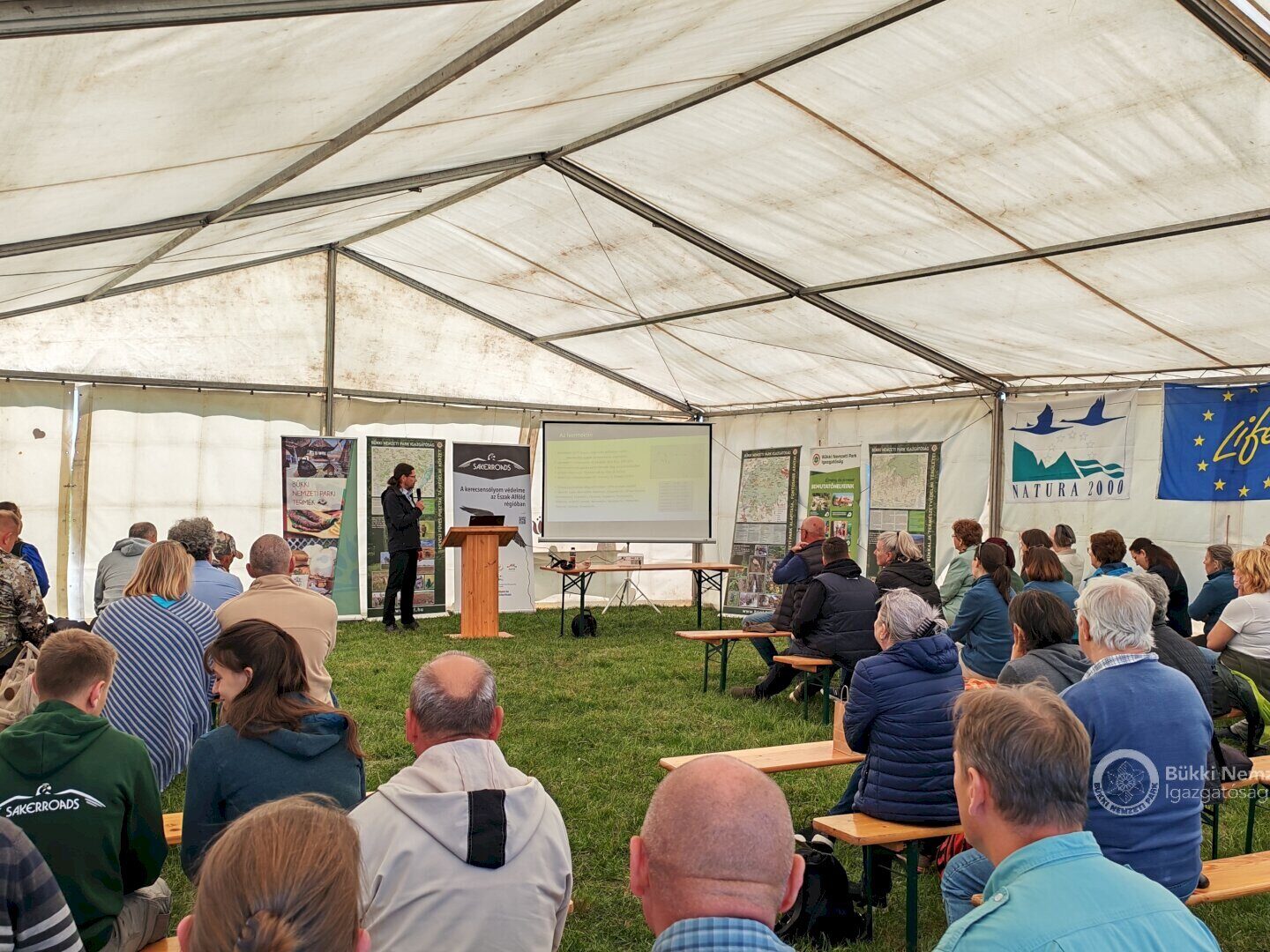
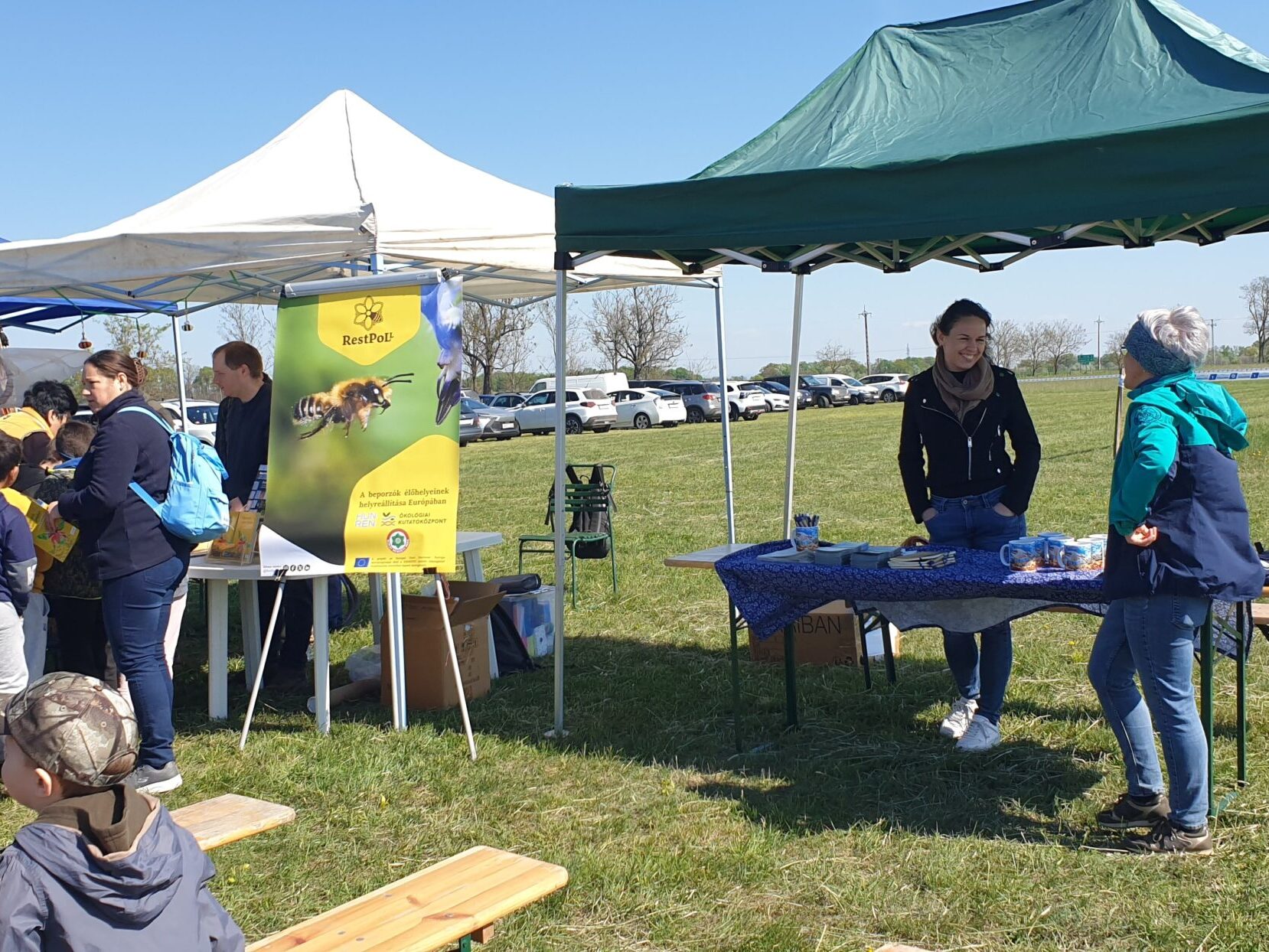
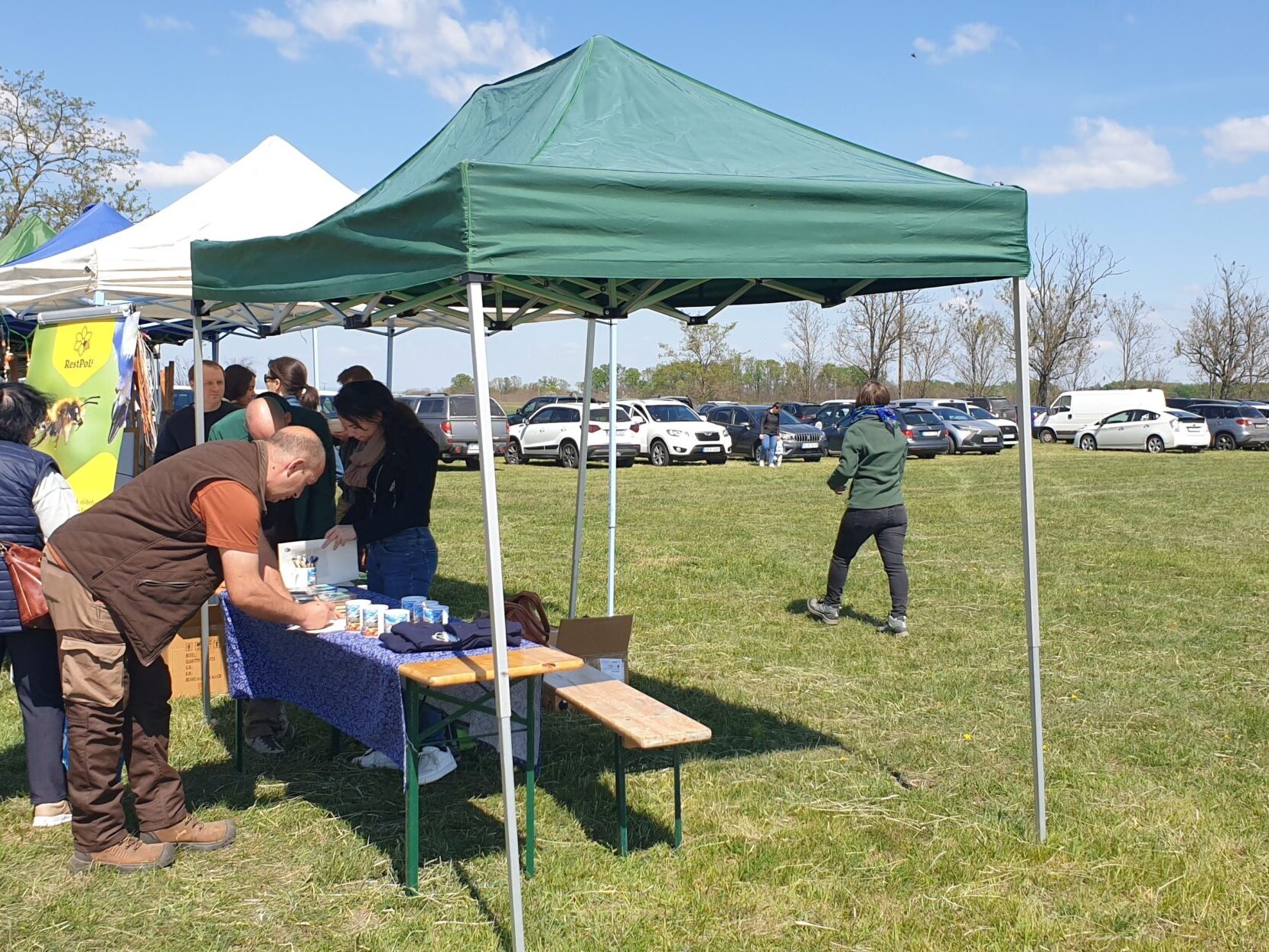
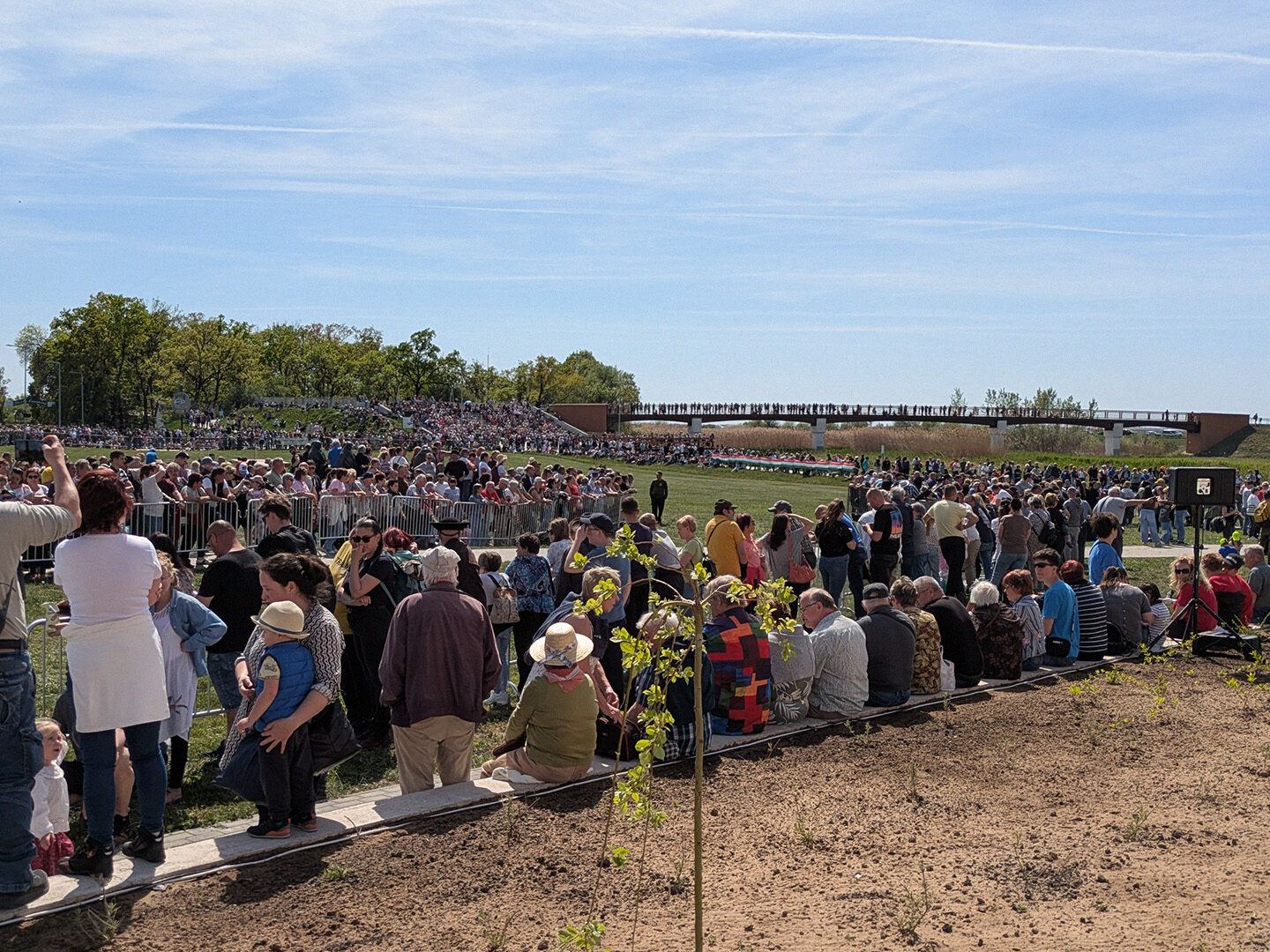
At the end of March, the LIFEforBUGSandBIRDS project also participated in the Central and Eastern European LIFE Projects Platform Meeting Conference (CEE InterLIFE-Hungary 2025) in Balmazújváros, where participants from several Central and Eastern European LIFE projects gathered to present their activities and share their professional experiences.

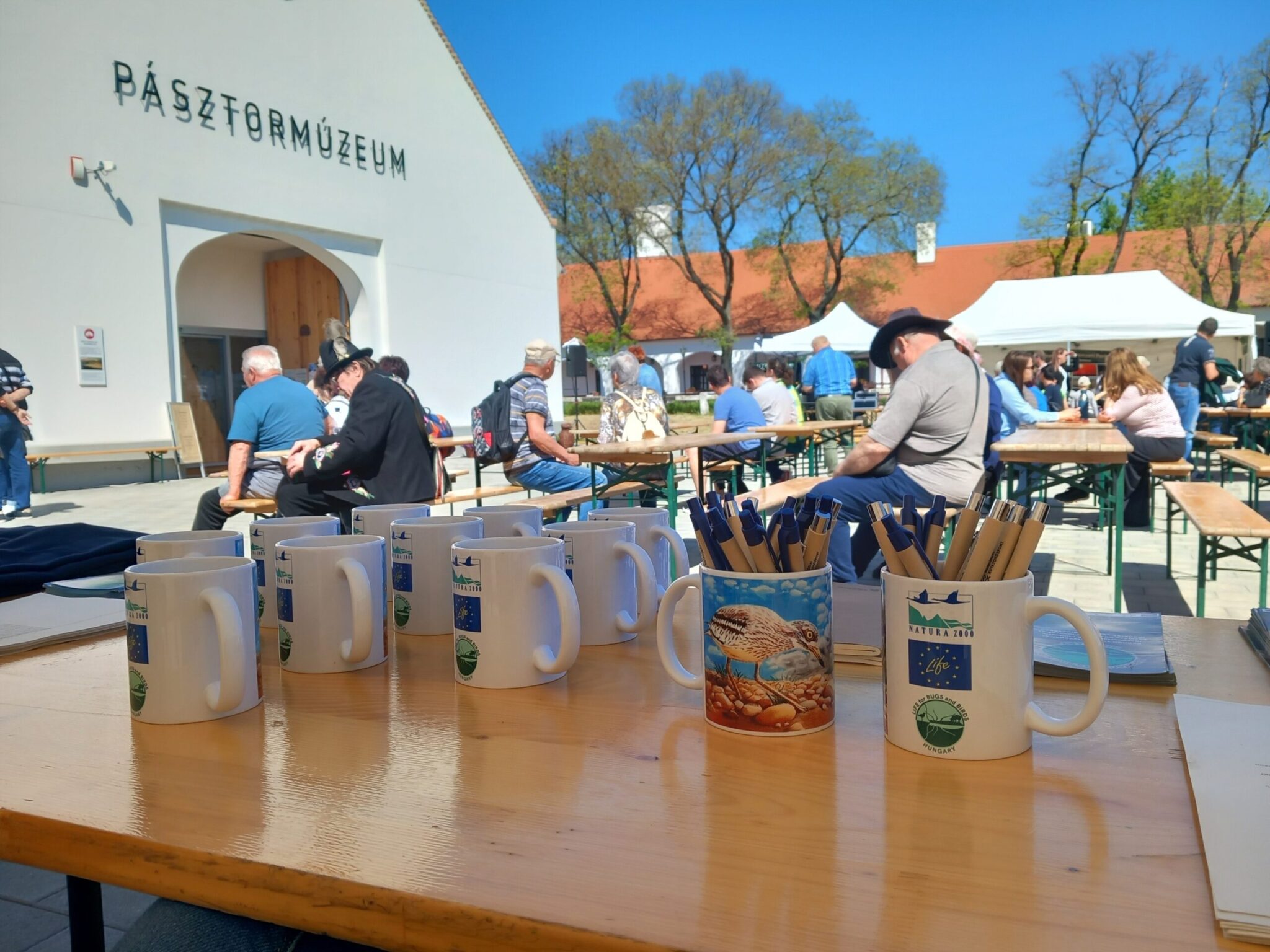
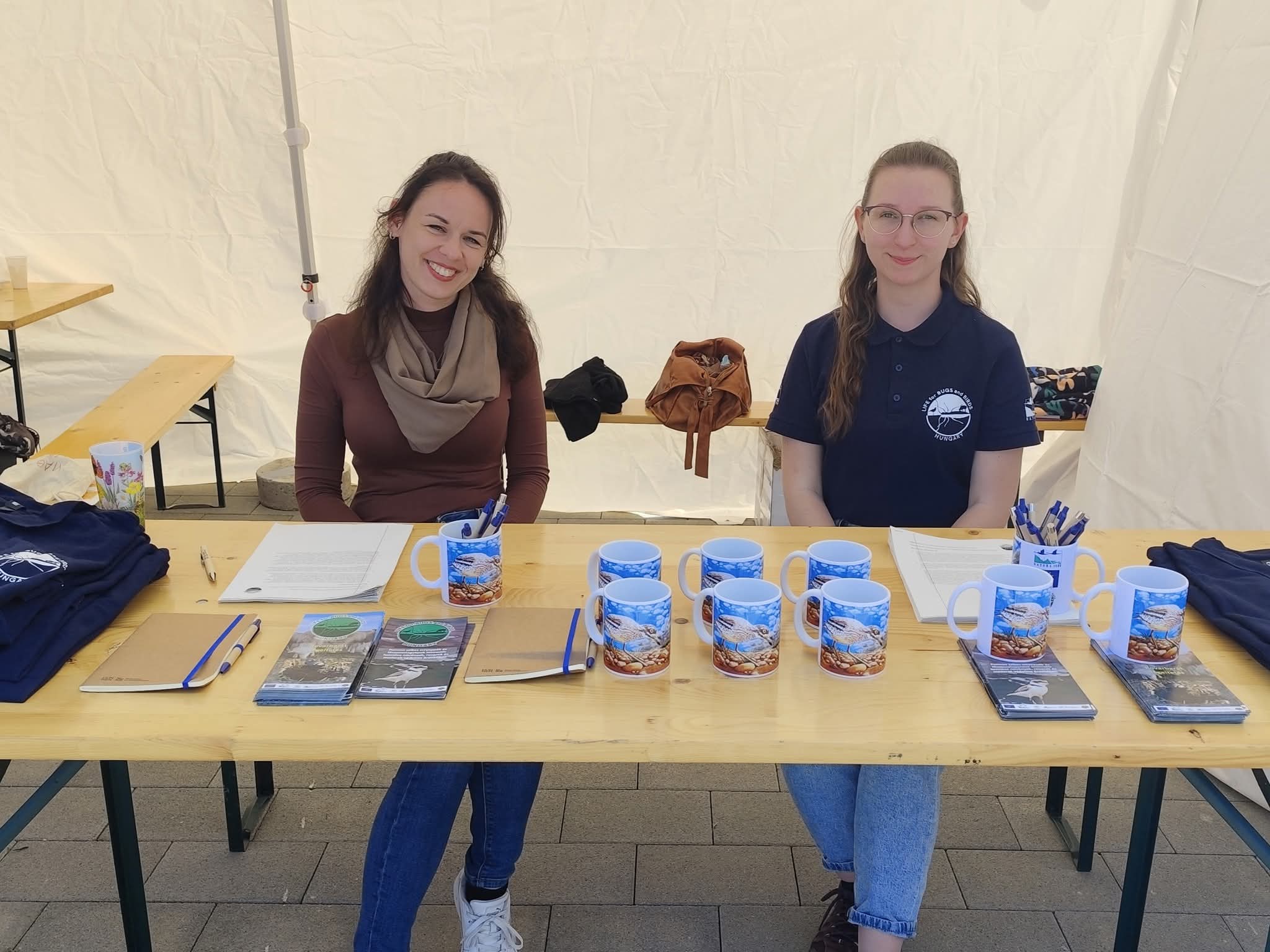
At the meeting, several promotional tools were presented and distributed among the participants and a presentation was given on the project in Miklapuszta.

Photos: Attila Szilágyi