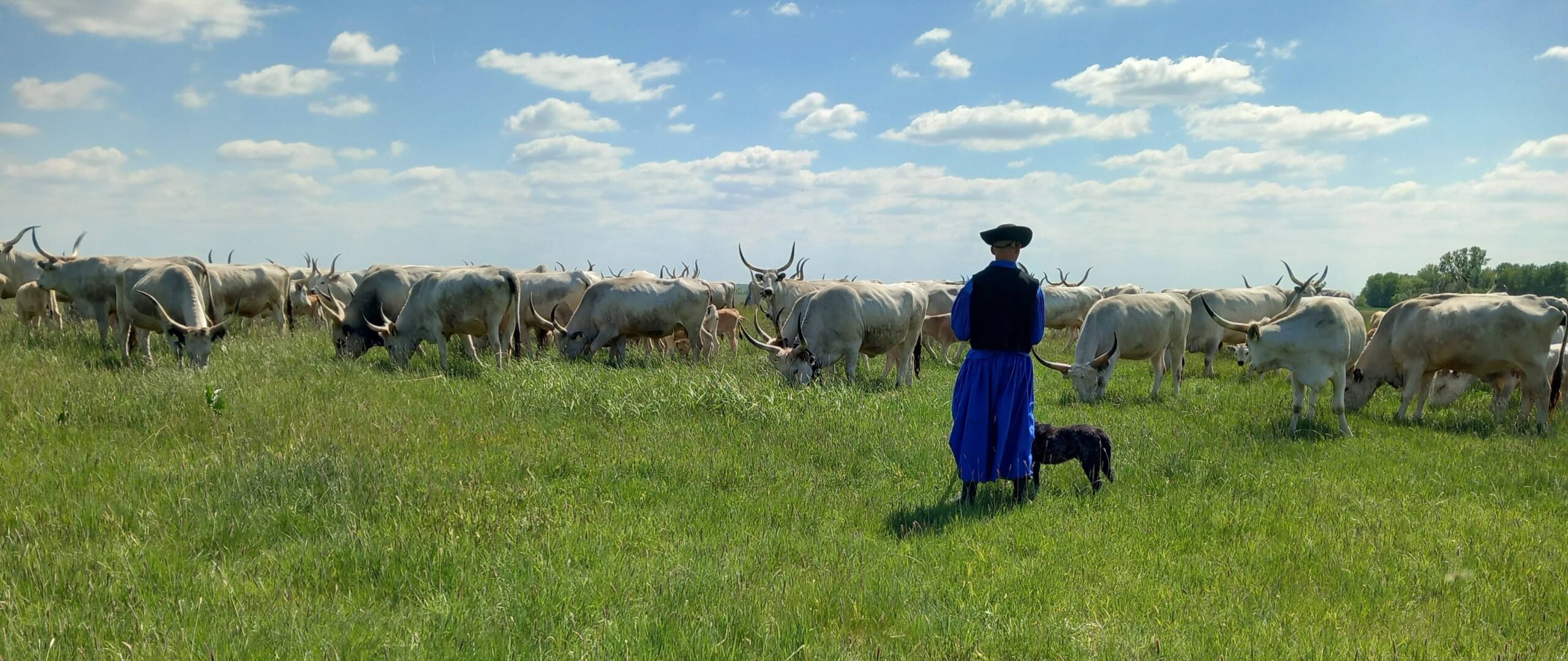
“On St. George’s Day, when the livestock is driven out, anyone can be a herdsman; but on St. Michael’s Day, when they are brought back in, only those who can account for them remain herdsmen” – as the old folk wisdom says.
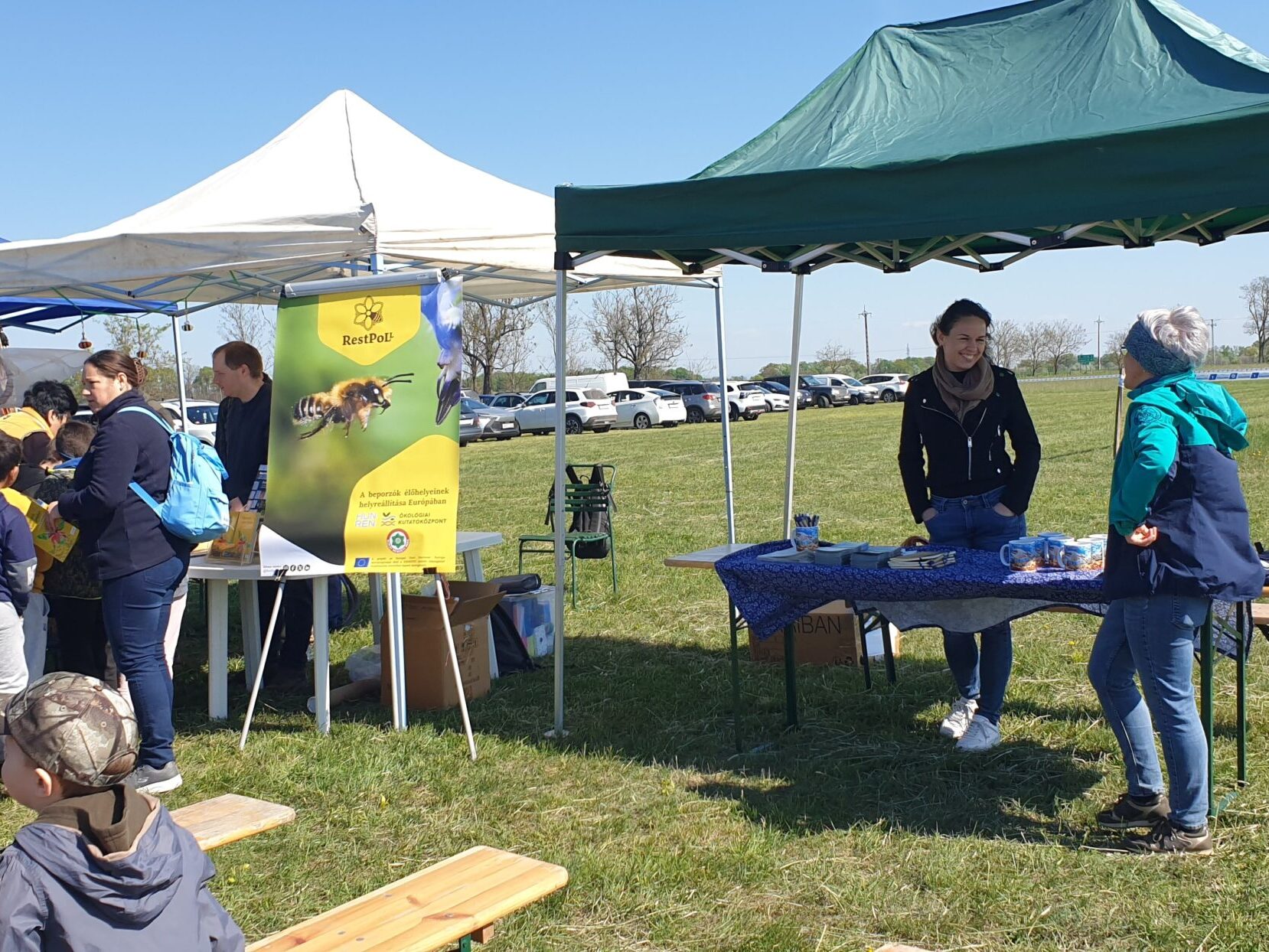
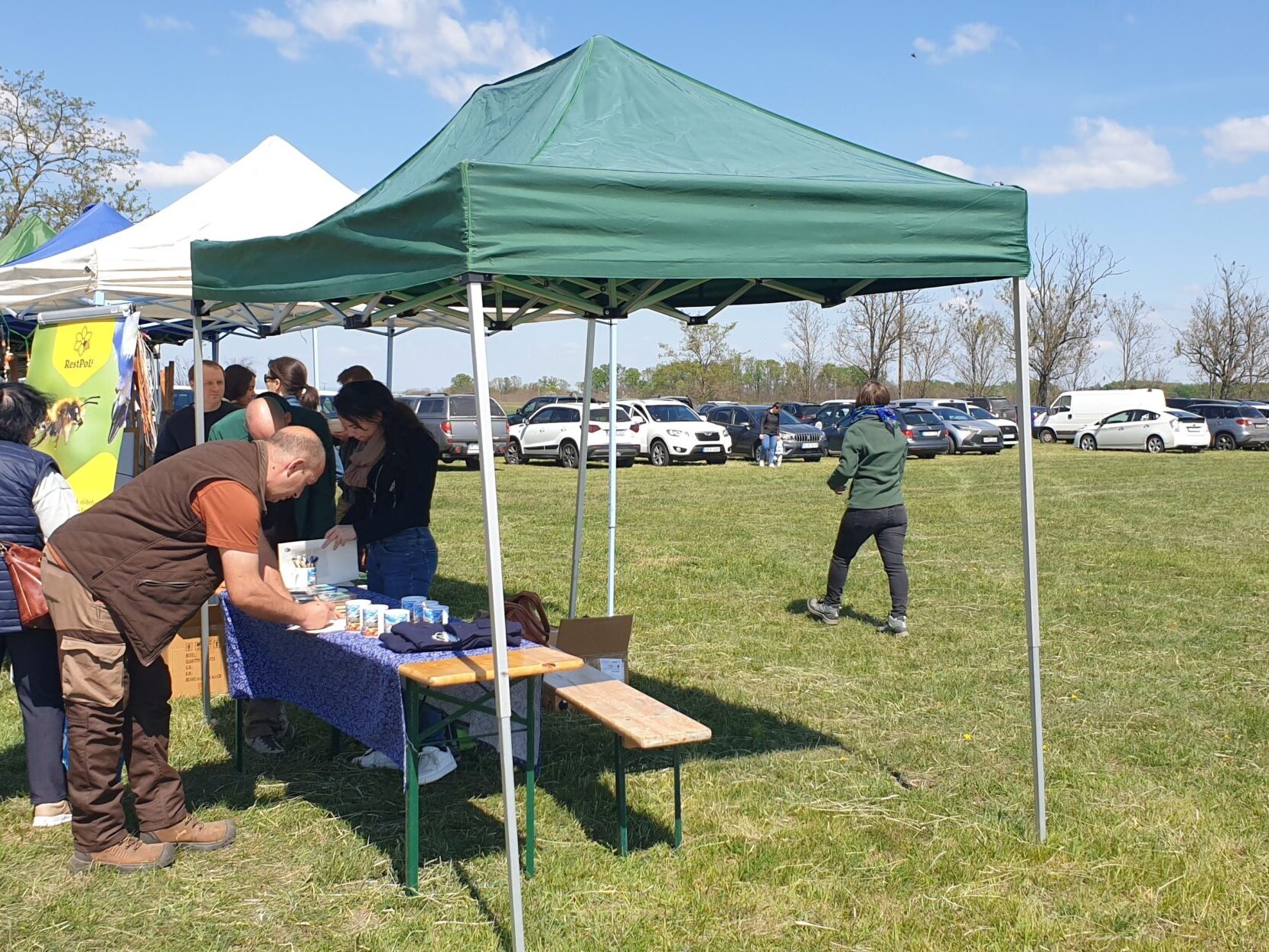
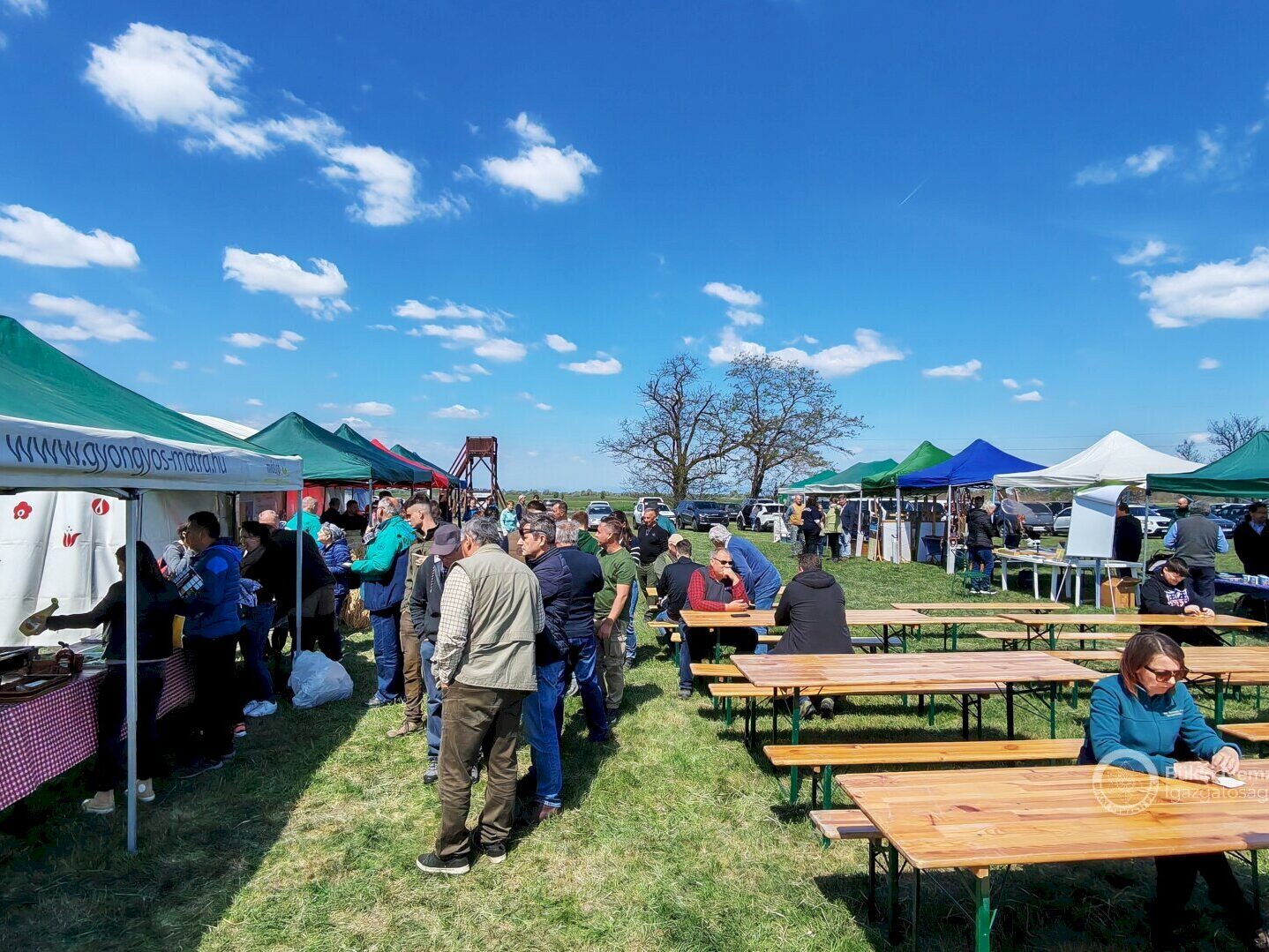
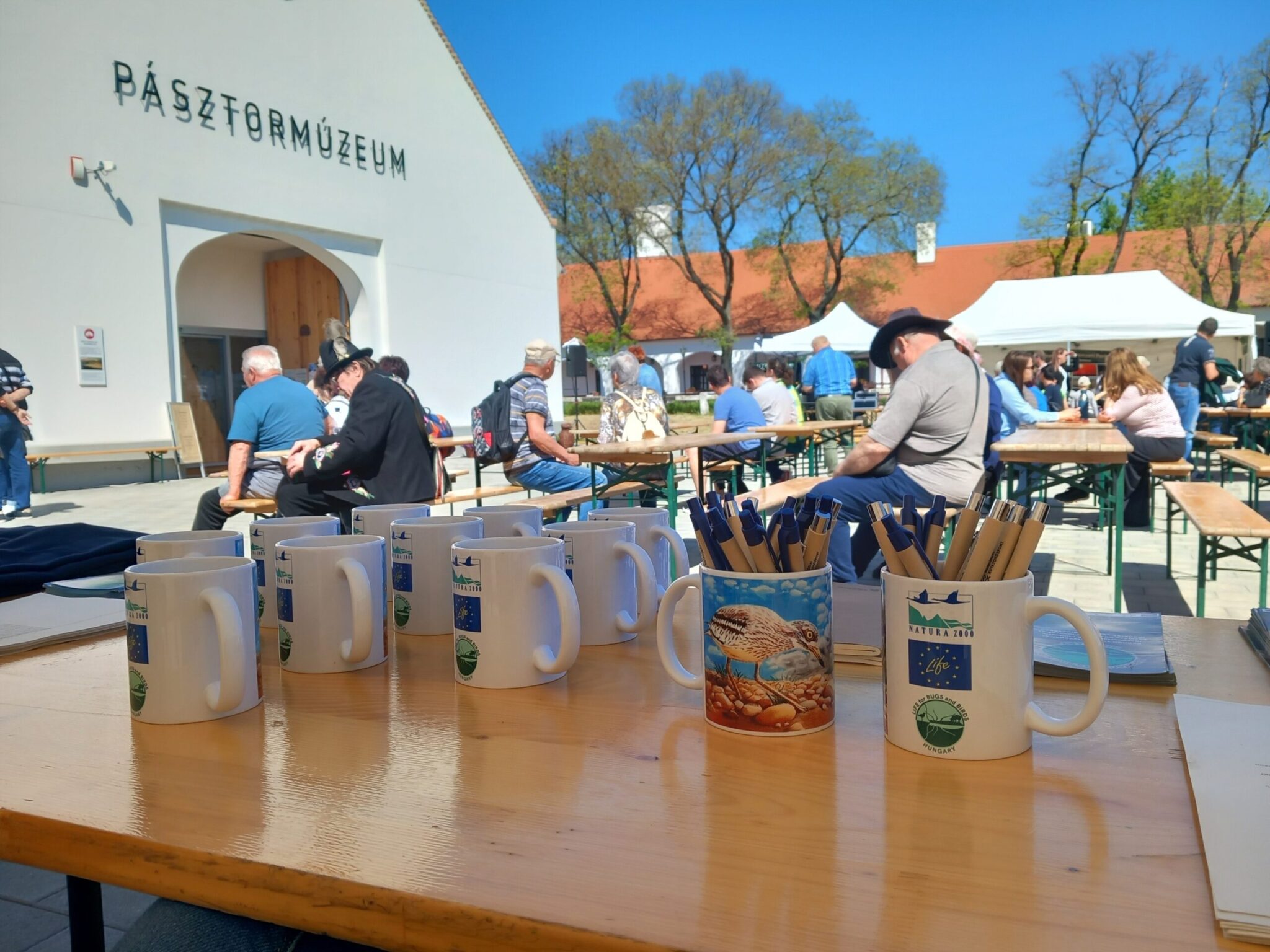
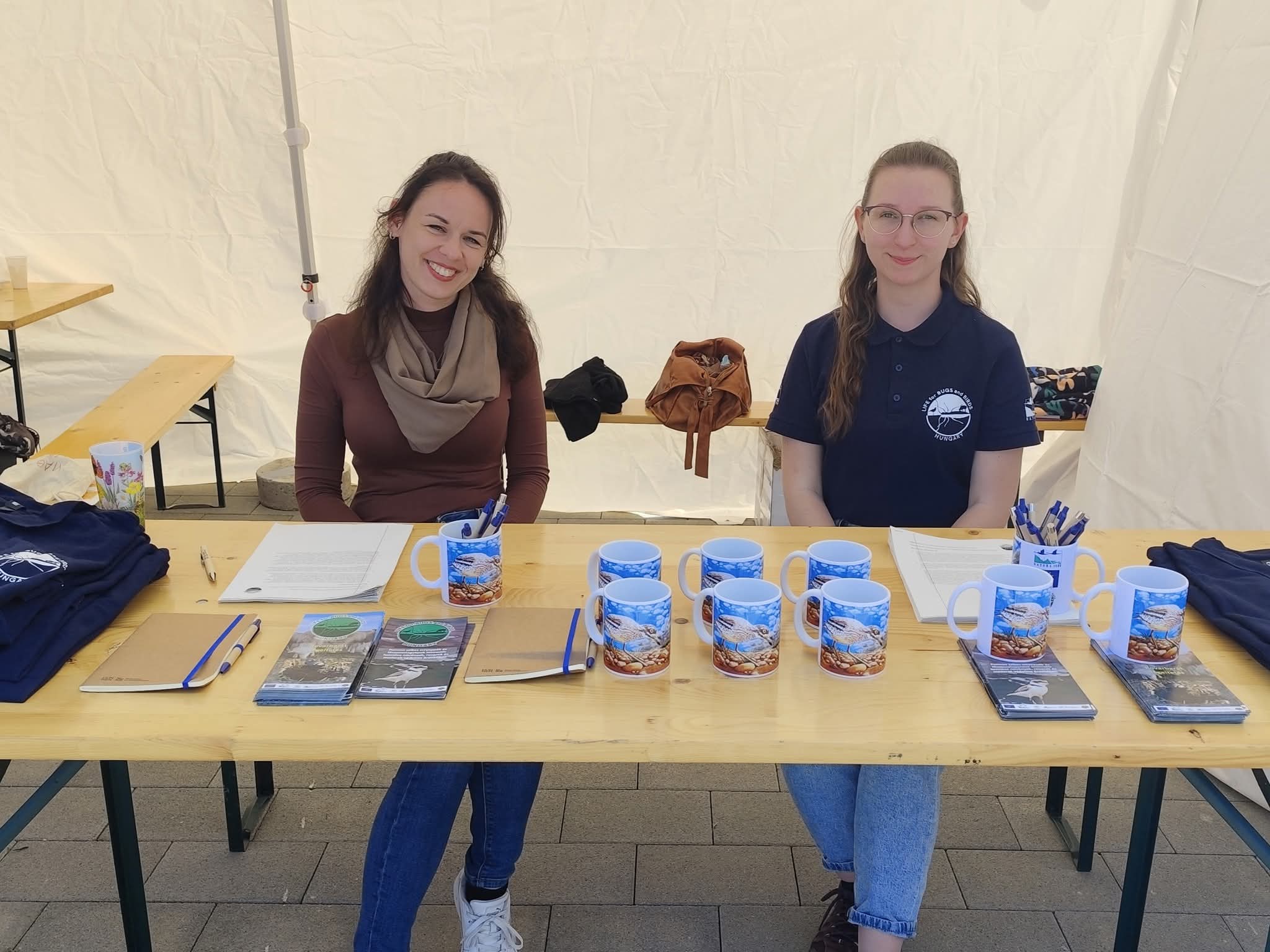
In the recent period, we participated in two events of outstanding professional and community importance. We attended as exhibitors at the St. George’s Day Livestock Drive-Out Festival in Tarnaszentmiklós, organized by the Bükk National Park Directorate, as well as at the St. George’s Day Drive-Out Festival, Craft Fair, and “Our World Heritage, the Puszta” Day in Hortobágy.
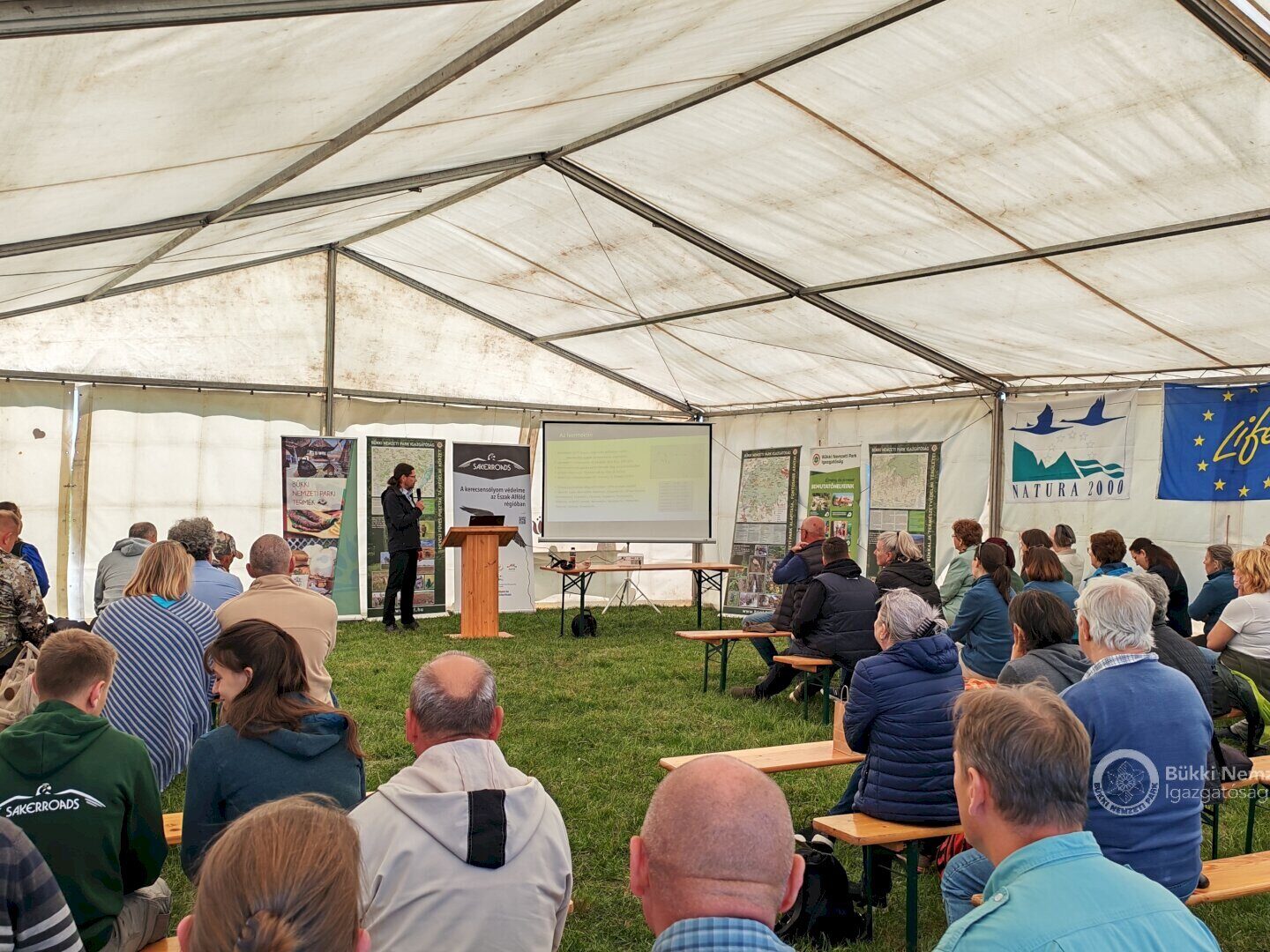
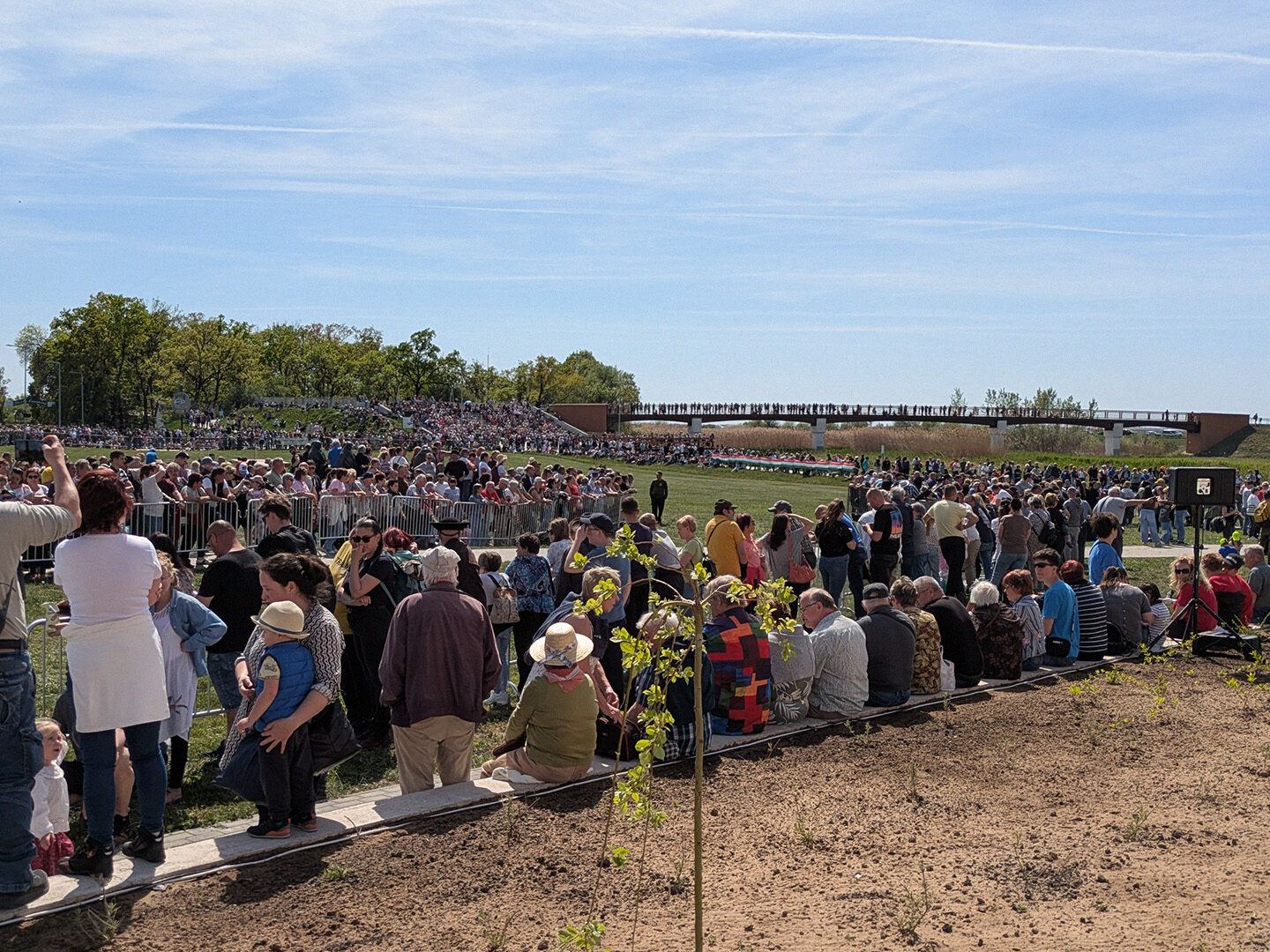
On April 24, celebrating spring and renewal, the landscape near Tarnaszentmiklós—on the protected pastures of the Hevesi Füves Puszták Landscape Protection Area—once again came to life. The traditional drive-out festival, organized by the Bükk National Park Directorate, provided an excellent opportunity for direct dialogue between farmers and nature conservation professionals. The professional program included several presentations on nature-friendly farming practices and ongoing conservation projects. Professor Lengyel Szabolcs, the leader of the Conservation Ecology Reserach Group of HUN-REN Centre for Ecological Research, and the project manager of our Life projects was among the speakers, and held a presentation about the practical use, importance of insect friendly garzing and its positive effects on grassland biodiversity.
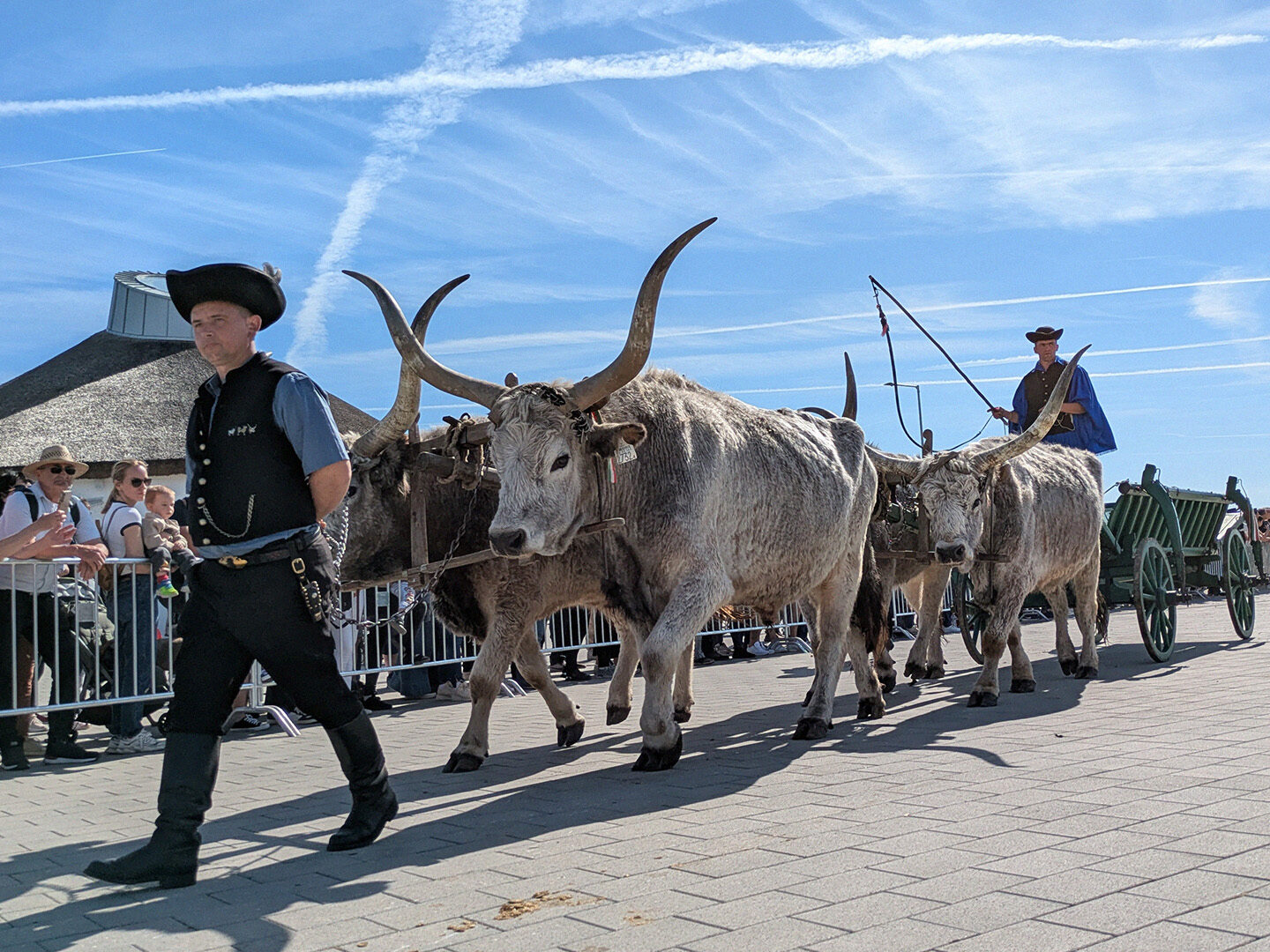
On the following day, April 25, the St. George’s Day drive-out festival took place in Hortobágy, one of Hungary’s most longstanding events showcasing pastoral traditions. With a history spanning several decades, the event vividly presents one of the most characteristic moments of steppe animal husbandry: the spring drive-out of livestock. The program featured herdsmen, Hungarian Grey cattle, and equestrian demonstrations. After several years’ hiatus, the event was once again held at the Hortobágy market square, realized through broad professional cooperation.
Both events provided an excellent opportunity to engage directly with farmers and to collect information through a questionnaire survey on the use practices of veterinary medicinal products containing ivermectin. Interest was considerable, and we received a wealth of valuable insights and feedback from local farmers.
The events were held in a positive atmosphere and proved highly successful from a professional perspective. The data collected provide an important foundation for the further implementation of the project, contributing to the alignment of nature conservation and farming practices.
Thank you to the organizers for the invitation!
Written by: Renáta Gál, Csaba P. Nagy
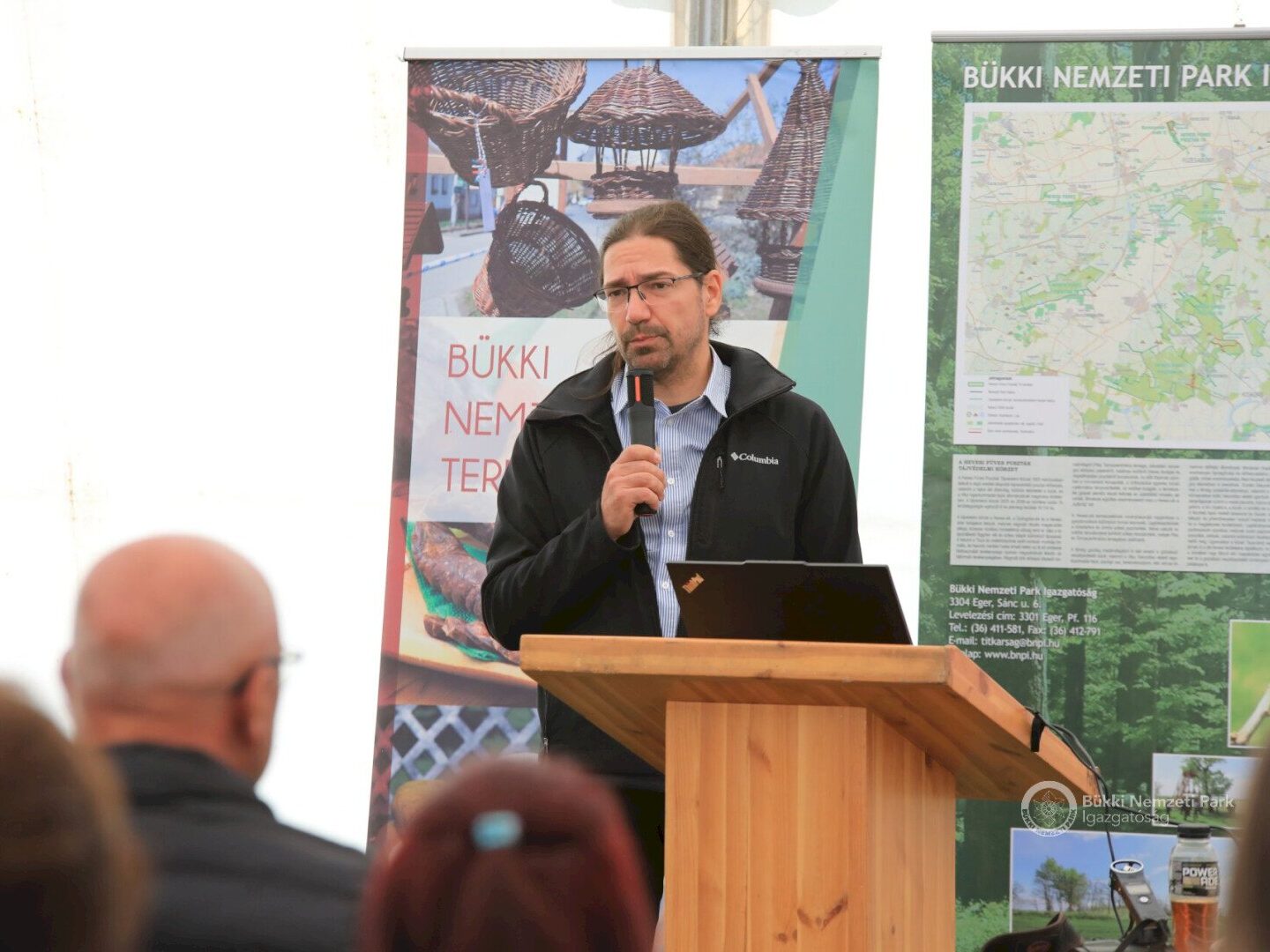 Szent György napi kihajtási ünnep Tarnaszentmiklóson Fotó: Kozma Attila