We participated in the 8th European Congress on Conservation Biology (ECCB)

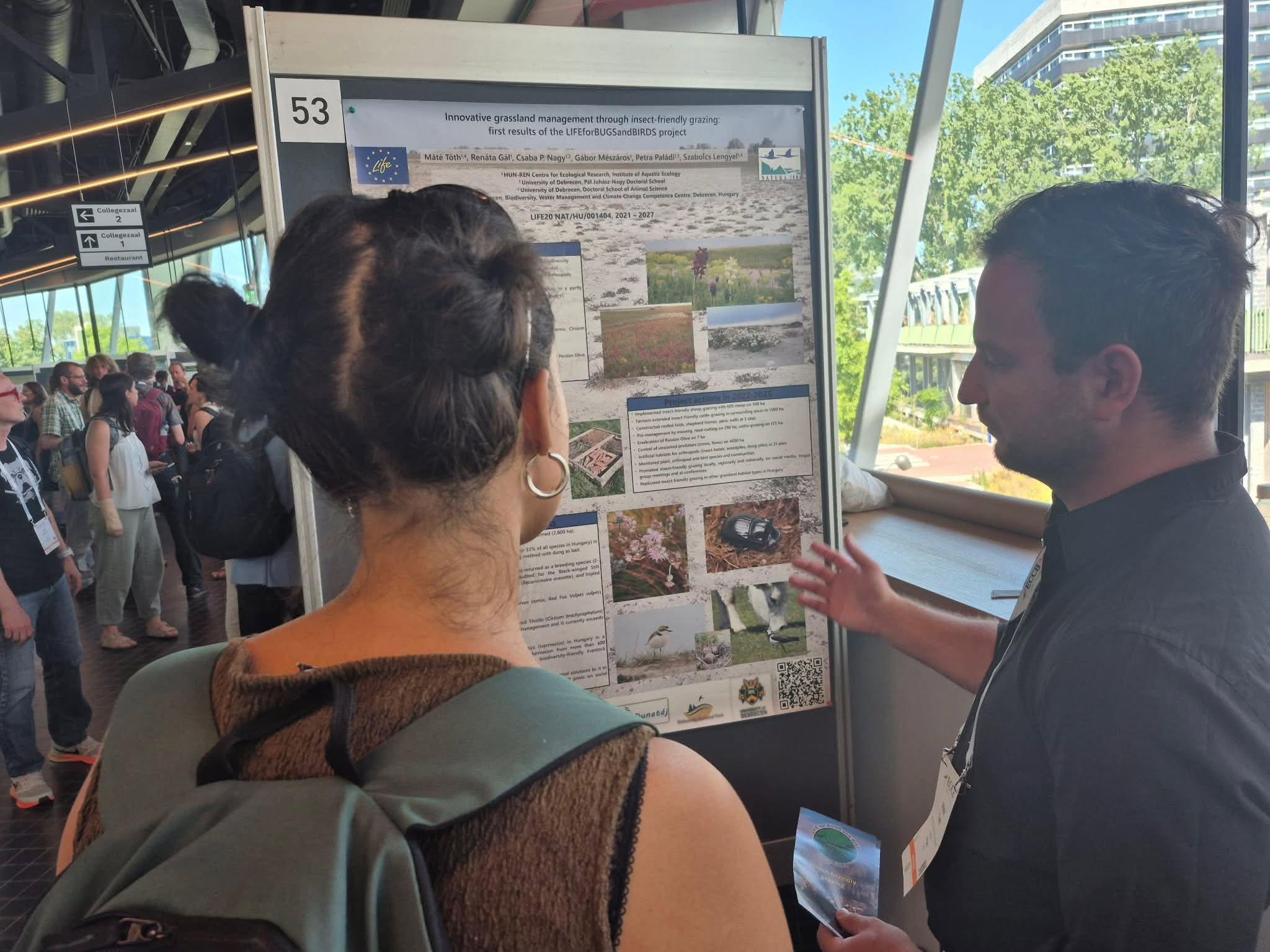
At the beginning of July, the LIFE for BUGS and BIRDS project team also participated in the 8th European Congress of Conservation Biology (ECCB), where we presented the project’s results and experiences to date in the form of a poster.
The congress is one of Europe’s leading professional events in the fields of nature conservation and conservation biology, bringing together nearly 850 researchers and professional conservation practitioners from 25 countries this year.
The event provided an excellent opportunity for us to gain insights into the latest research, methodologies and practical approaches in nature conservation. It also offered numerous opportunities for engaging professional discussions, knowledge exchange and networking.
We are proud to have had the opportunity to present the results of the LIFE for BUGS and BIRDS project at such a prestigious international event. We remain committed to ensuring that our work to conserve insects and birds translates into tangible, meaningful outcomes for nature.
Written by: Máté Tóth

In Search of Dung Beetles at the Horhos Valley Eco-Farm

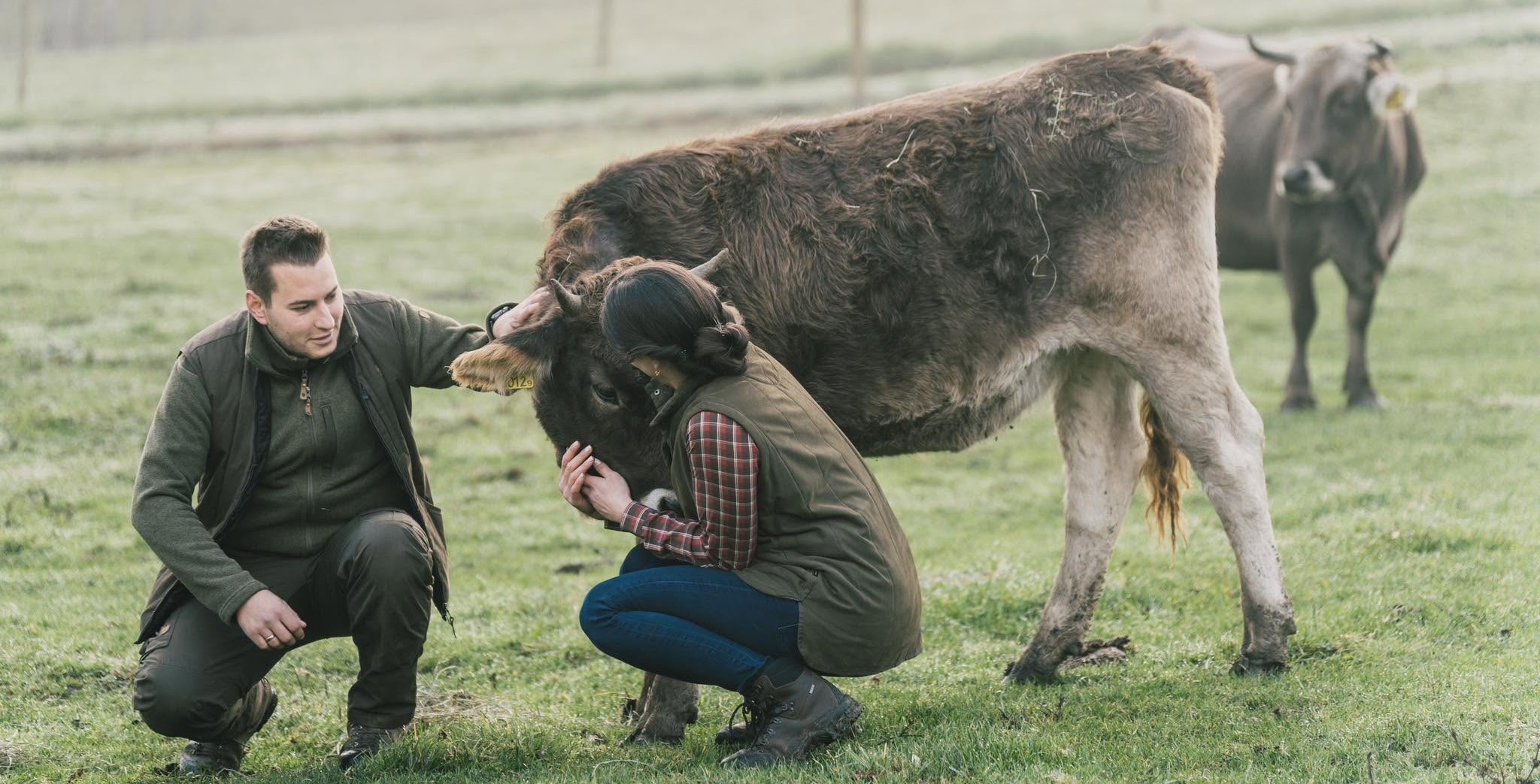
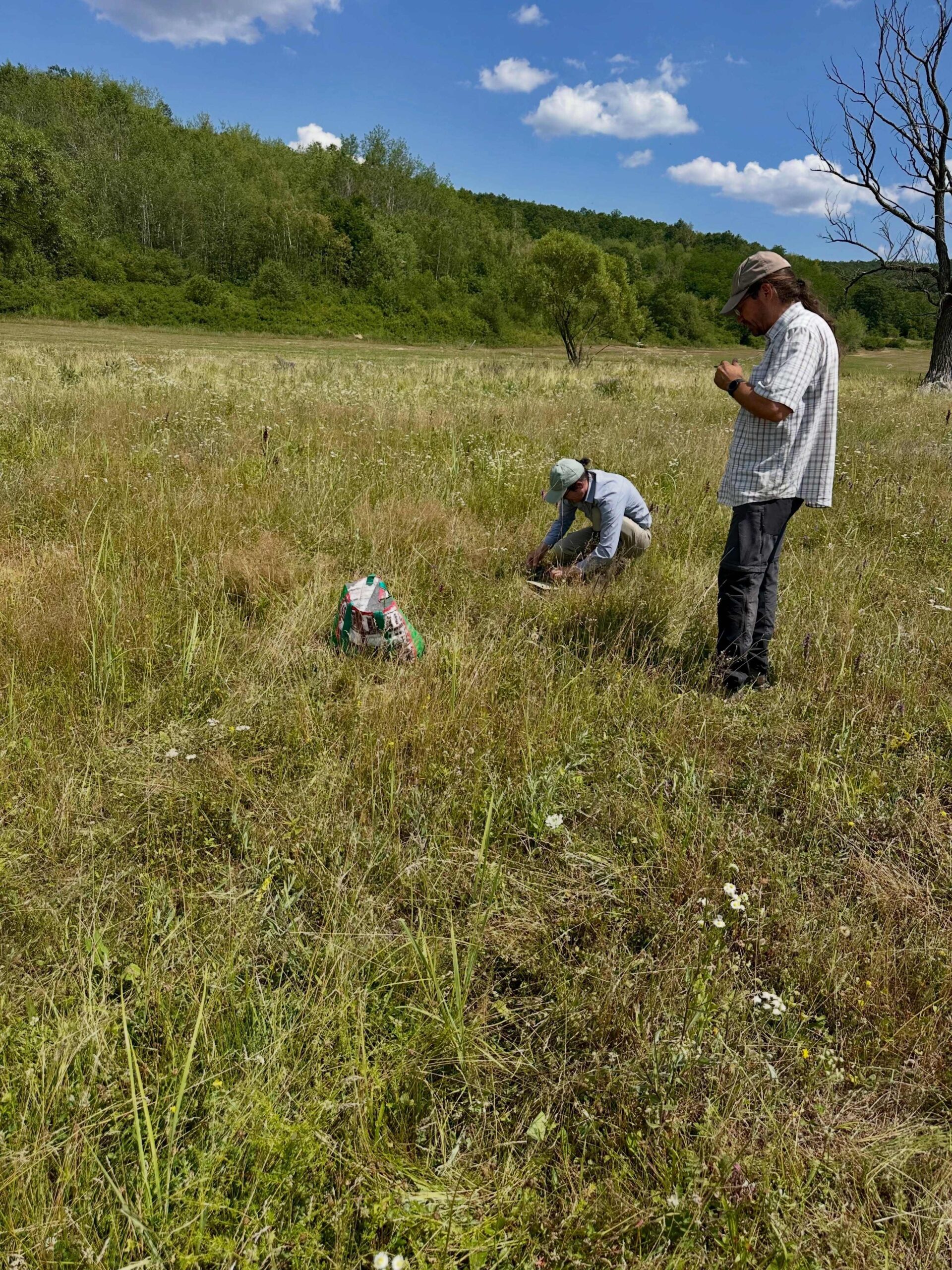
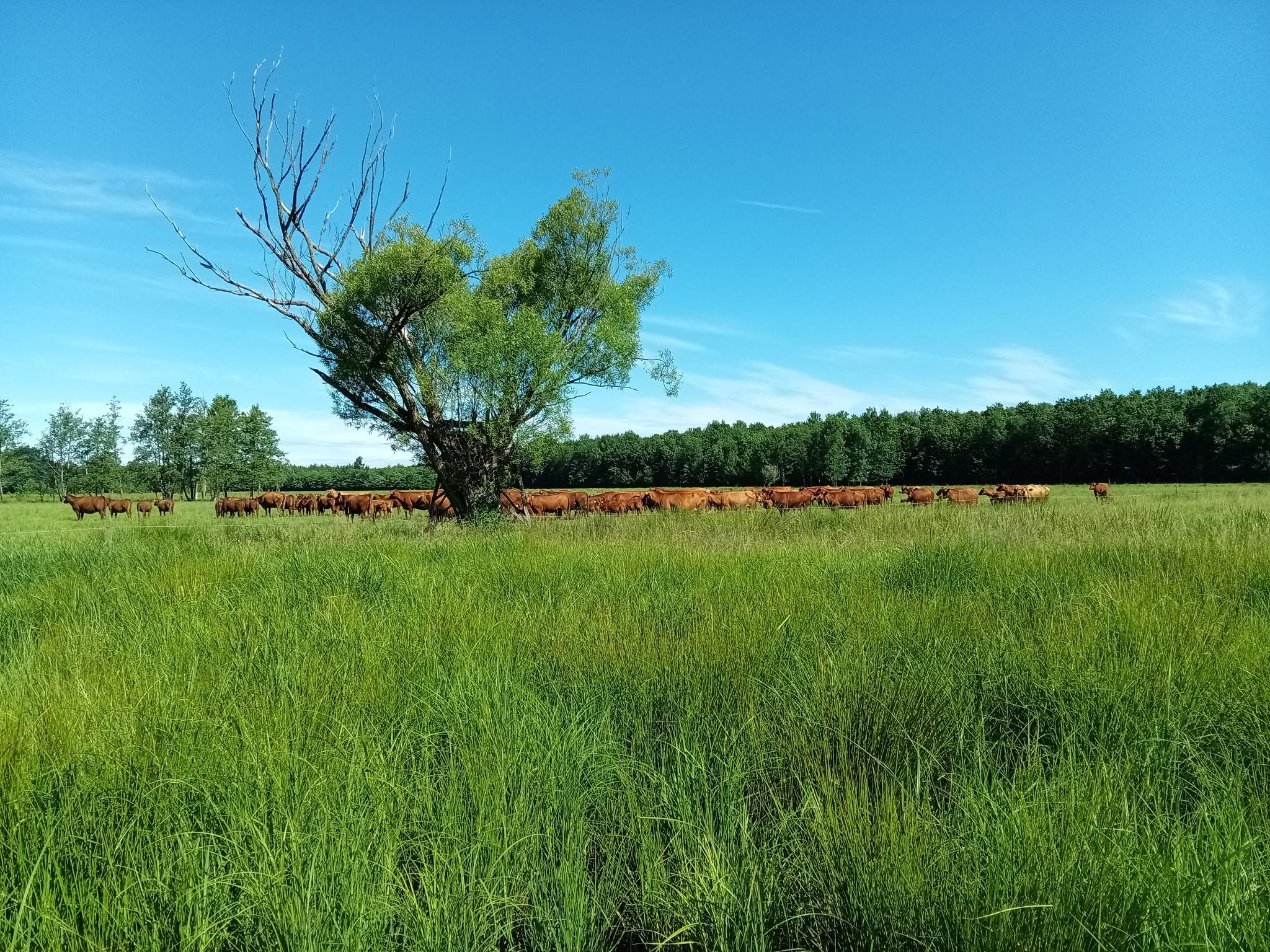
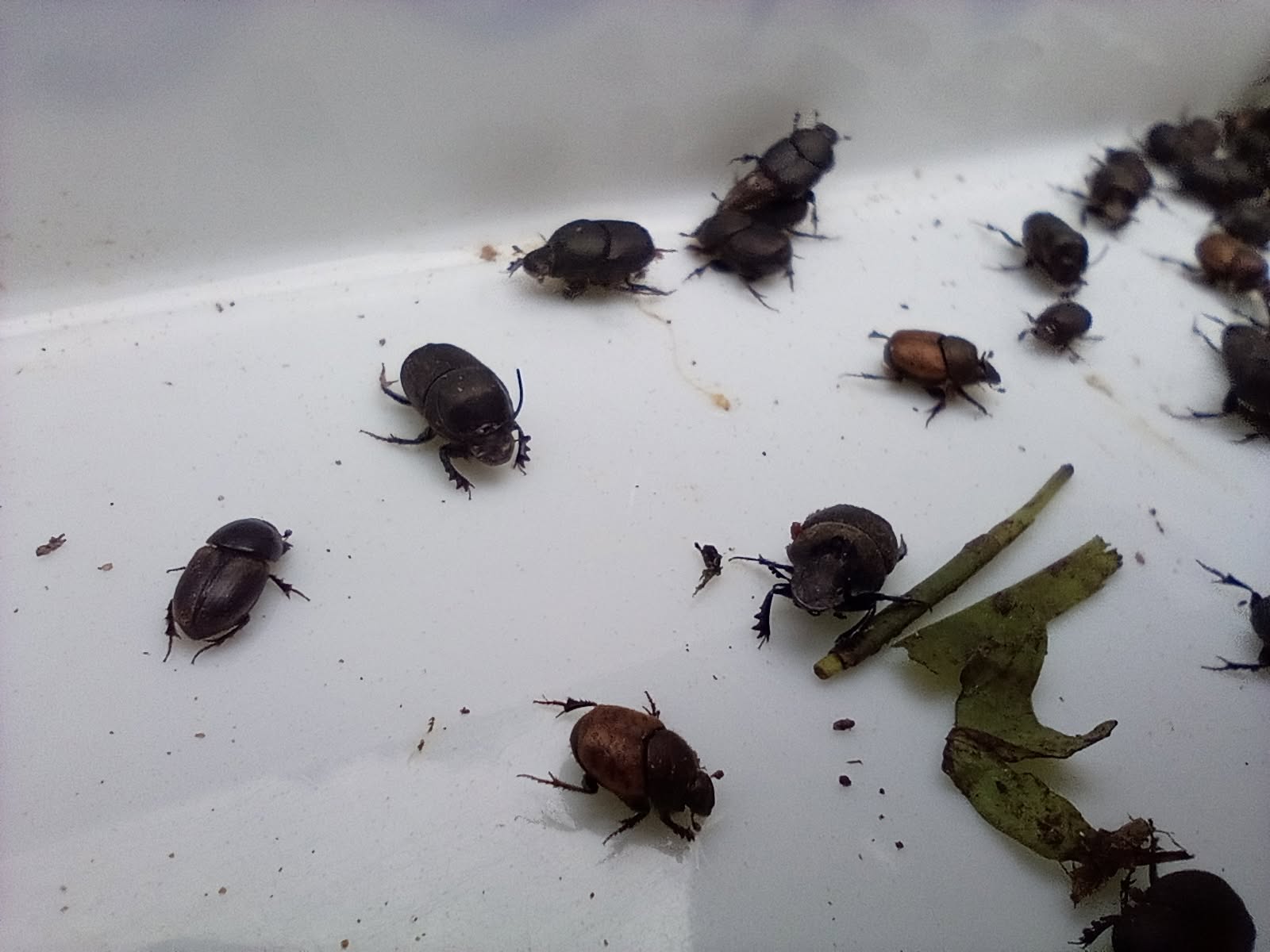
As part of the LIFE for BUGS and BIRDS project, our team conducted a dung beetle survey at the Horhos-Völgyi Estate. During the fieldwork, we searched for characteristic species of hilly and mountainous pastures while collecting valuable data on pasture ecosystems and the impacts of nature-friendly farming. Simultaneously, we learned about agricultural practices operating in harmony with nature, alongside the advantages and challenges of rearing the Carpathian Brown cattle breed.

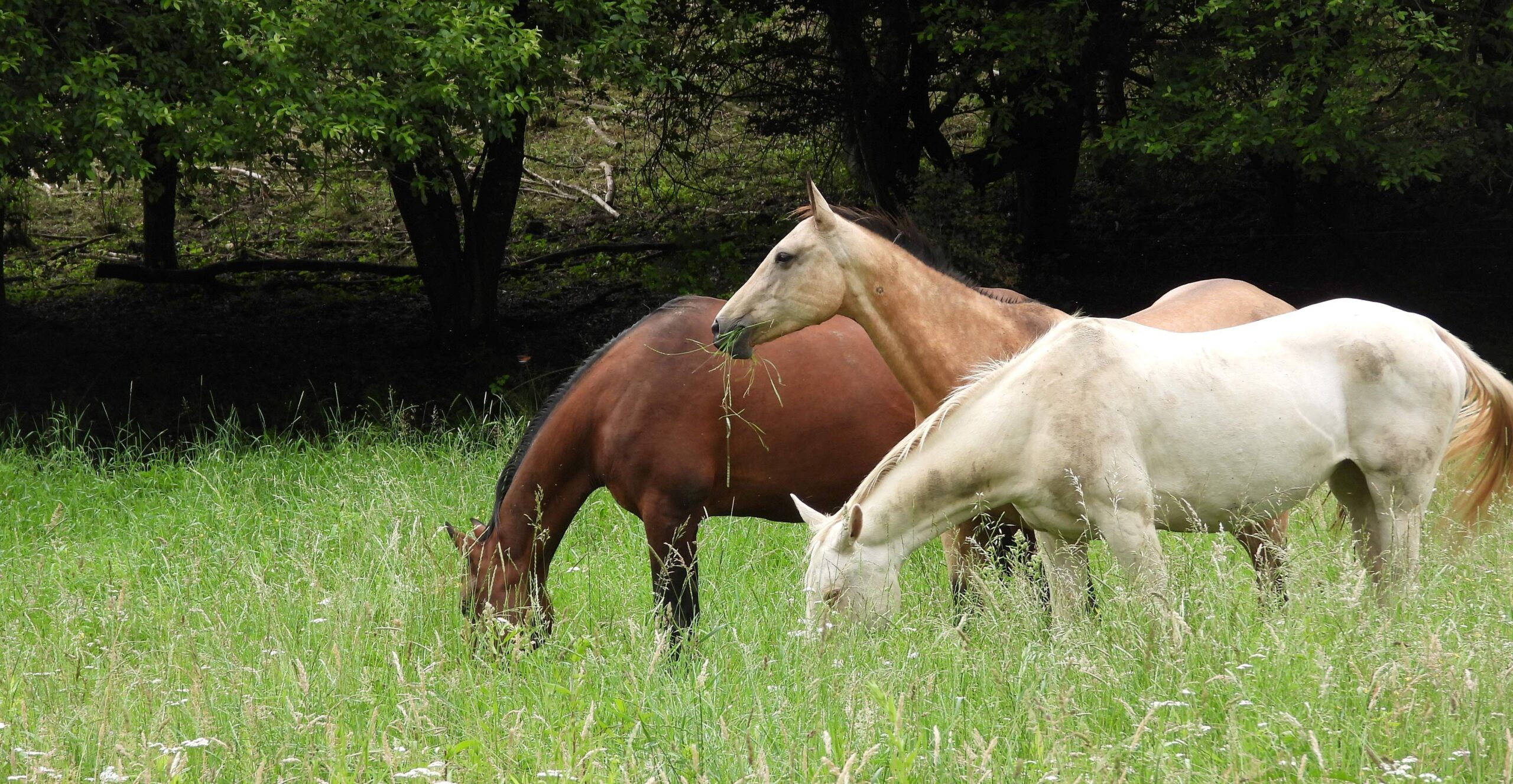
The Horhos-Völgyi Estate recently joined the partner network of the LIFE for BUGS and BIRDS project. The farm operates with an exemplary approach: it integrates nature conservation aspects as a fundamental part of its everyday agricultural operations. The management of the pastures and the rearing of the Carpathian Brown cattle are guided by an ethos that mutually serves animal welfare and biodiversity conservation.

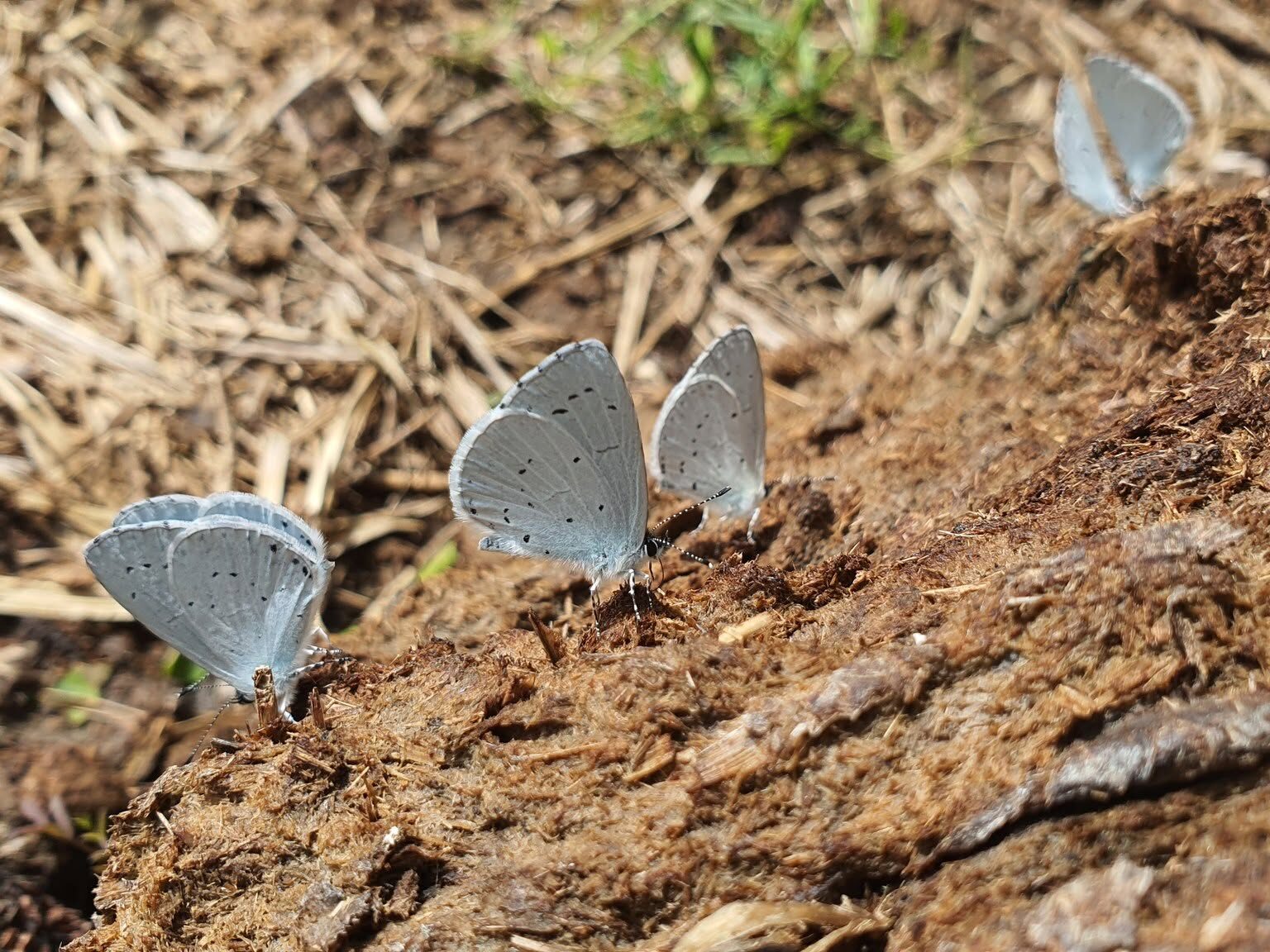
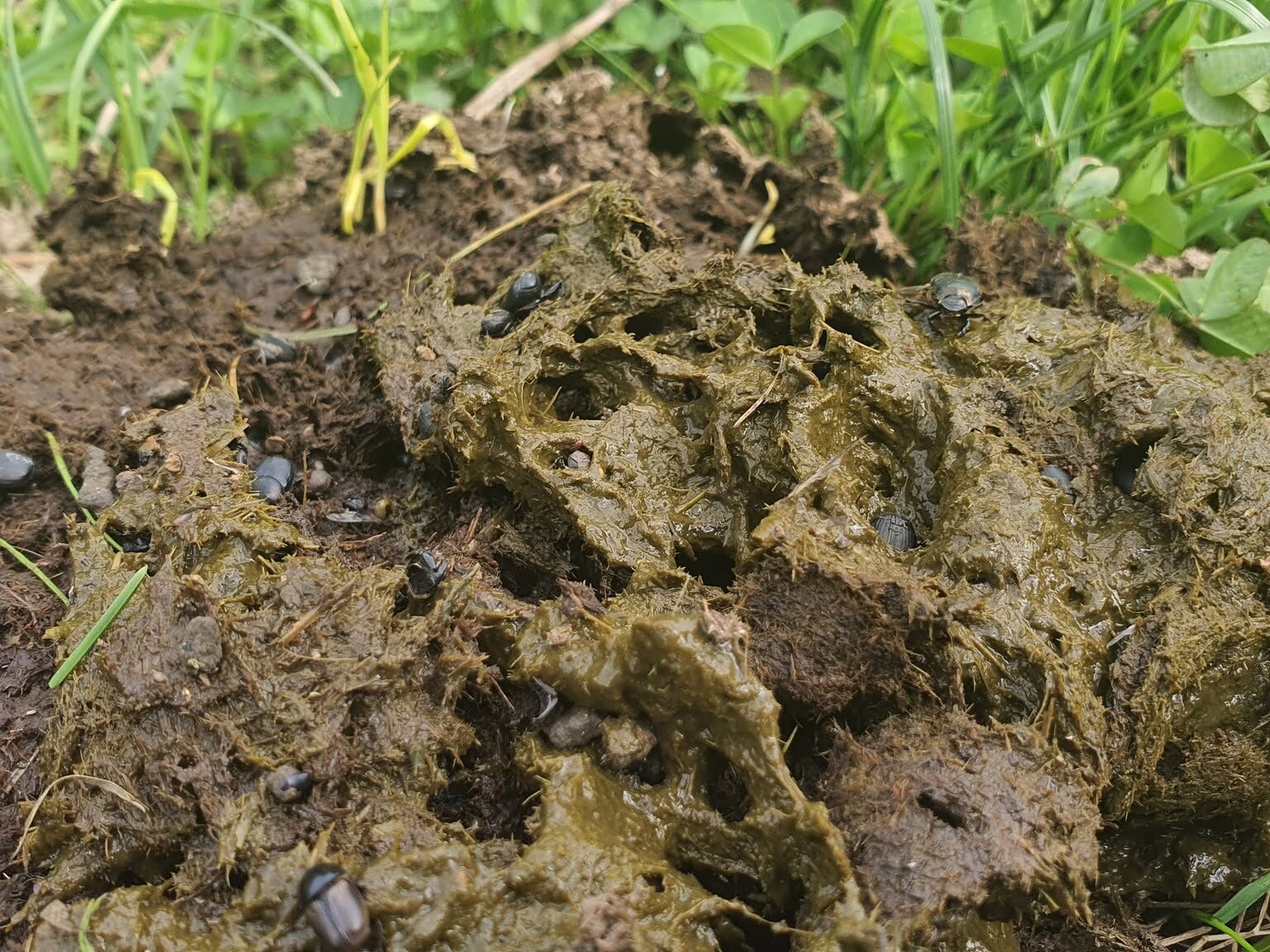
Dung beetles are key actors in the ecological functioning of pastures. They rapidly decompose cattle dung and incorporate it into the soil, thereby contributing to nutrient cycling, improving soil structure, and providing a food source for numerous insectivorous bird species. Even a single dung pat hosts a rich ecological community, making it essential for these insects to find suitable living conditions. Responsible veterinary practices play a significant role in this. The estate pays special attention to ensuring that veterinary medicinal products containing ivermectin are administered only when strictly justified. This is critical because residues of the substance can persist in the dung, where they can harm dung beetles and other beneficial arthropods. This nature-friendly approach allows the ecological processes of the pastures to function undisturbed, ensuring the long-term preservation of the area’s rich biodiversity.

We would like to thank the staff of the Horhos-Völgyi Estate for their warm hospitality, the insightful professional discussions, and the glimpse into the daily operations of near-natural farming. It was a pleasure working in such a unique environment, and we trust that the jointly collected data will further advance the protection of pasture ecosystems and dung beetles.

Written by: Renáta Gál

  • Foto: Horhos Völgyi Ökobirtok

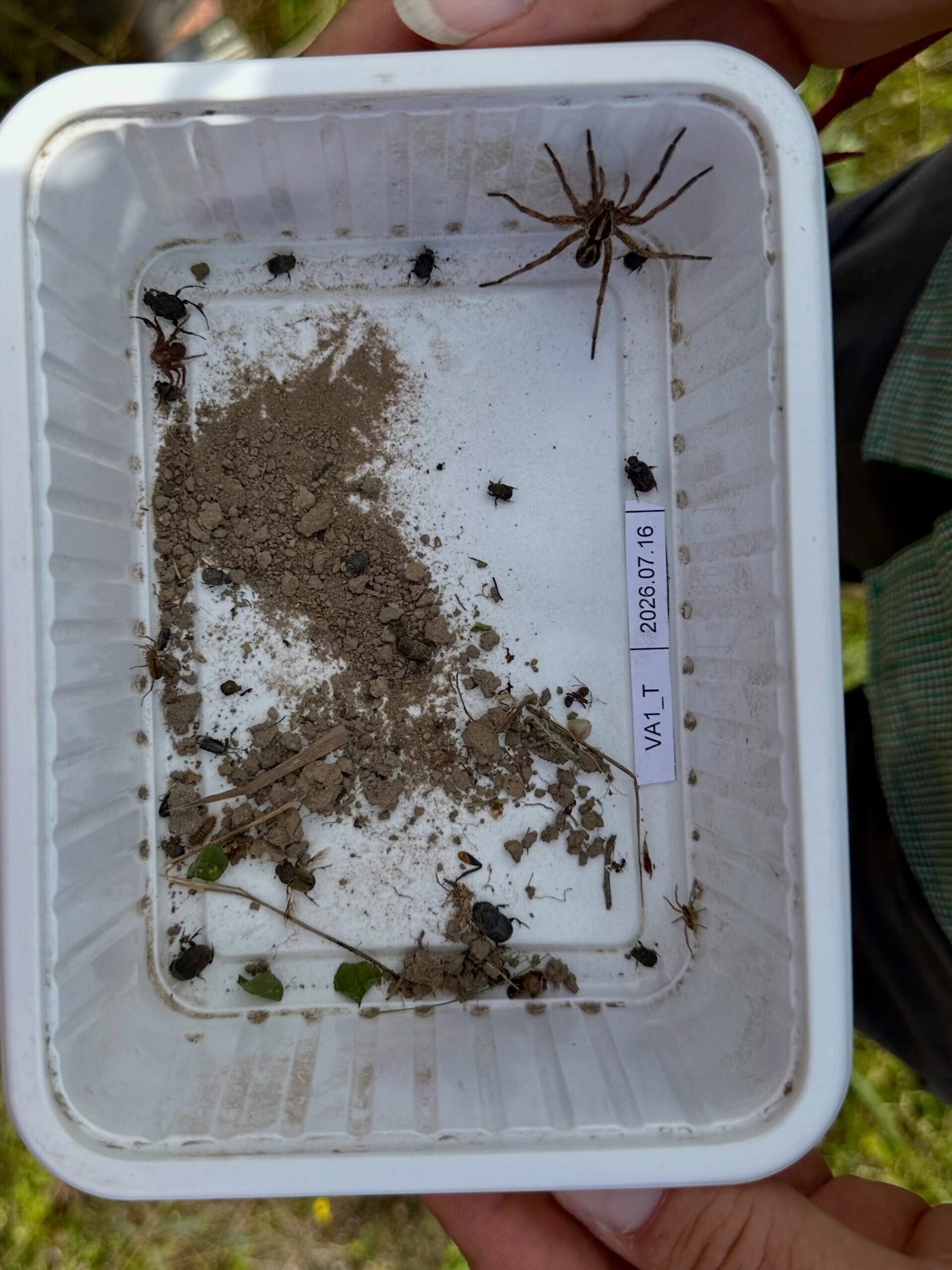
As part of a professional collaboration, we conducted a dung beetle survey on the grazing lands of the DEDES – Private Agroecology Project in Lendvadedes, Hungary.

This joint effort not only yielded valuable data on the insect fauna of the area but also provided us with an excellent opportunity to deepen our understanding of the potential and practical applications of regenerative agriculture. It was truly inspiring to learn about the principles of regenerative farming and the management practices aimed at improving soil health, enhancing biodiversity, and supporting natural ecological processes.

During a single sampling event, we recorded nearly 20 dung beetle species within the study area. Although these organisms often go unnoticed, they perform essential ecosystem functions and play a key role in maintaining ecosystem health and supporting the productivity of grazing systems.

We are sincerely grateful for this collaboration and for the warm hospitality we received. One of the most important lessons from this experience is that nature conservation and agricultural production are not inherently conflicting objectives. On the contrary, the openness and commitment of farmers are indispensable for developing effective conservation solutions that are both ecologically meaningful and practically applicable.

Written by: Máté Tóth

  • Fotó: Tóth Boglárka

We participated in the 30th National Cattleherders’ Competition and Shepherds’ Gathering

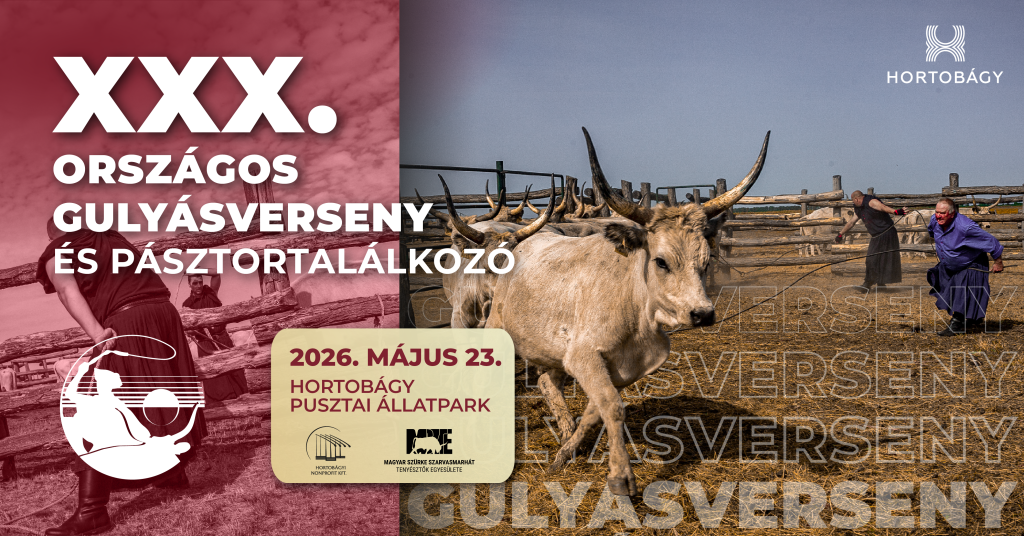
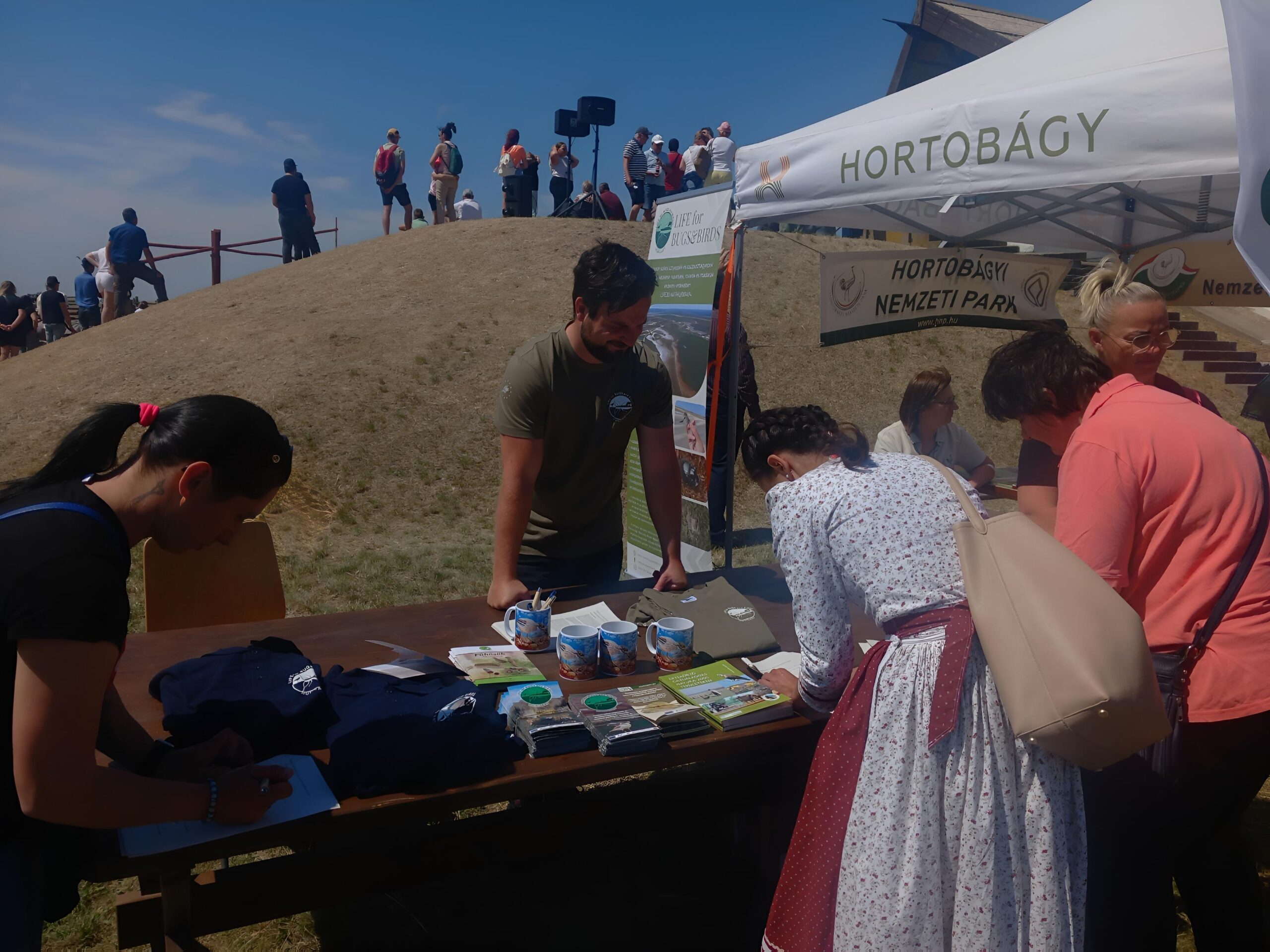
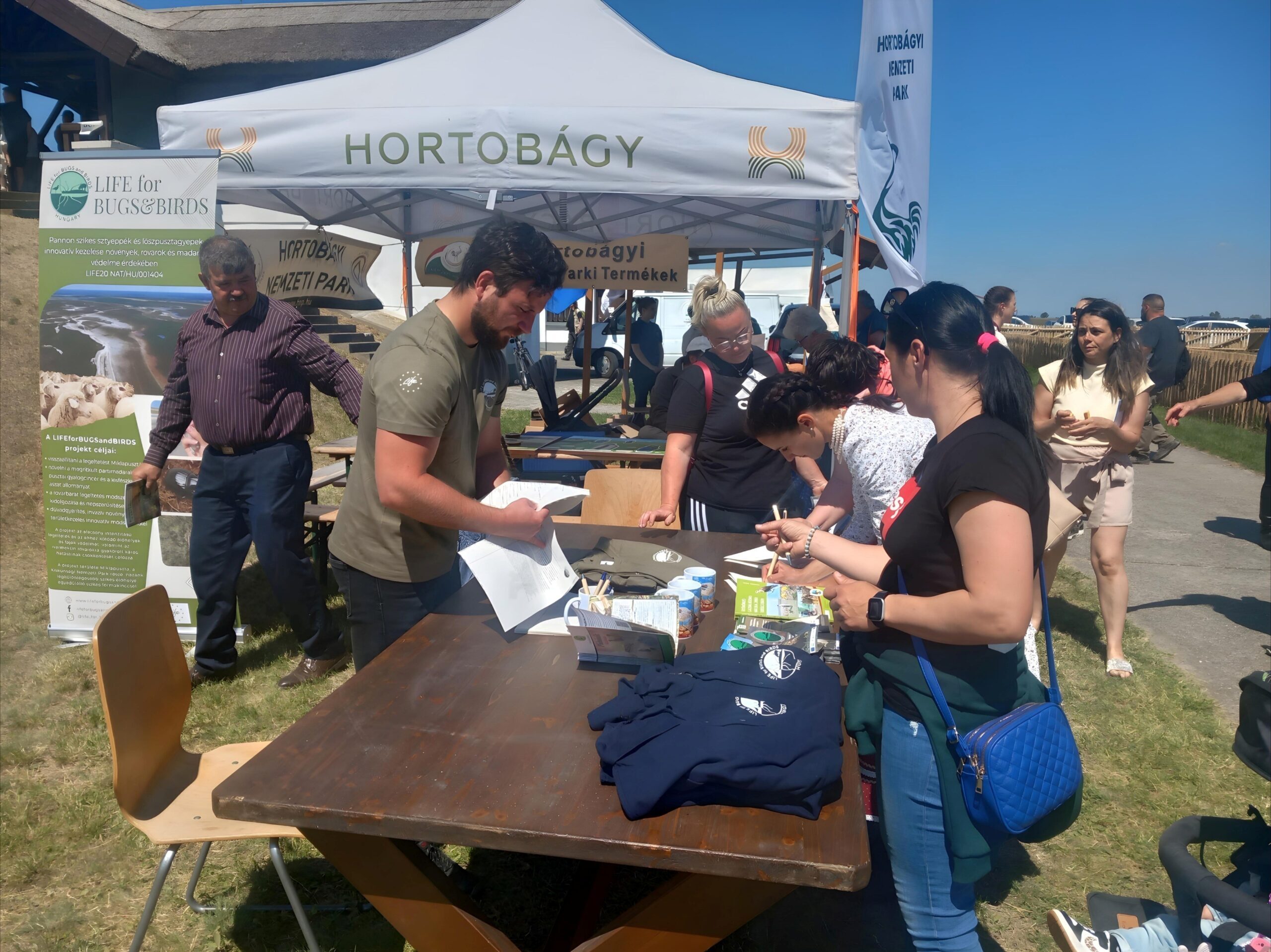
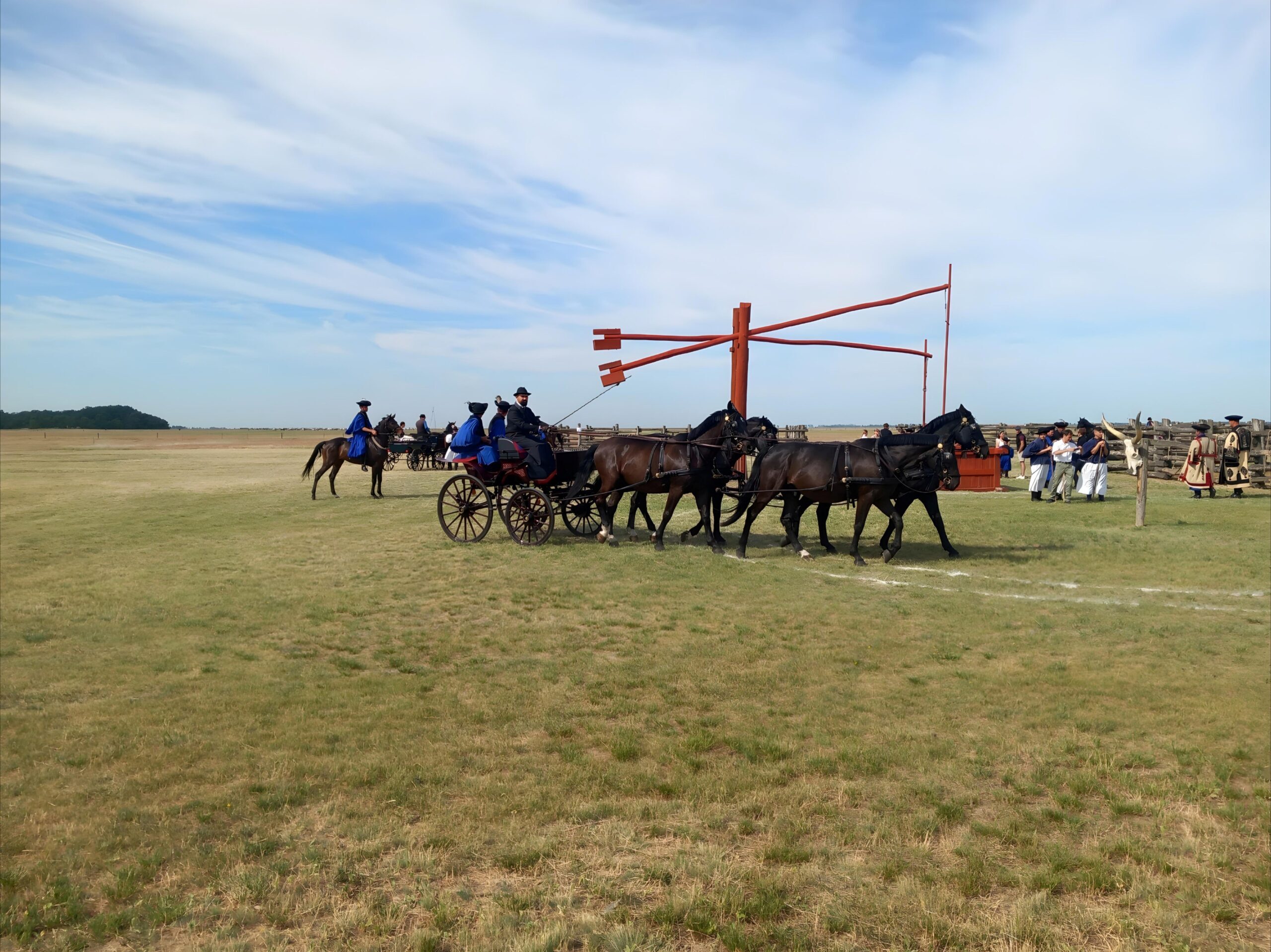
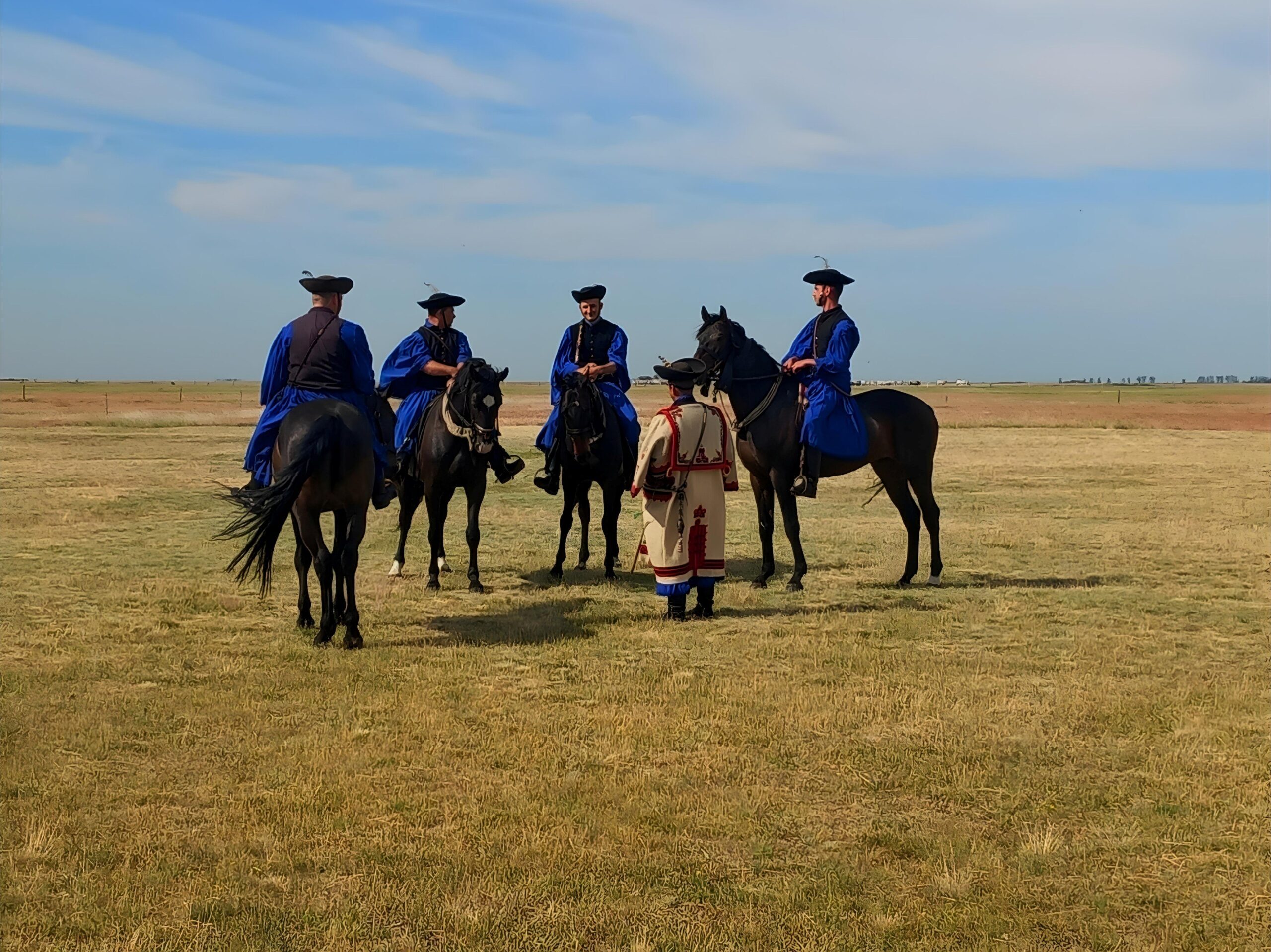
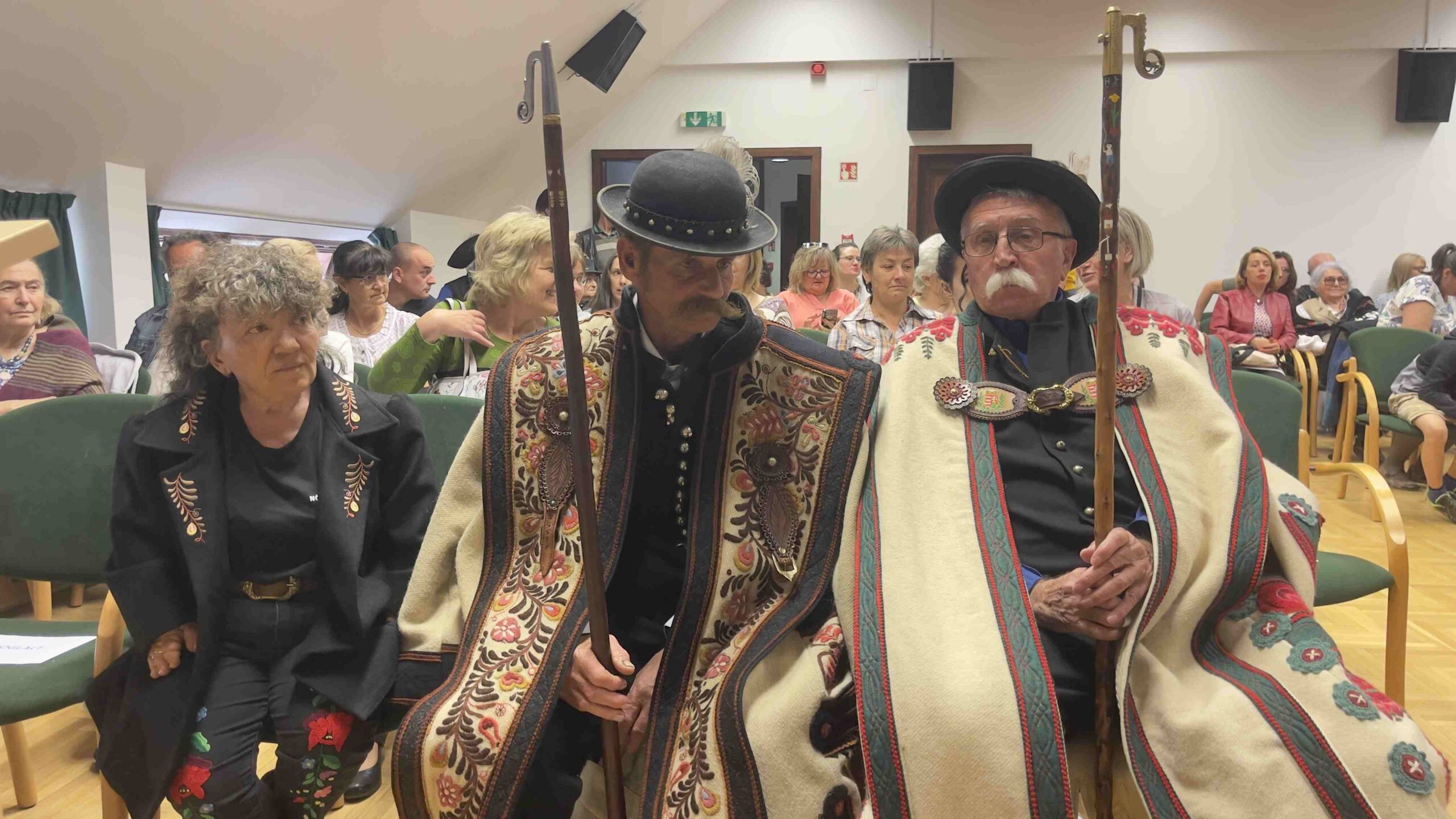
This year, the 30th National Cattleherders’ Competition and Shepherds’ Gathering was held at the Pusztai Állatpark in Hortobágy. The jubilee event aims to showcase and pass on the traditions that are still alive among the herders of Hungarian Grey cattle kept under extensive, free-range conditions, as well as the practical skills of traditional pastoralism.

Cattle herders and young apprentices representing the next generation, who travelled to the event from all over the country, competed in traditional contests based on the skills and tasks of everyday pastoral life. These included catching cattle, drawing water from a traditional well, throwing a lasso, and handling the traditional herder’s stick and whip. At the same time, visitors were given an authentic insight into one of the most important living traditions of Hungarian pastoral culture.

The programme was complemented by a competition featuring traditional herdsmen’s dishes, folk music and traditional cultural performances, as well as a fair showcasing traditional crafts and folk art. The event not only contributes to preserving the values of Hungarian pastoral culture, but also draws attention to the close relationship between pasture management and nature conservation—an increasingly important aspect of sustainable land use today.

The event provided an excellent opportunity for us to raise awareness among farmers and visitors about the importance of insect-friendly grazing and to introduce the objectives of our project. The event attracted a large number of livestock farmers, small-scale agricultural producers, local residents, and professionals, providing an excellent platform for presenting nature-friendly farming practices. The strong attendance of agricultural professionals allowed us to engage directly with farmers whose everyday management practices have a significant influence on grassland biodiversity.

At our stand, we demonstrated how nature-friendly grazing practices can contribute to the conservation of decomposer insects and grassland biodiversity. We discussed the benefits of using veterinary antiparasitic treatments responsibly, the role of insect hotels, and how sustainable grassland management and the conservation of beneficial insect species can simultaneously support both nature conservation and farming objectives. Particular emphasis was placed on providing participating farmers with practical examples of conservation measures that can help support the survival of decomposer and soil-dwelling arthropods, as well as other beneficial insect species.

We were delighted to see that many farmers showed a keen interest in nature-friendly grassland management practices, and numerous valuable professional discussions took place throughout the event. During our conversations, several farmers expressed their openness to adopting insect-friendly management practices and their willingness to try out the methods presented by our project on their own farms.

Thank you to everyone who visited our stand and contributed to the exchange of ideas through their questions, experiences, and insights!

Written by: Renáta Gál

  • Fotó: Gál Renáta

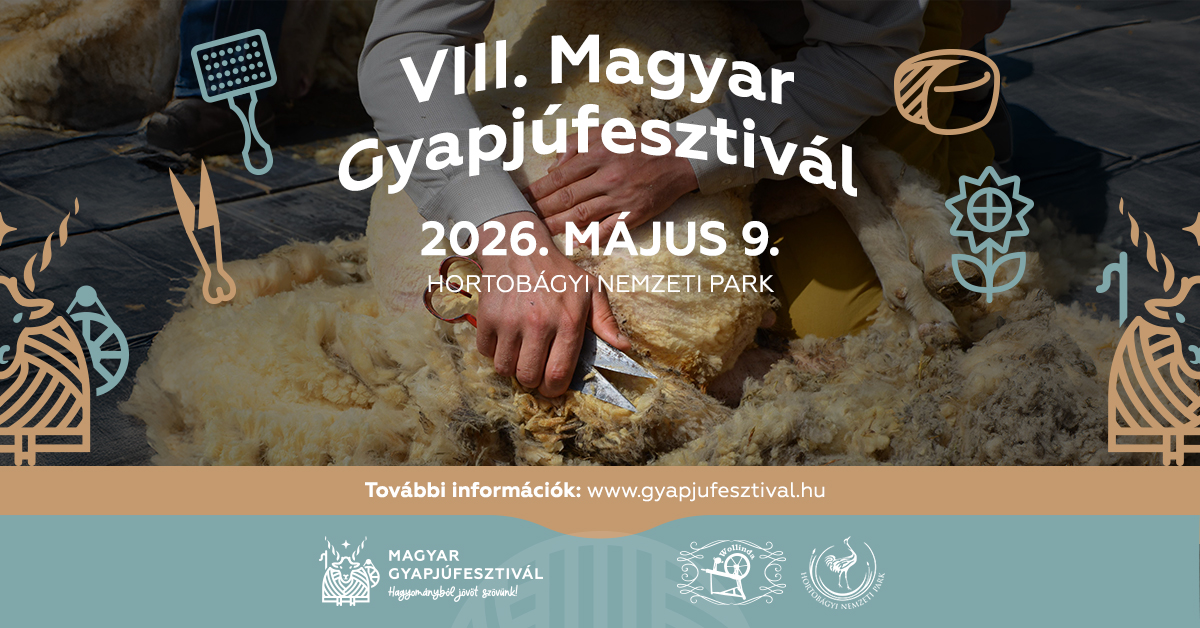
Where Tradition Meets Nature Conservation in Hortobágy – Our Participation in the 8th Hungarian Wool Festival

Hortobágy hosted the 8th Hungarian Wool Festival, which once again offered a diverse programme for those interested in traditional pastoral culture, wool processing, and sustainable livestock farming. The event aims to bring visitors closer to the traditions surrounding sheep farming and the journey of wool from sheep to finished product, while also providing a platform for showcasing modern, nature-friendly approaches to livestock management.

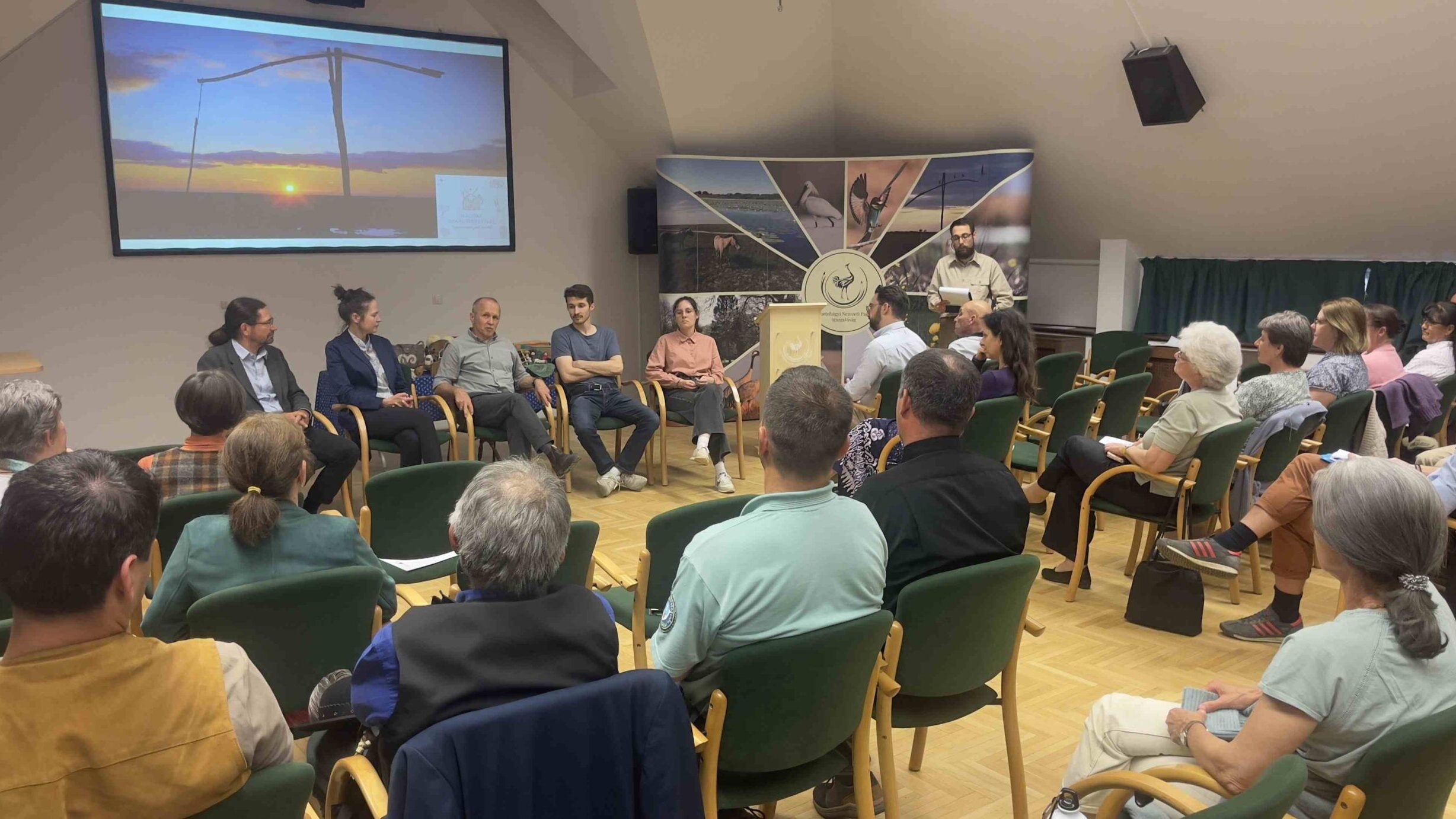
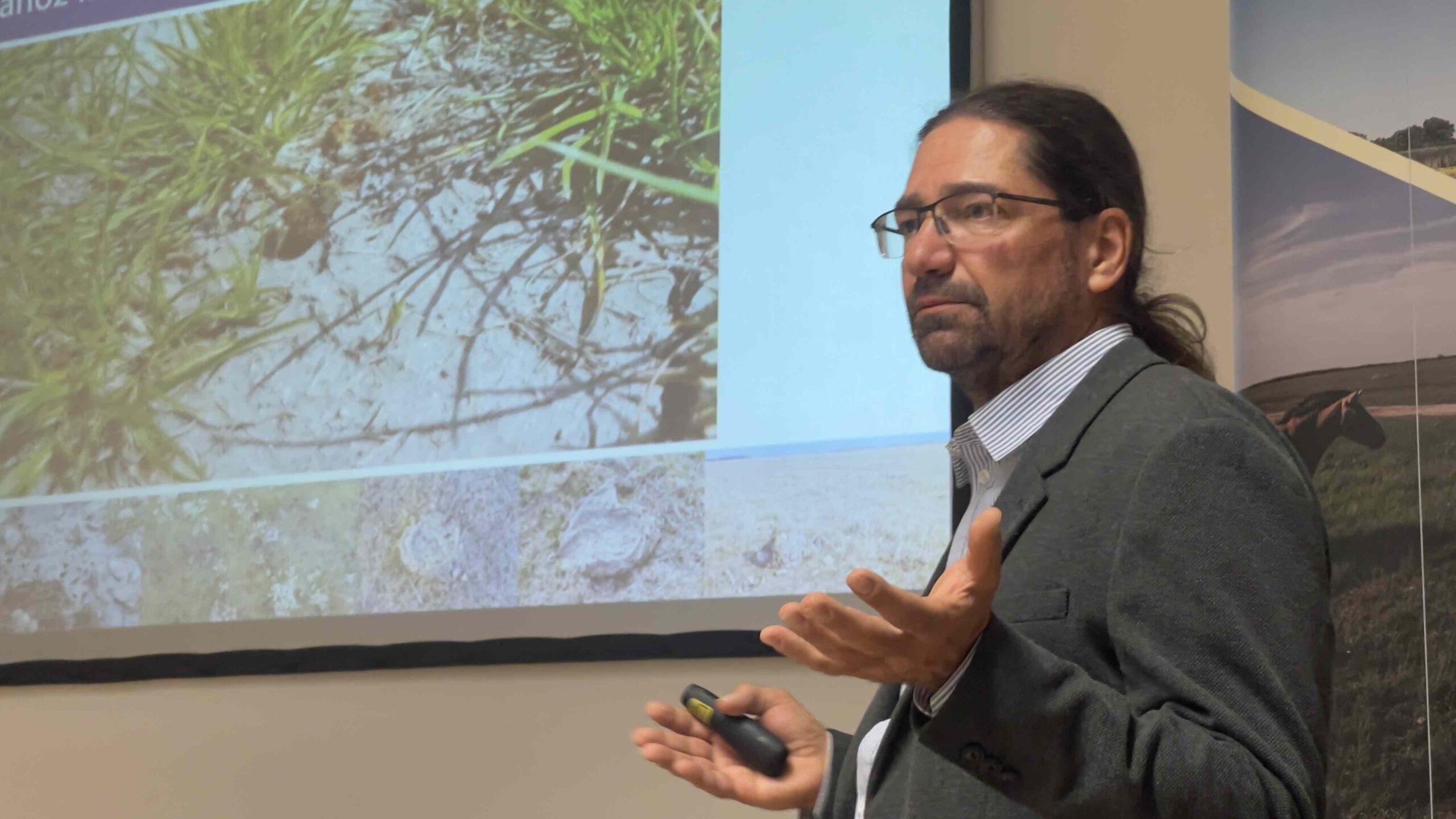
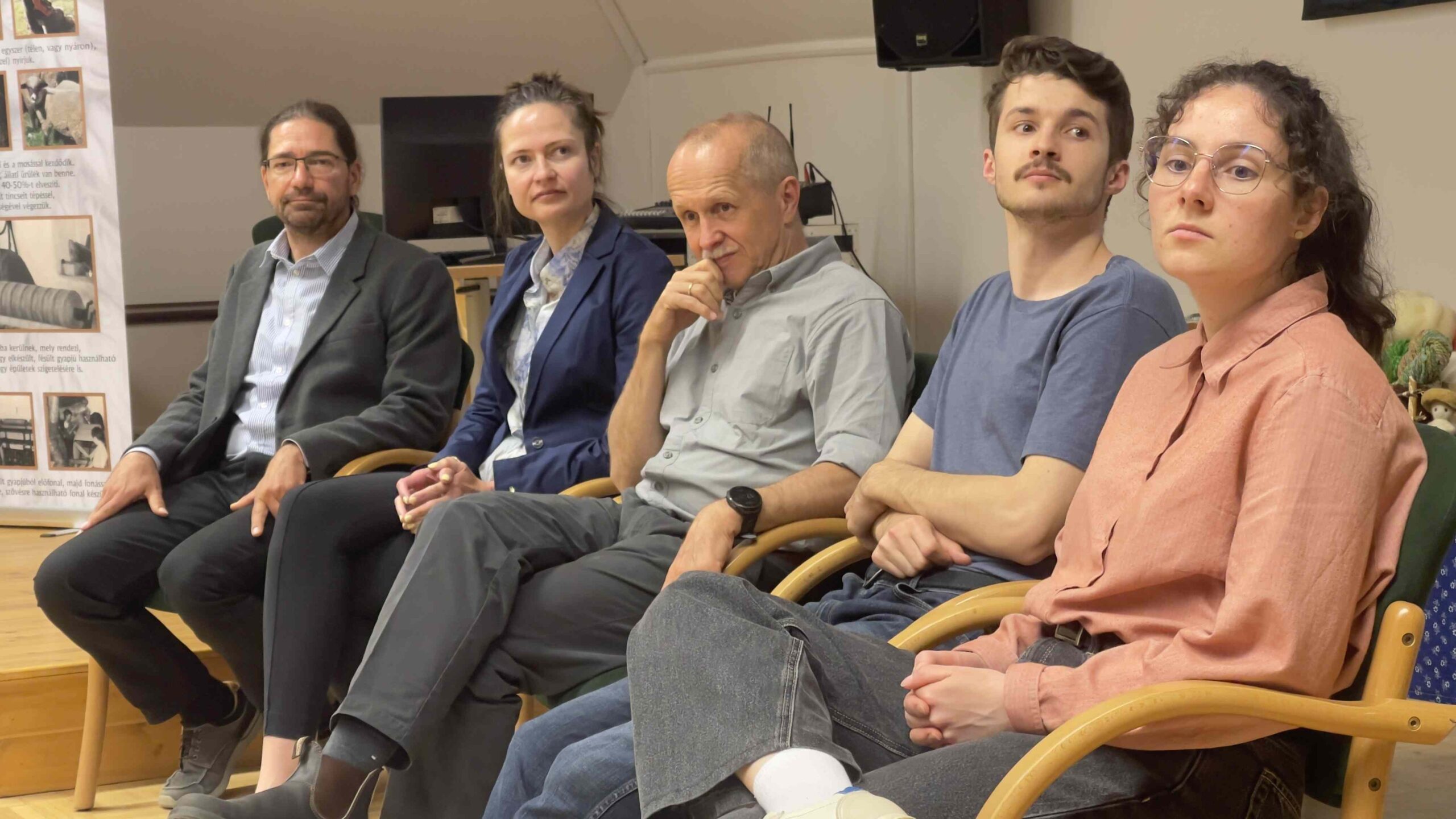
Our project team also took part in the two-day event. On the first day, Dr Szabolcs Lengyel gave a presentation at the professional conference entitled “The LIFE for BUGS and BIRDS Project and Insect- and Bird-Friendly Grazing Practices.” The presentation highlighted how appropriately managed grazing practices can contribute to the conservation of grassland biodiversity, with particular emphasis on protecting insect and bird communities. The key topics of the conference included sustainable grazing, the diverse uses of wool, and the preservation and transmission of traditional pastoral culture. The professional programme provided an excellent opportunity for dialogue and knowledge exchange among experts working in nature conservation, livestock farming, and traditional crafts.

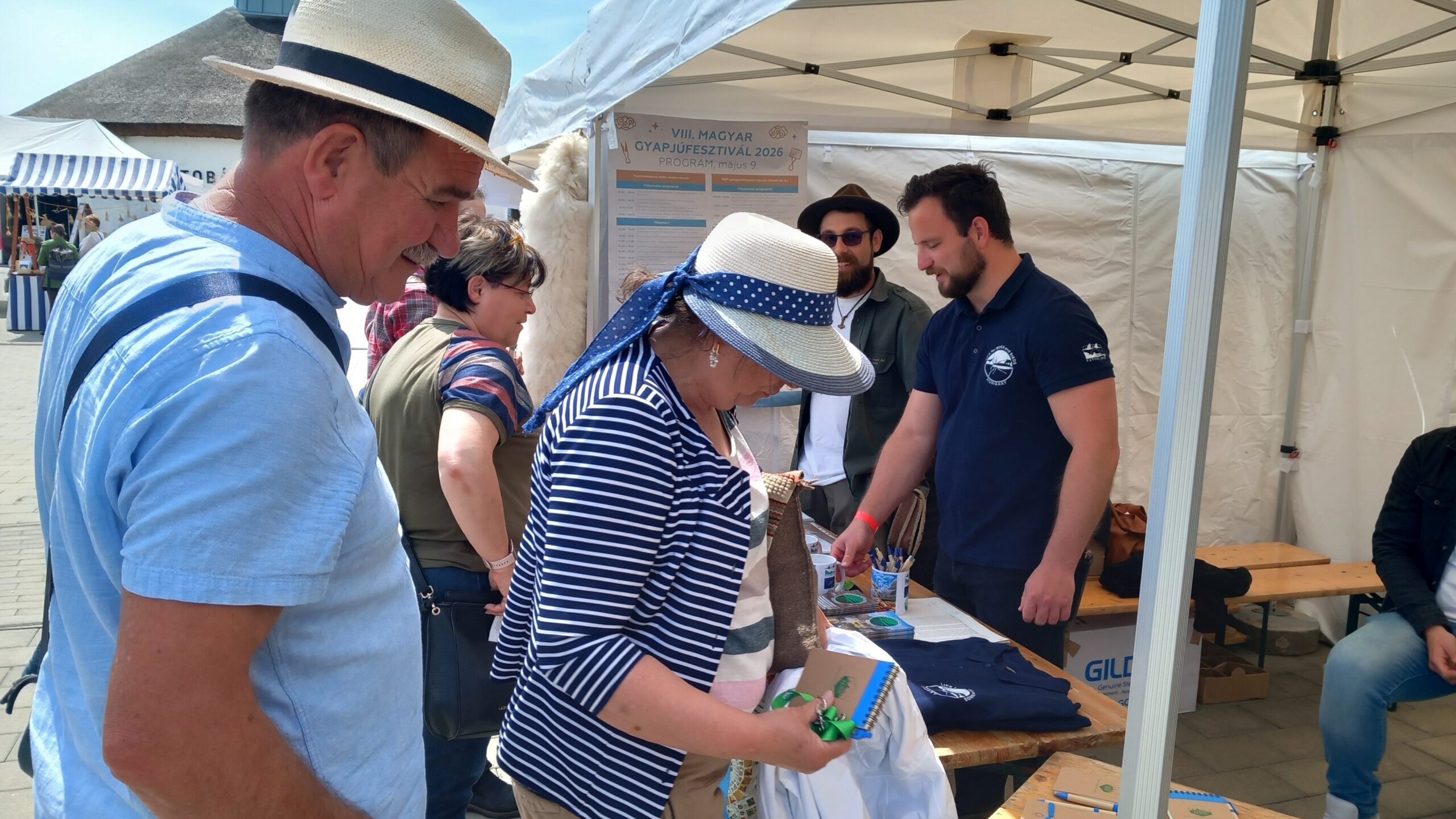
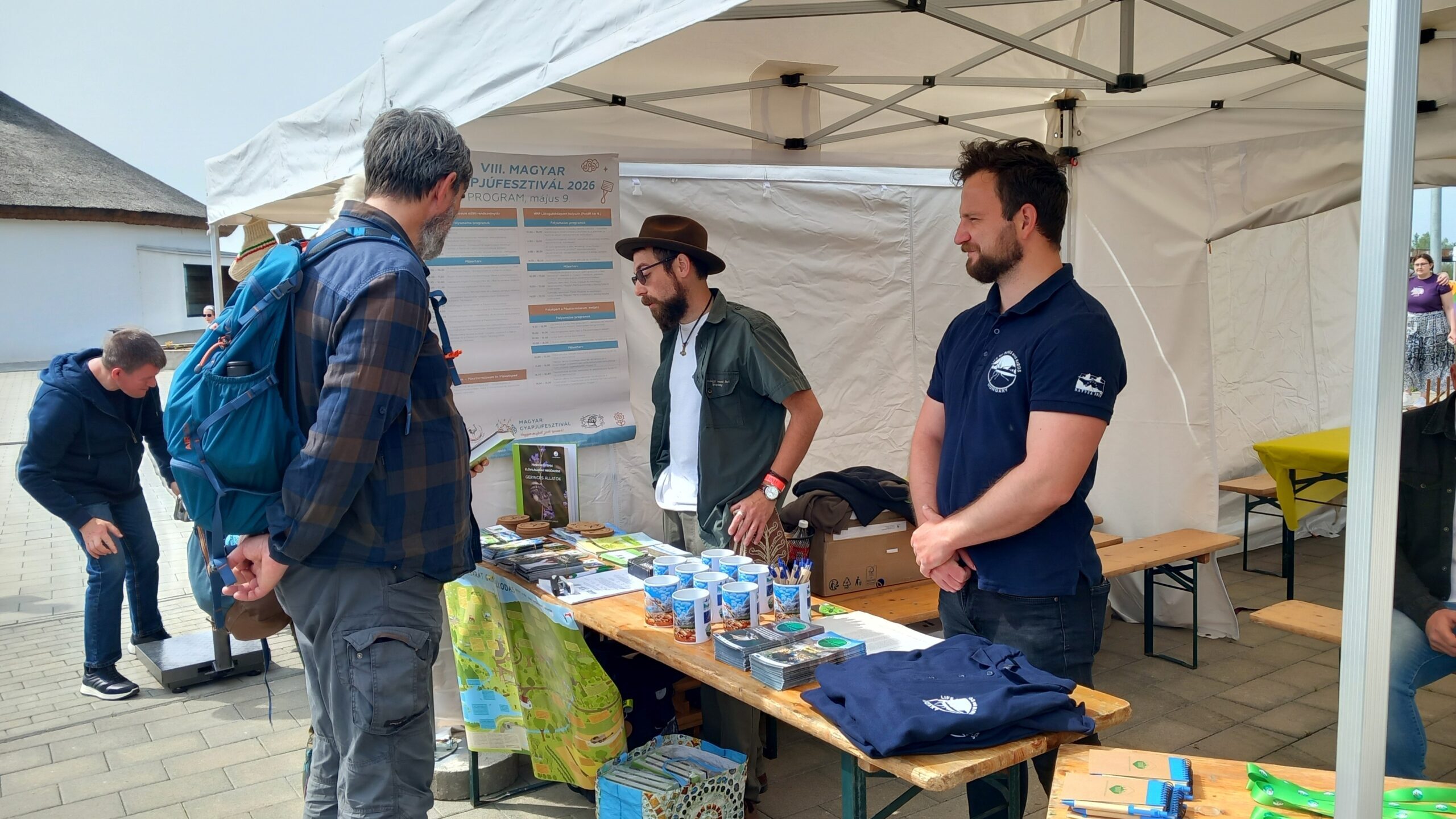
On the second day of the event, we participated in the festival as exhibitors. At our stand, visitors could learn more about the objectives of our project, our nature conservation activities, and grazing practices that support the conservation of biodiversity. Many visitors expressed interest in the practical possibilities of nature-friendly farming, and we were pleased to see growing attention being paid to the conservation of grassland biodiversity.

The 8th Hungarian Wool Festival was not only about preserving traditions, but also about exploring how the values of the past can be connected with sustainable solutions for the future. We are proud that our project could be part of this inspiring event and contribute to raising awareness of the importance of nature-friendly grazing practices.

Written by: Renáta Gál

  • Standdal is megjelentünk a VIII. Magyar Gyapjúfesztiválon. Fotó: Gál Renáta

From St. George’s Day to the Pastures: Tradition and Nature Conservation in Grazing Management

For generations, 24 April – St. George’s Day – marked one of the most important days of the year. Among livestock-keeping communities, the weather and pasture conditions determined the exact timing, but traditionally this was the day when animals were first turned out from their winter quarters to pasture. It has also marked the hiring of shepherds and farmhands and was widely regarded as the true beginning of spring. As an ancient pastoral celebration, St. George’s Day is closely associated with a rich tradition of folk customs and beliefs. One widespread custom was to lead cattle over a chain and an egg before they were turned out to pasture. According to folk belief, this ritual would make the animals as strong as the chain and as round and healthy as the egg. Great importance was also attached to the first green branch used to lead the livestock out to graze. As the old saying goes: “May the livestock flourish as the leaves unfold on the green branch.”

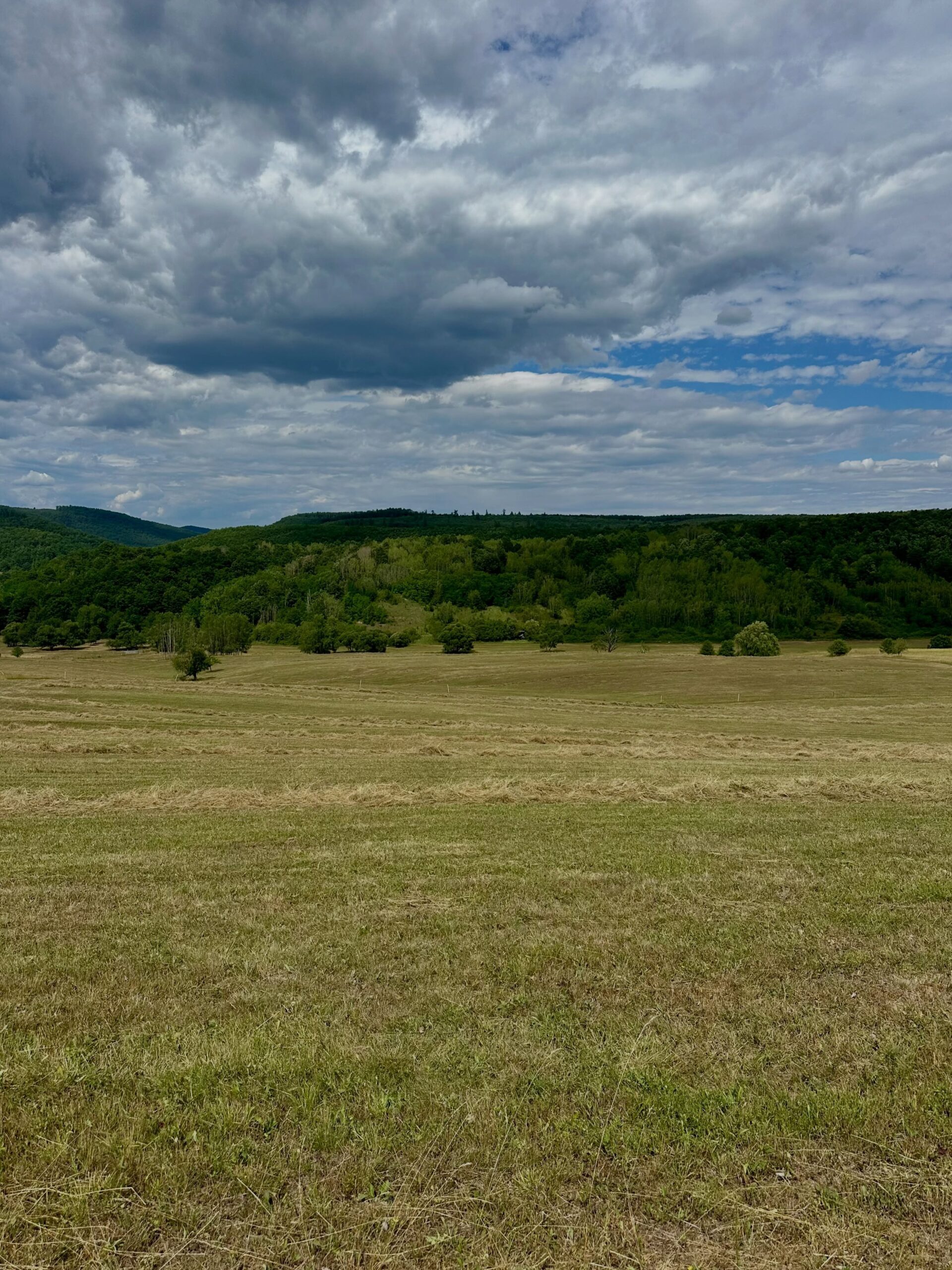
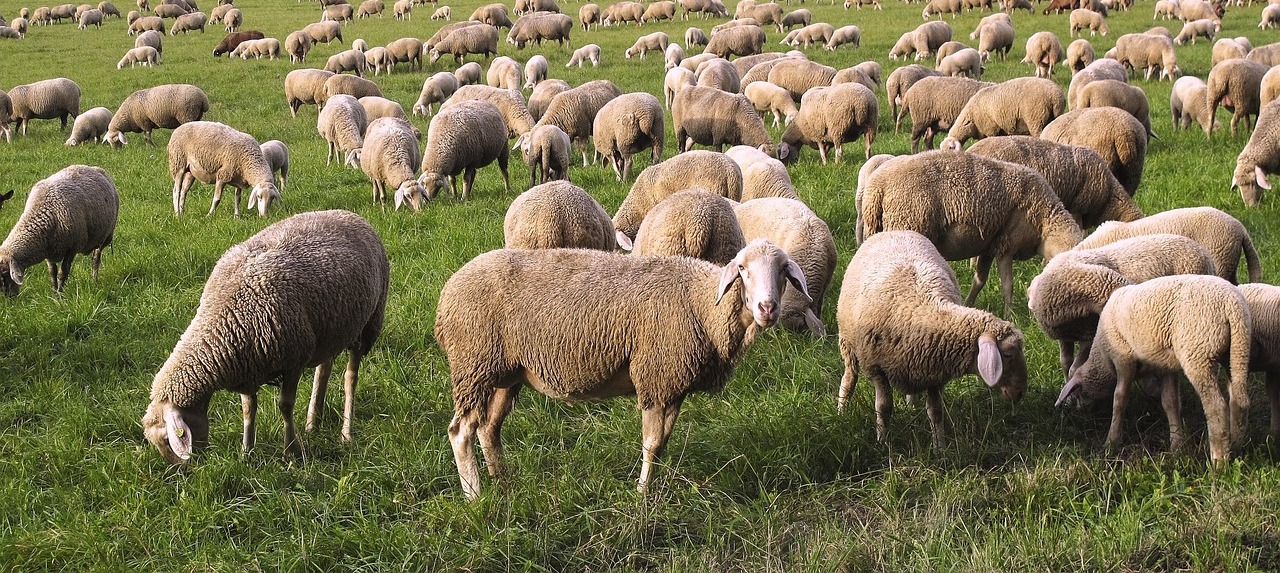
In practice, turning livestock out to pasture is not a single-day event but a process that may extend over several weeks and its timing depends on several natural conditions. The beginning and end of the grazing season are determined not by the calendar, but by weather, soil moisture, the condition of the grassland vegetation, and local topography. Of these, pasture conditions and the prevailing weather are the most important. Temperature and precipitation strongly influence both the growth of grassland vegetation and the condition of the ground. These require particular attention when managing protected natural areas, as large grazing animals can cause significant trampling damage on wet or unstable fields, potentially harming the grassland vegetation. In Hungary, the grazing season generally extends from the second half of April until the end of October. However, as noted above, neither its beginning nor its end should be determined by the calendar alone. Grazing should begin only when the ground has dried sufficiently and the grass has reached an appropriate height.

From a livestock management perspective, preparations for the grazing season begin well before spring. They actually begin in the autumn of the previous year with the pasture maintenance and cleaning, followed by routine animal health and husbandry procedures before livestock are turned out to graze. These include ear tagging, replacing lost ear tags, and hoof trimming. In spring, all livestock require a gradual transition to grazing and fresh pasture. Rather than being moved directly onto their summer pastures, they first undergo a one- to two-week acclimatisation period, during which they graze for short periods twice a day before remaining on pasture full-time.

Grazing remains the most efficient and cost-effective way of feeding livestock. However, this is true only when grazing is managed sustainably. The relationship between livestock and grasslands is not merely an economic one—it is also a matter of environmental protection, nature conservation and landscape management. Grazing provides livestock with a natural source of forage while also serving as one of the most effective tools for conserving grasslands and floodplain habitats. Many grasslands of high conservation value have been preserved in Hungary thanks to grazing-based livestock farming.

Today, one of the growing challenges facing grassland ecosystems is the use of anthelmintics, such as ivermectin, which enter pastures through the dung of treated grazing livestock. Dung deposited on pastures provides an essential resource for a wide range of arthropods, including dung beetles (Scarabidae) and various species of true flies (Brachycera). Together, these organisms form the dung-associated arthropod community, playing a vital role in nutrient cycling and the healthy functioning of grassland ecosystems. Studies have shown that dung from ivermectin-treated livestock attracts dung beetles; however, ivermectin can kill either the eggs laid in the dung or the larvae that hatch from them. Research has also shown that when livestock treated with ivermectin regularly graze the same pastures, arthropod populations may decline by as much as one-third to one-half within just five years due to reduced reproductive success.

By simply adjusting the timing of ivermectin treatments, however, farmers can make a significant contribution to preserving grassland biodiversity. One straightforward way to reduce these impacts is to administer veterinary medicines containing ivermectin at least six weeks before livestock are turned out to pasture or, alternatively, at the end of the grazing season. This allows sufficient time for ivermectin to be eliminated from the animals’ bodies, ensuring that during the growing season (from spring to autumn), grazing livestock do not introduce ivermectin into grasslands through their dung. When livestock are treated after they have been brought in from pasture, parasites acquired during the grazing season are prevented from being carried into their winter housing. These preventive measures can substantially increase the abundance of dung-associated arthropod populations while also improving the efficiency of dung decomposition.

The presence of dung on pastures is a natural and essential part of maintaining and enhancing biodiversity. At the same time, its rapid decomposition by dung-associated arthropods is also beneficial to farmers. These organisms play a crucial role in breaking down and recycling dung. When their populations decline, dung decomposes much more slowly—or, in some cases, hardly at all—as can already be observed in many grazed grasslands across Hungary. Dung that remains on pastures inhibits grass germination and can damage the surrounding vegetation creating favourable conditions for the establishment of undesirable plant species, including pioneer weeds and invasive non-native plants.

Healthy grassland arthropod communities provide substantial benefits to farmers through the efficient decomposition of dung, making their conservation not only ecologically important but also economically beneficial. In addition, dung-associated arthropods are an important food source for many other invertebrates, including spiders (Araneae), ground beetles (Carabidae) and clown beetles (Histeridae). They also provide an important food source for many grassland vertebrates, including protected reptile species, as well as declining populations of farmland- and shorebirds.

Written by: Renáta Gál, Csaba P. Nagy