Insect hotels on the grassland

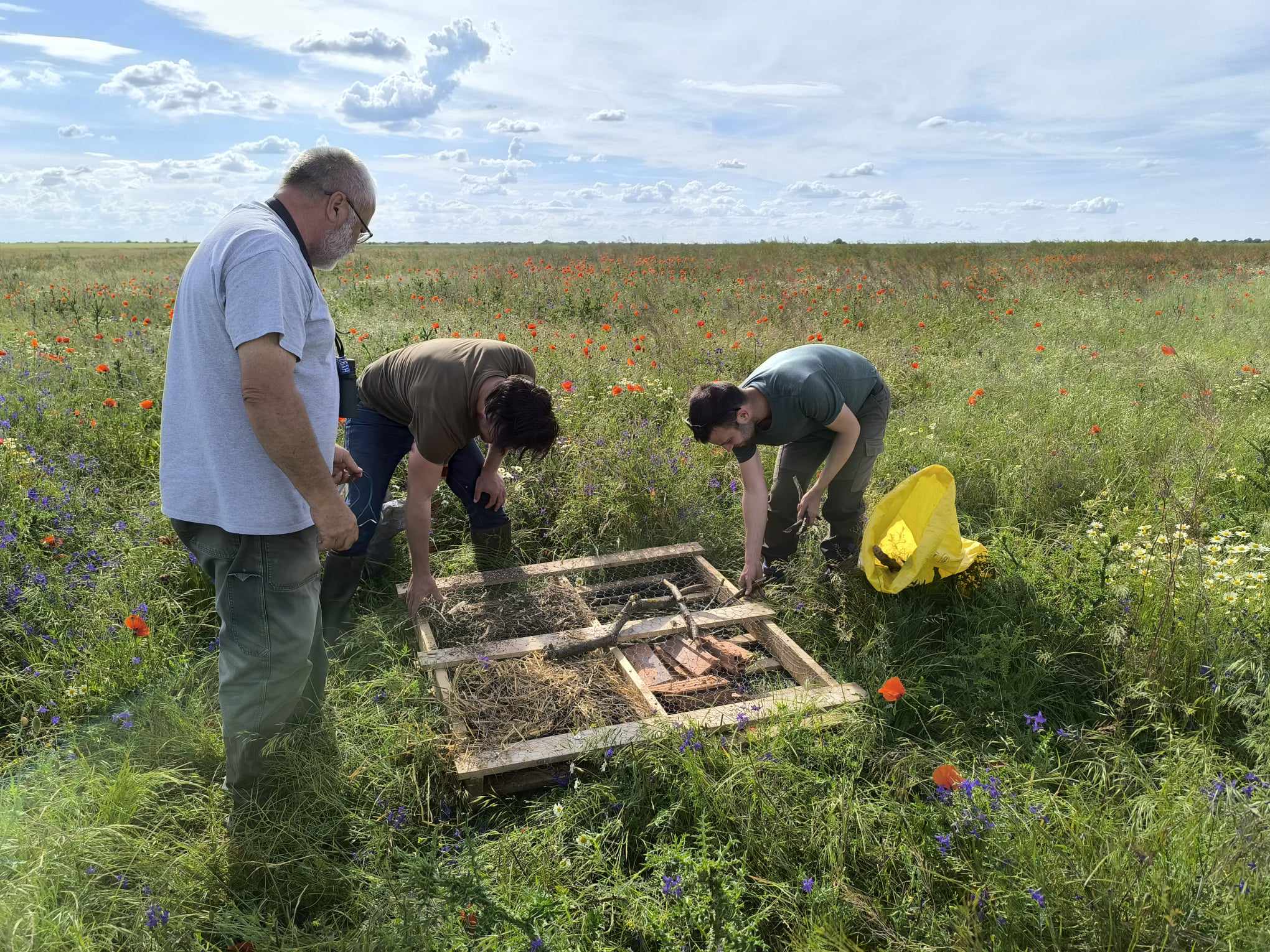
Last year we continued the installation of artificial habitats for arthropods. We have installed newly designed, innovative insect hotels at 21 sites across the project area. Due to their design, the insect hotels primarily provide habitat for feeding, hiding, breeding and overwintering for arthropods living on or near the ground surface.
The project in Bologna

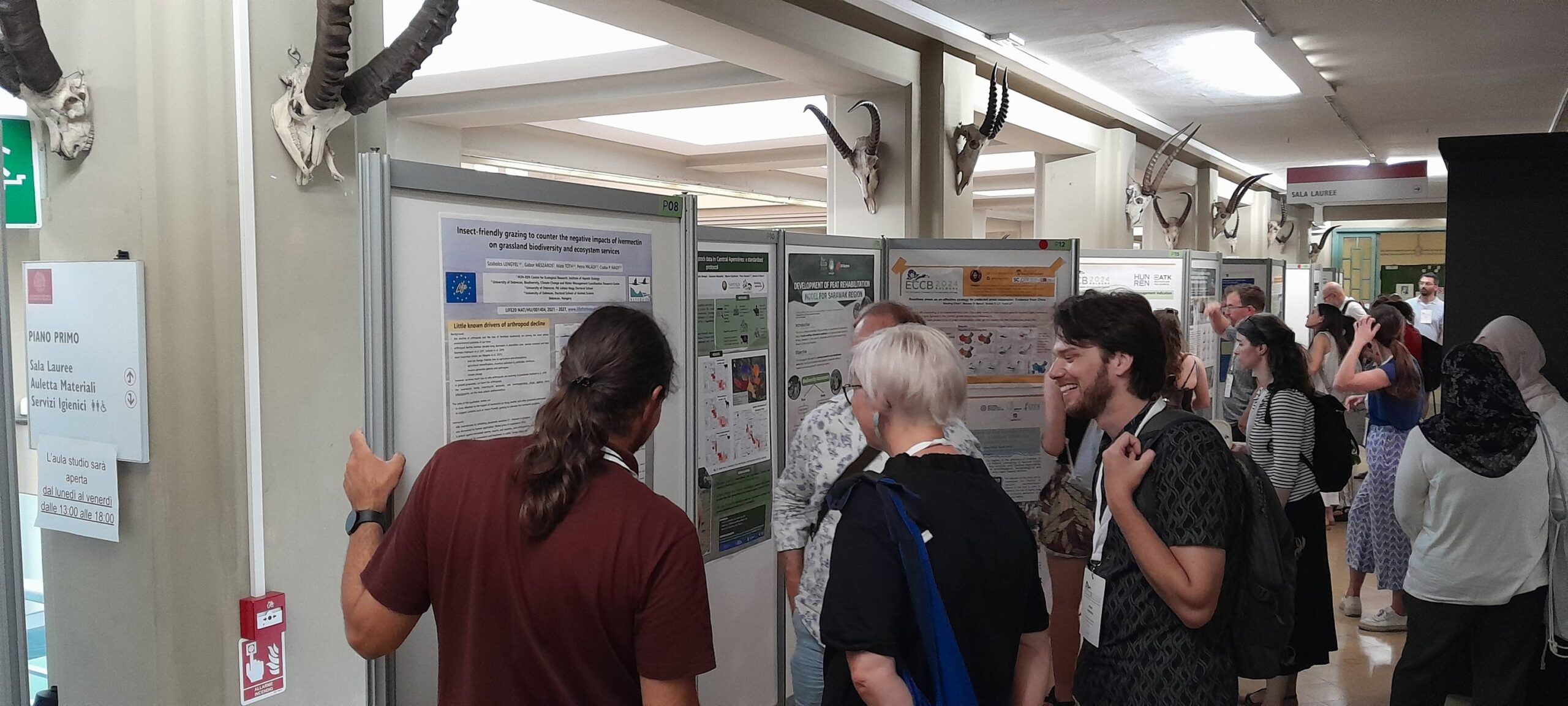
We presented the project at the 7th European Congress of Conservation Biology in Bologna, Italy in June. We presented two posters, one of which promoted the objectives and the activities in the project, while the other was about insect-friendly grazing. The two posters drew considerable interest, and we established several promising professional contacts with international experts on the topic.

Information boards

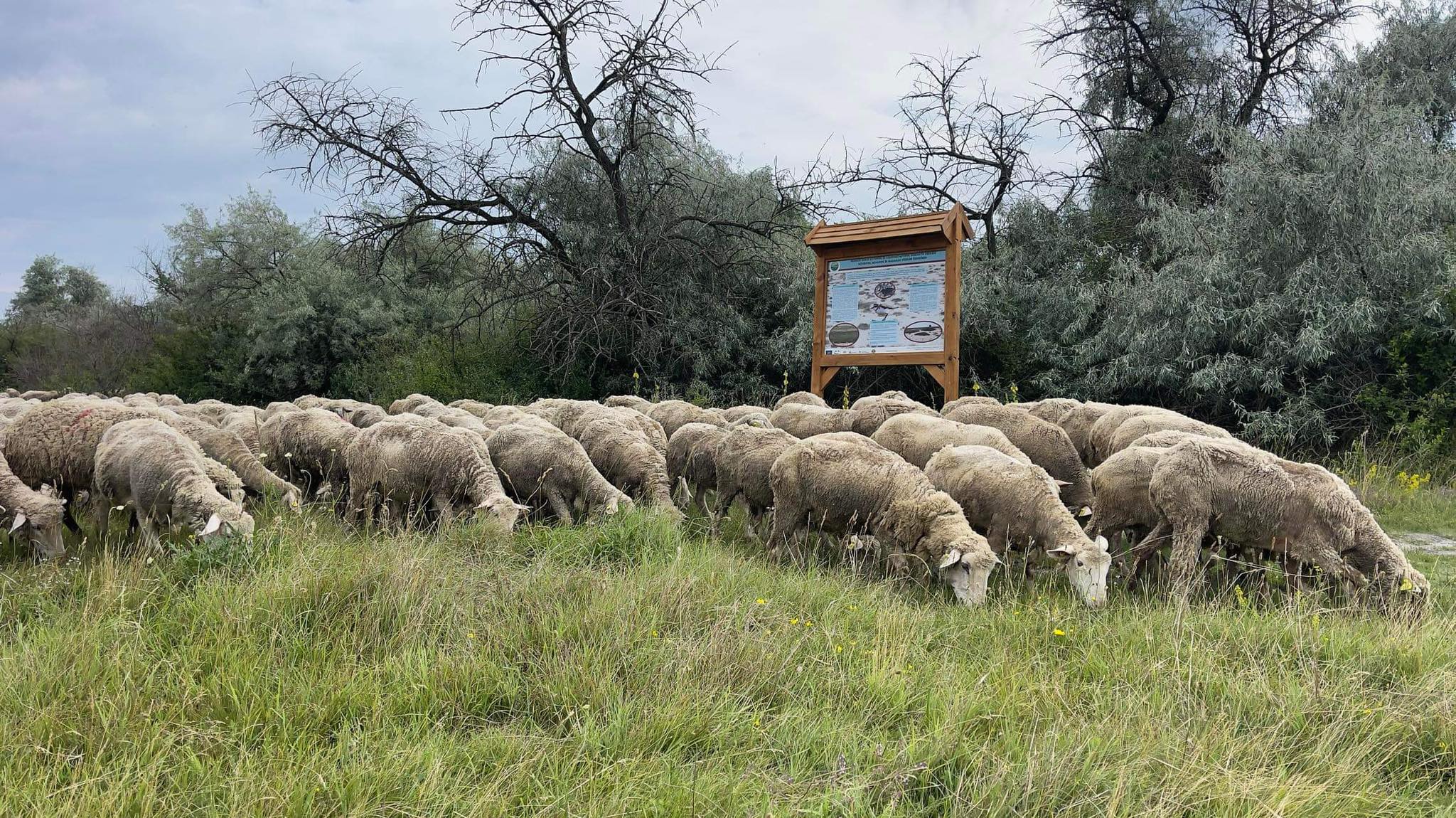
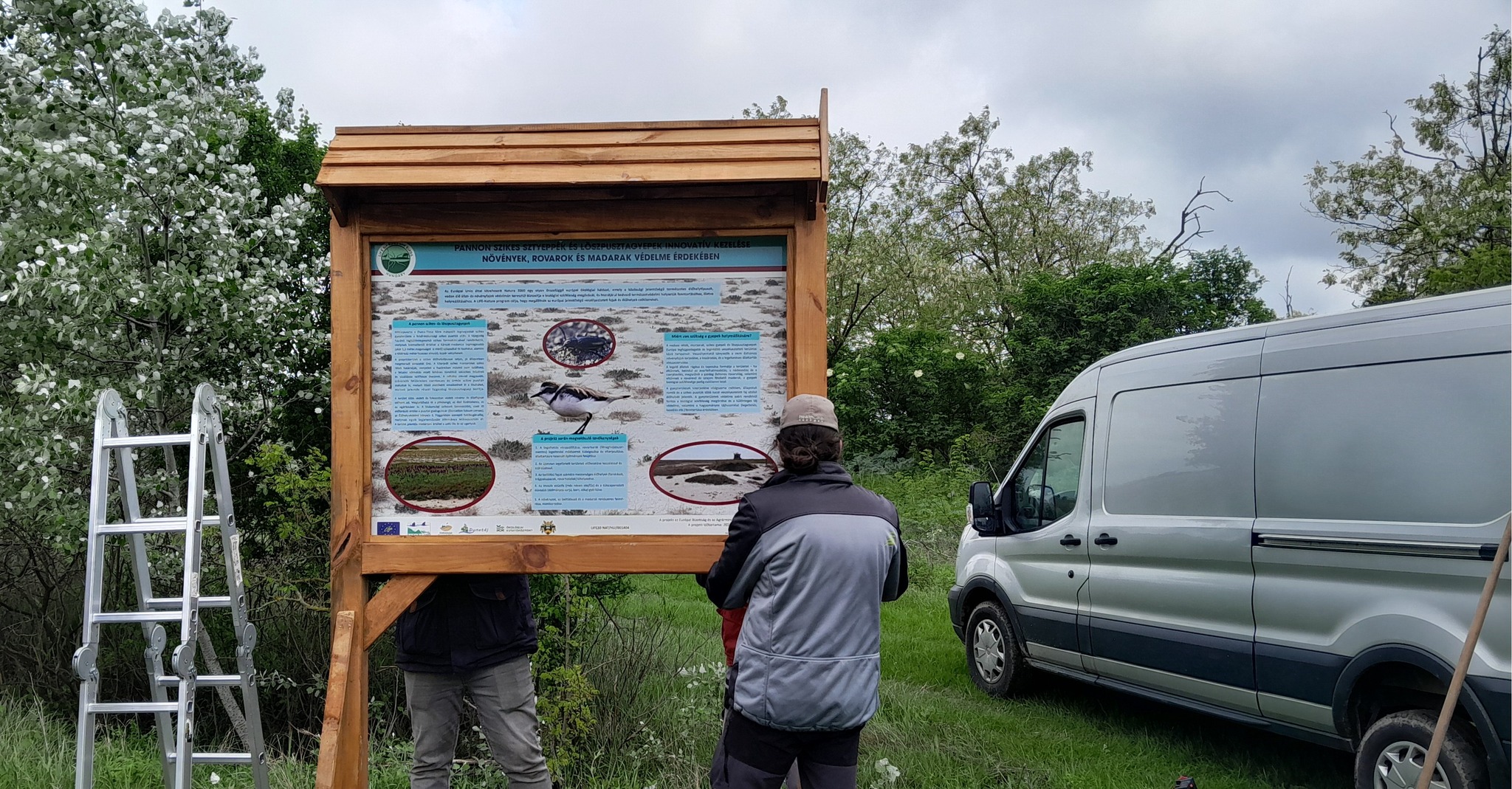
We have installed information boards to demonstrate the project activities and the natural values of the area. One of the four boards is located in the courtyard of the busy Pilgrims’ House in Harta, where locals and visitors from further afield can learn about our activities. The other three have been installed on the edge of the project area, and one of them is along a nature trail that will soon be built.

First public forums

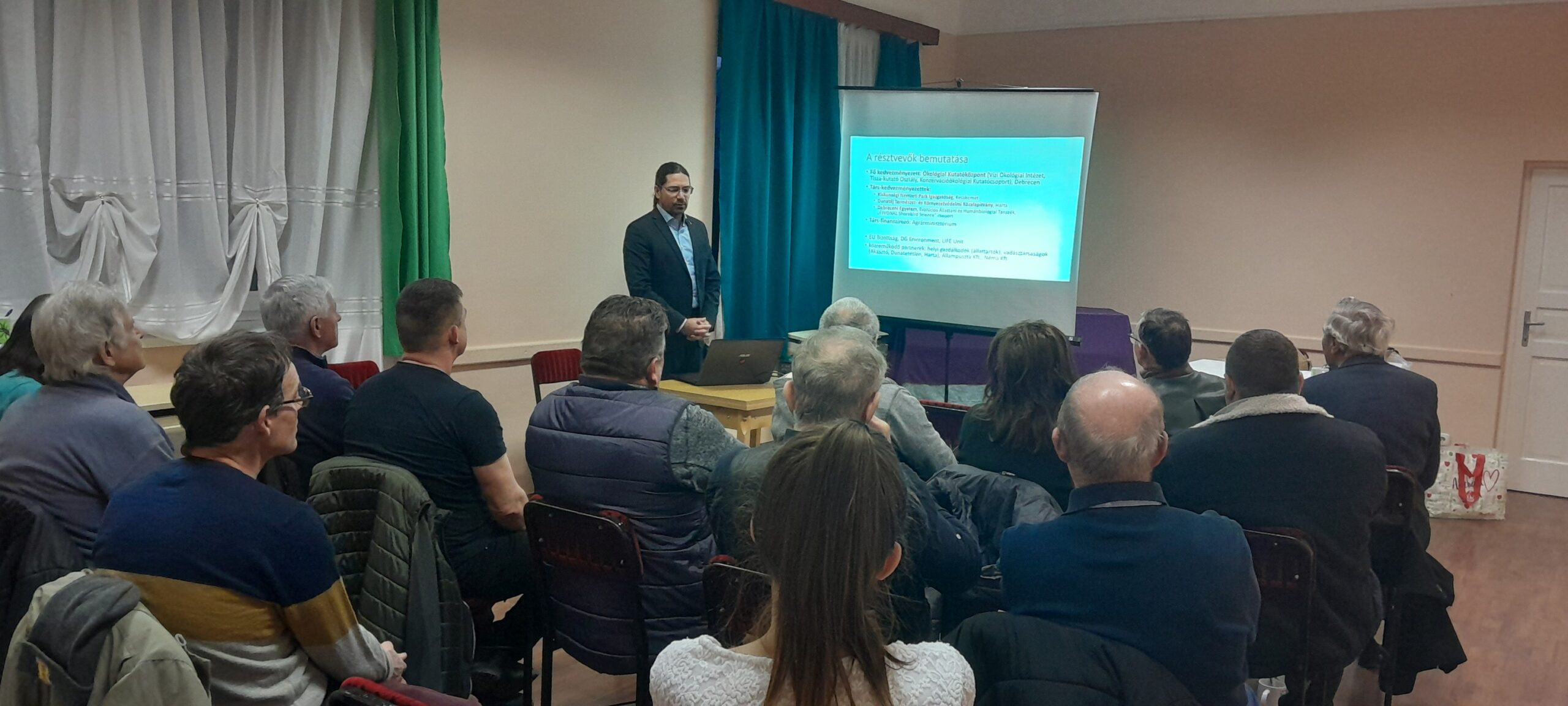
We held two public forums in Akasztó and Harta. The participants could learn about the natural values of Miklapuszta, the objectives and the activities of the project. We would like to thank everyone for their participation!

Small-flowered asparagus

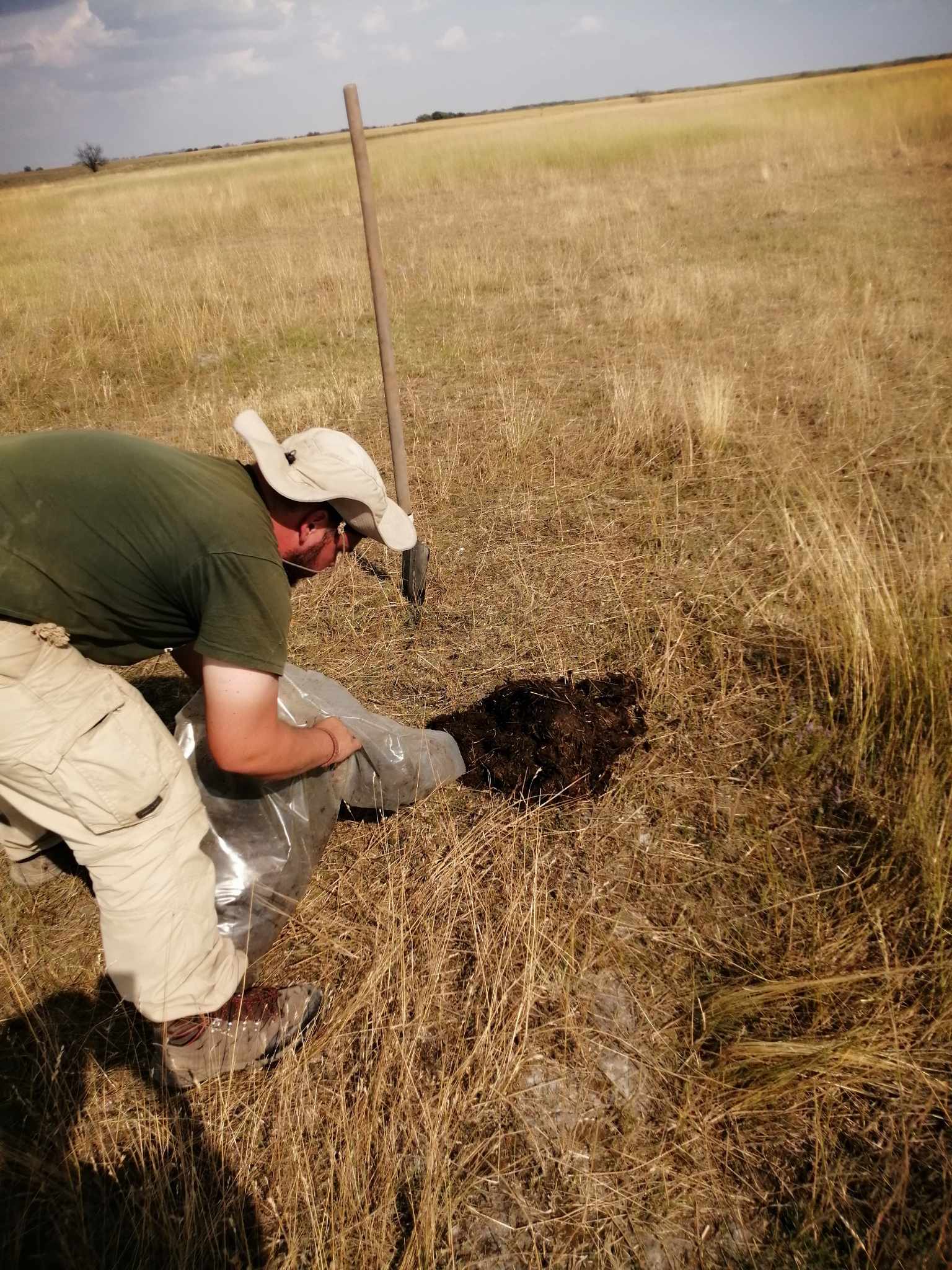
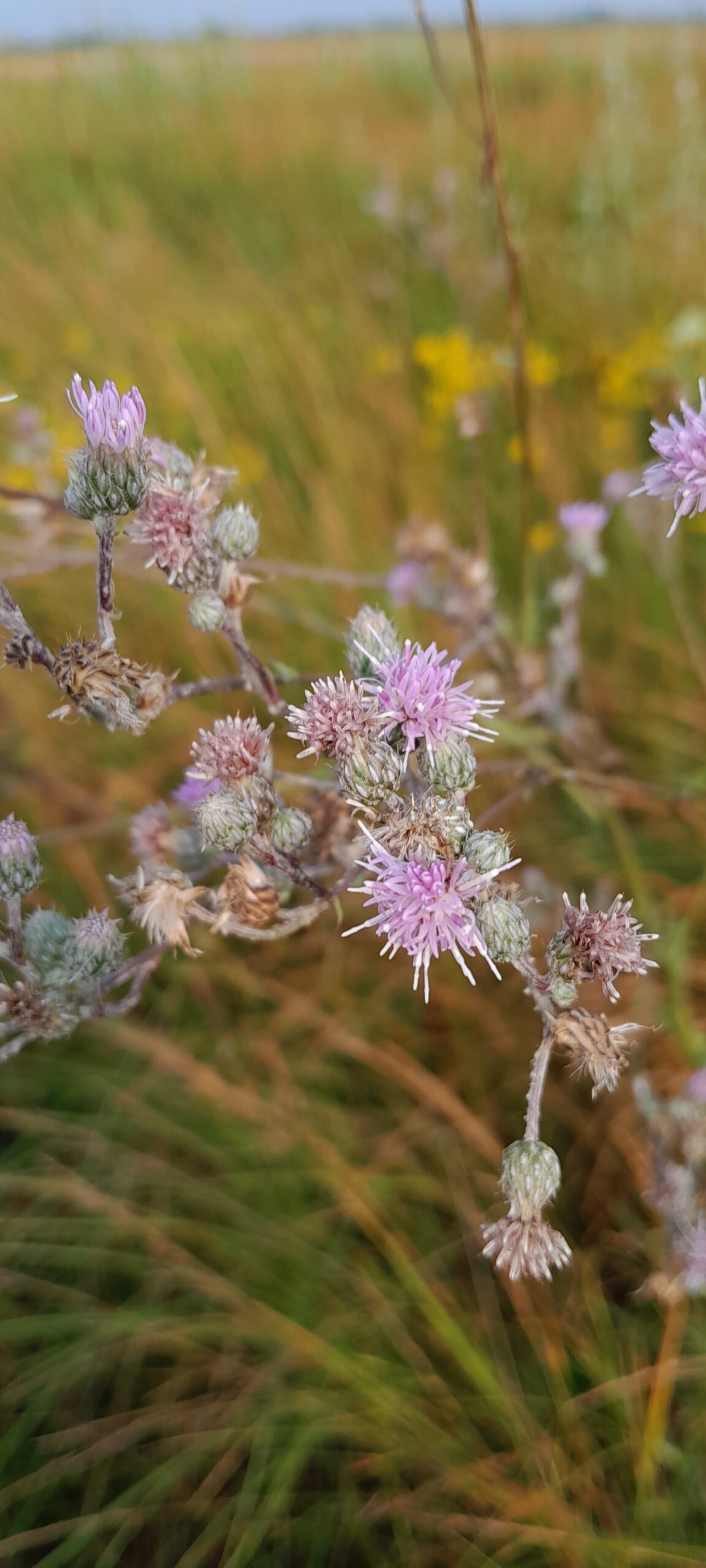
Every summer survey of the small-flowered asparagus (Cirsium brachycephalum) was completed, visiting previously known habitats of the species at a total of 8 sites. Based on the results of the survey, the population of the Miklapuszta is estimated to be at least 15 000 hectares. The small-flowered asparagus is a biennial plant, developing only an aster in the first year and flowering in the second. The flowers are small, bloom in July, and the fruit is a fuzzy cluster. Pannonian endemic species, the largest populations are found in Hungary, protected, conservation value 5000 ft.

Exhibition in Hódmezővásárhely

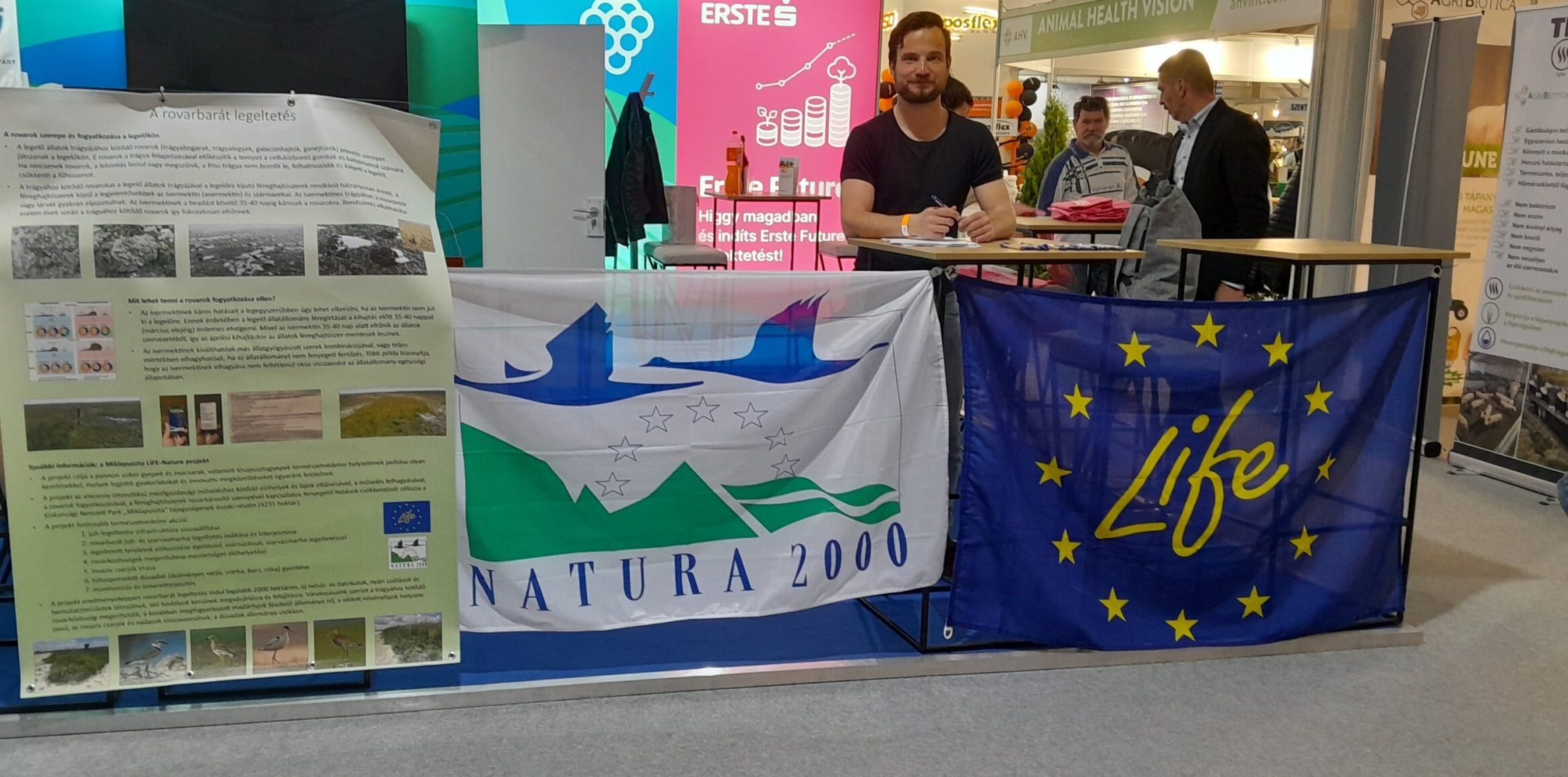
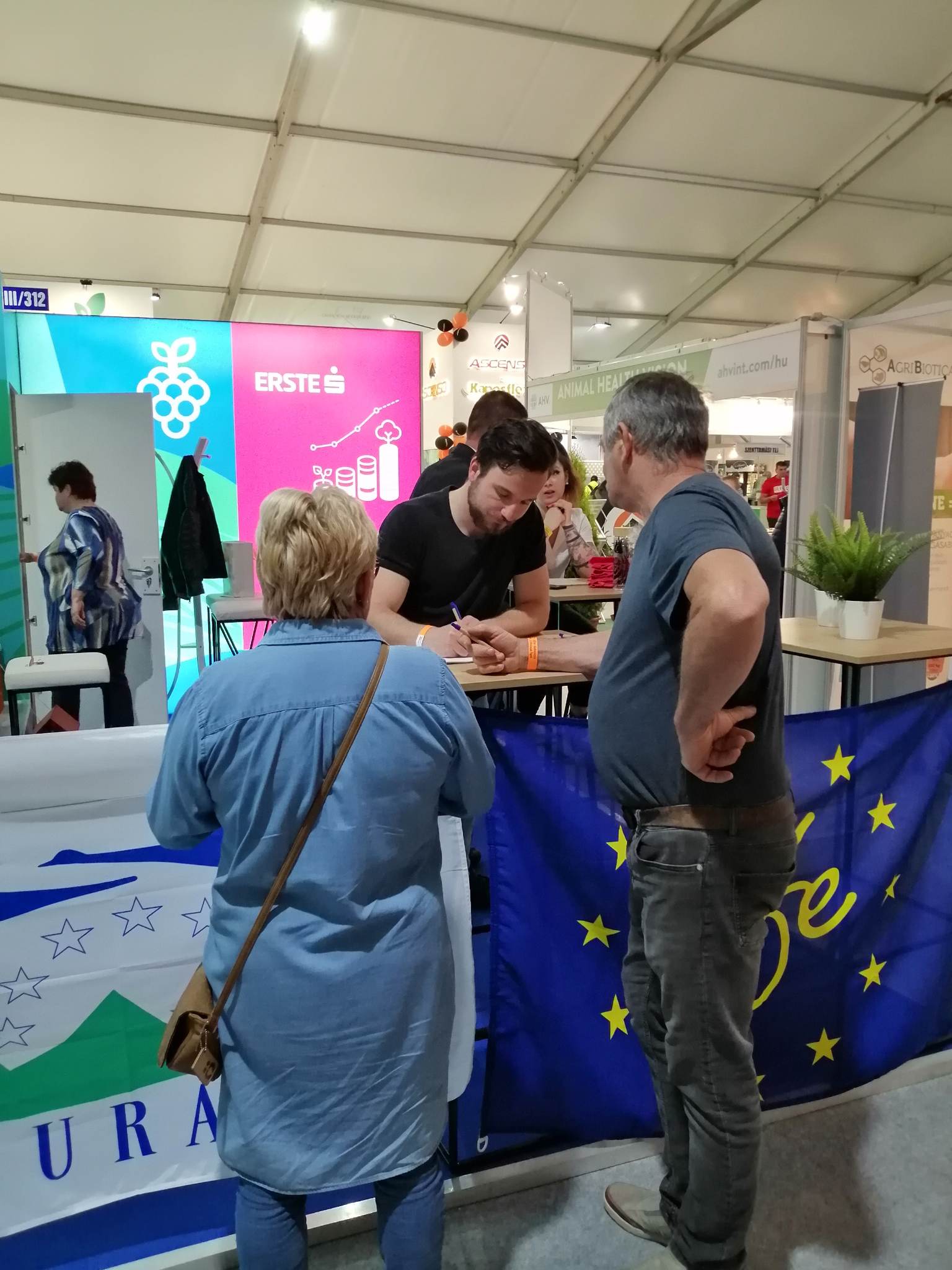
We have participated in the Alföld Animal Husbandry Days in Hódmezővásárhely, southern Hungary, where visitors could find us at two stands. In three days, we have consulted with numerous livestock farmers and promoted insect-friendly and bird-friendly grazing among them.
More than one hundred farmers have filled out our questionnaire at the event. If you are involved in livestock grazing and would like to help our research, we will appreciate if you could fill out the questionnaire, which is available HERE. If you know someone who may be interested, please share the questionnaire with them as well.

Pied Avocet

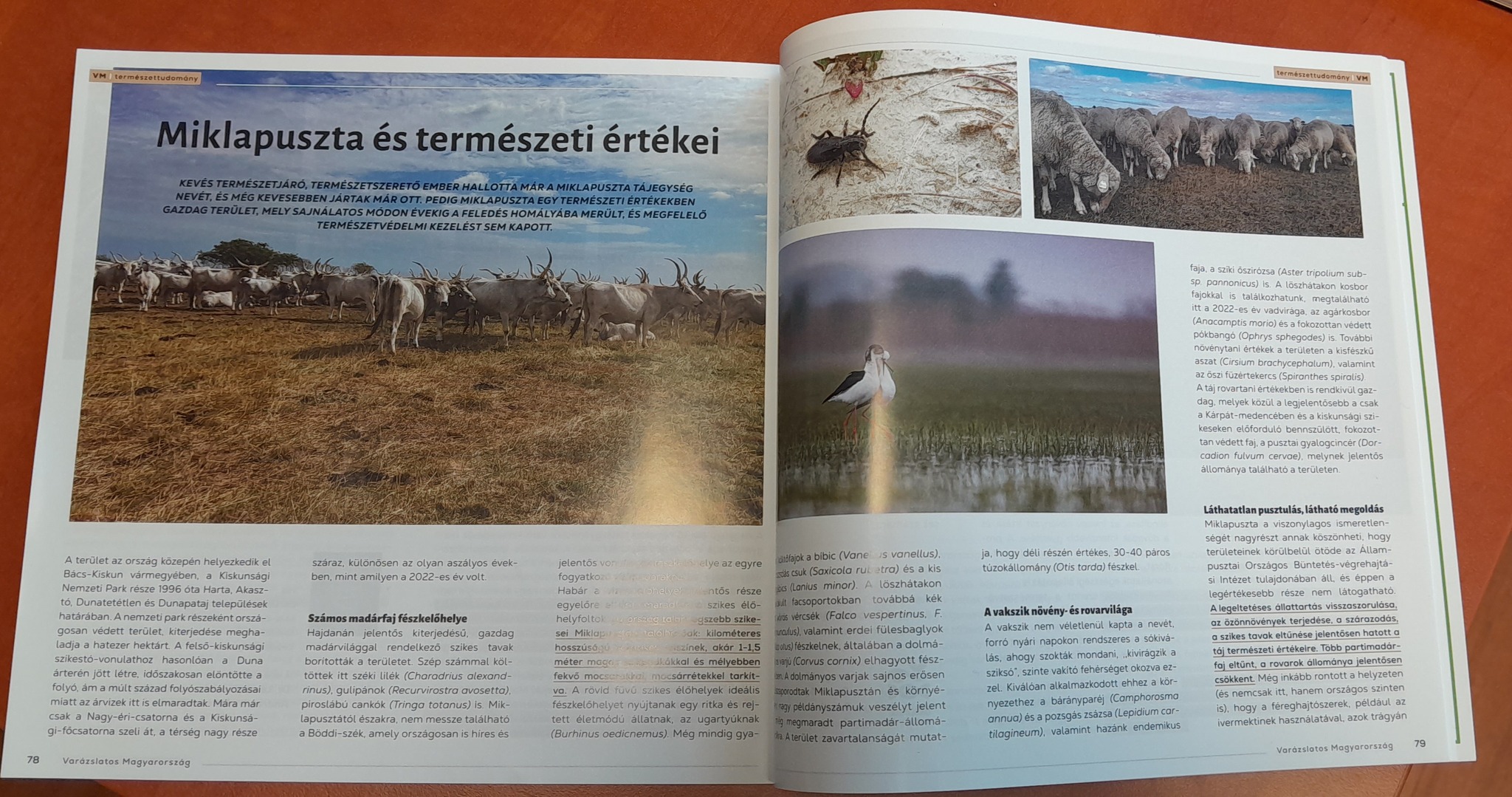
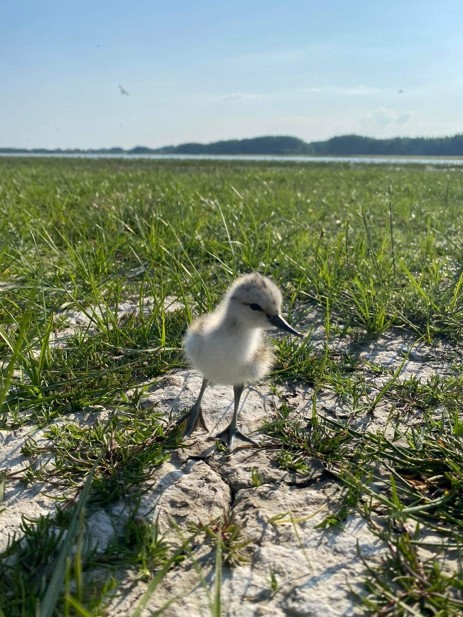
One of the ornithological values of the area is the Pied Avocet (Recurvirostra avosetta), which has a population of 10-20 pairs in Miklapuszta. Its abundance is mainly influenced by the water level of the alkali lakes. It uses its characteristic upcurved beak to scythe in the shallow water, collecting crustaceans and other aquatic invertebrates. It lays its 4 eggs in a nest built on the soil surface and the hatchlings are precocial. Its main predators are the Hooded Crow and the Red Fox, which are a threat to both eggs and chicks. It is highly protected and has a conservation value of 250,000 HUF.

Photo: Fanni Takács

Kentish Plover

Kentish Plover

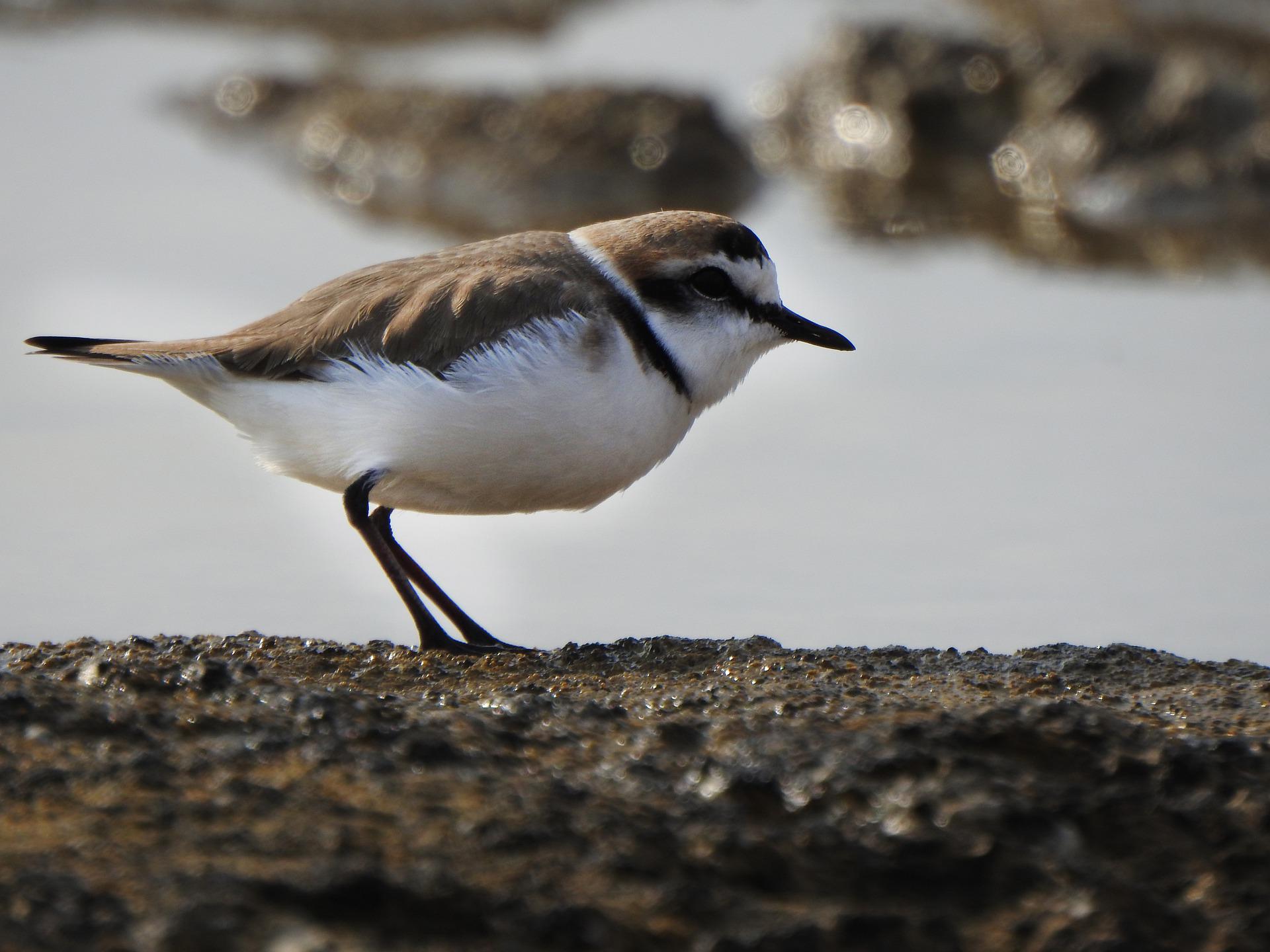
One of the target species of the project is the Kentish Plover, a small shorebird of outstanding conservation value not only in the area, but in Hungary as a whole. Its population varies a lot between 0 and 20 pairs in Hungary. The bird can be observed on bare alkali surfaces, alkali lakes and beaches. The disappearance, drying and sedimentation of alkali lakes in Hungary have negative impacts on the species. Grazing with sheep is very important for its conservation. Grazing animals reduce vegetation and the insects that develop in their dung provide food for birds. The nest of the Kentish Plover is a scrape in the ground in which they usually lay 3 eggs.

Written by: Máté Tóth