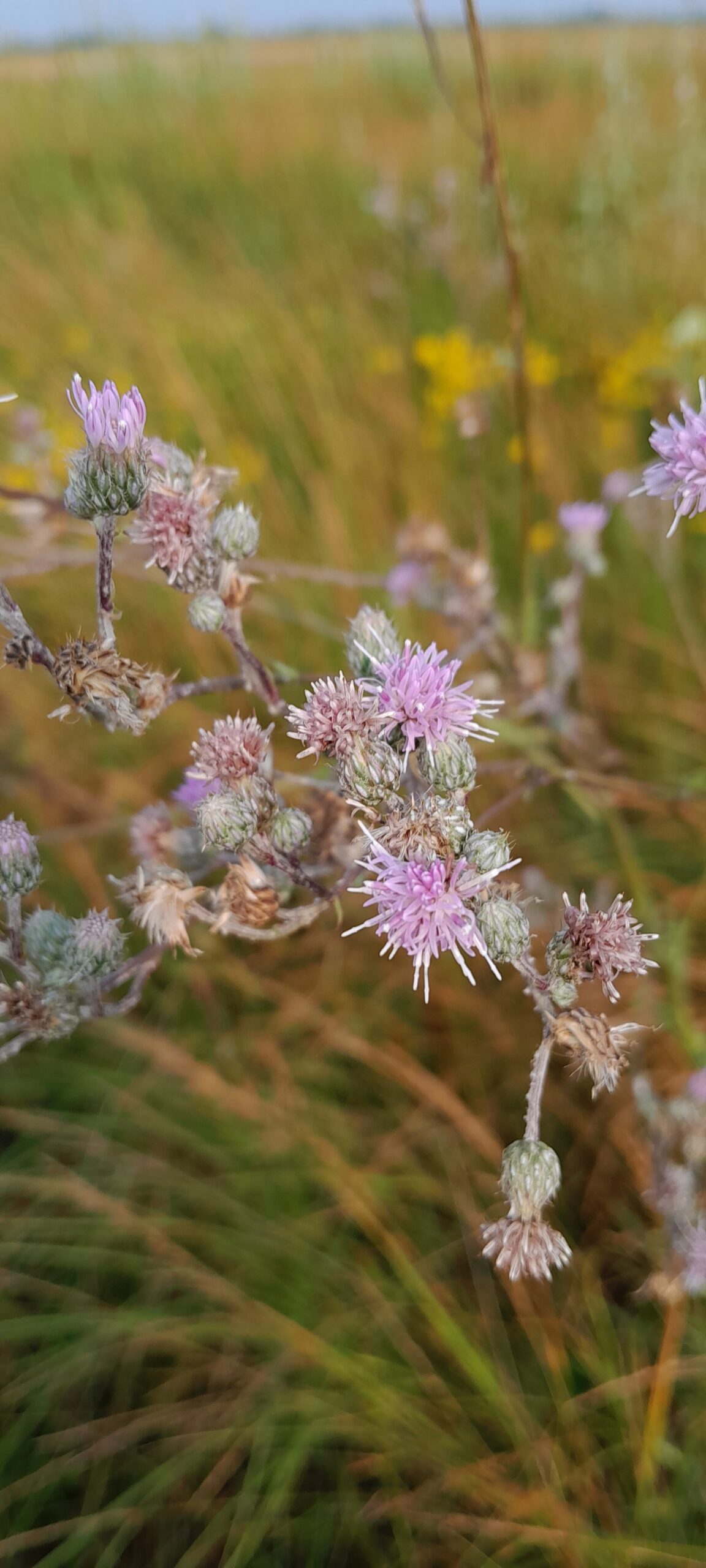
Small-flowered asparagus

Every summer survey of the small-flowered asparagus (Cirsium brachycephalum) was completed, visiting previously known habitats of the species at a total of 8 sites. Based on the results of the survey, the population of the Miklapuszta is estimated to be at least 15 000 hectares. The small-flowered asparagus is a biennial plant, developing only an aster in the first year and flowering in the second. The flowers are small, bloom in July, and the fruit is a fuzzy cluster. Pannonian endemic species, the largest populations are found in Hungary, protected, conservation value 5000 ft.
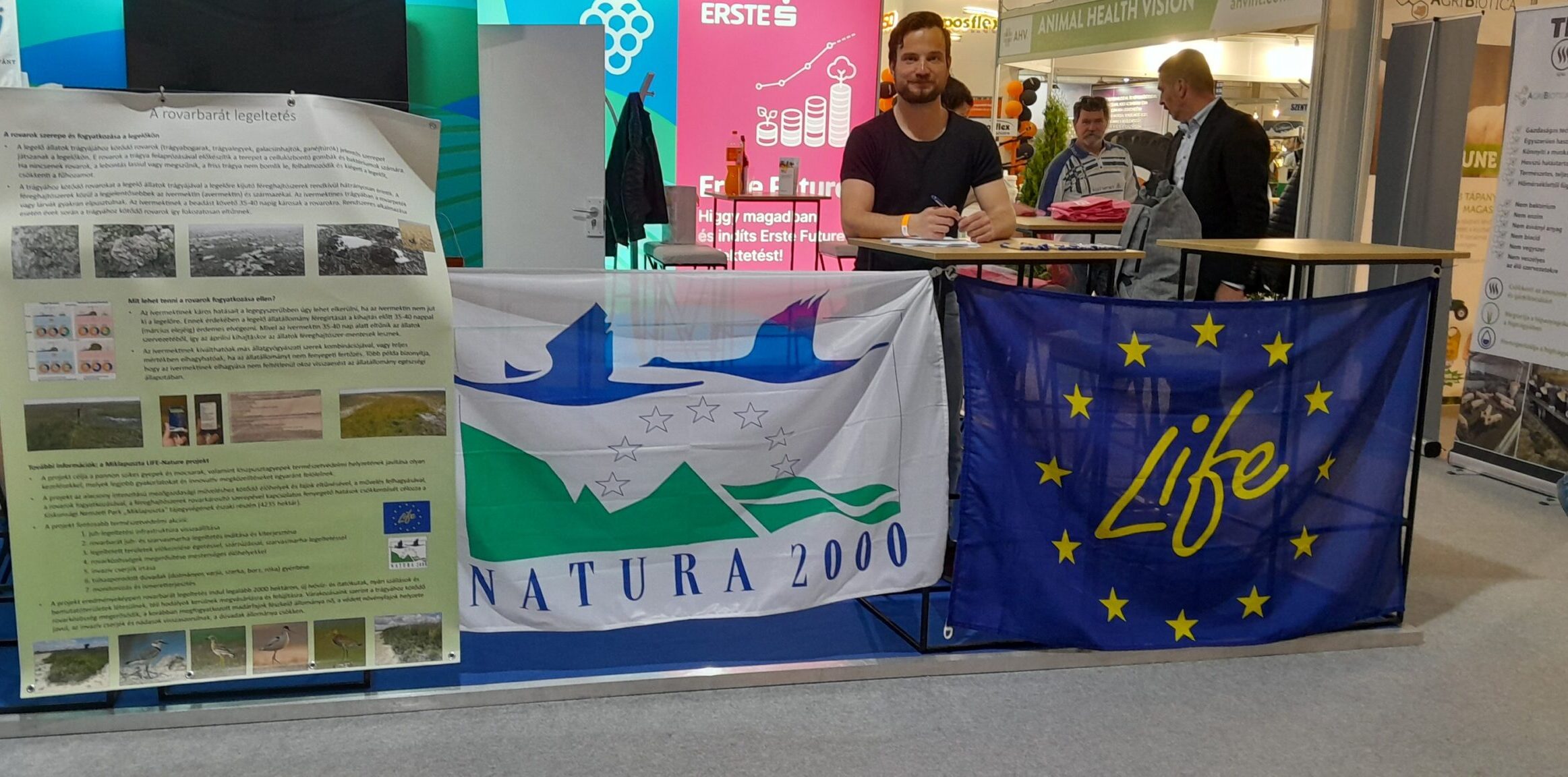
Exhibition in Hódmezővásárhely

We have participated in the Alföld Animal Husbandry Days in Hódmezővásárhely, southern Hungary, where visitors could find us at two stands. In three days, we have consulted with numerous livestock farmers and promoted insect-friendly and bird-friendly grazing among them.
More than one hundred farmers have filled out our questionnaire at the event. If you are involved in livestock grazing and would like to help our research, we will appreciate if you could fill out the questionnaire, which is available HERE. If you know someone who may be interested, please share the questionnaire with them as well.

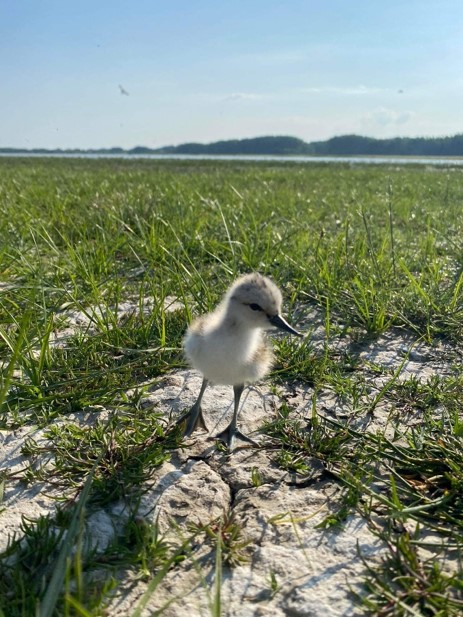
Pied Avocet

One of the ornithological values of the area is the Pied Avocet (Recurvirostra avosetta), which has a population of 10-20 pairs in Miklapuszta. Its abundance is mainly influenced by the water level of the alkali lakes. It uses its characteristic upcurved beak to scythe in the shallow water, collecting crustaceans and other aquatic invertebrates. It lays its 4 eggs in a nest built on the soil surface and the hatchlings are precocial. Its main predators are the Hooded Crow and the Red Fox, which are a threat to both eggs and chicks. It is highly protected and has a conservation value of 250,000 HUF.

Photo: Fanni Takács

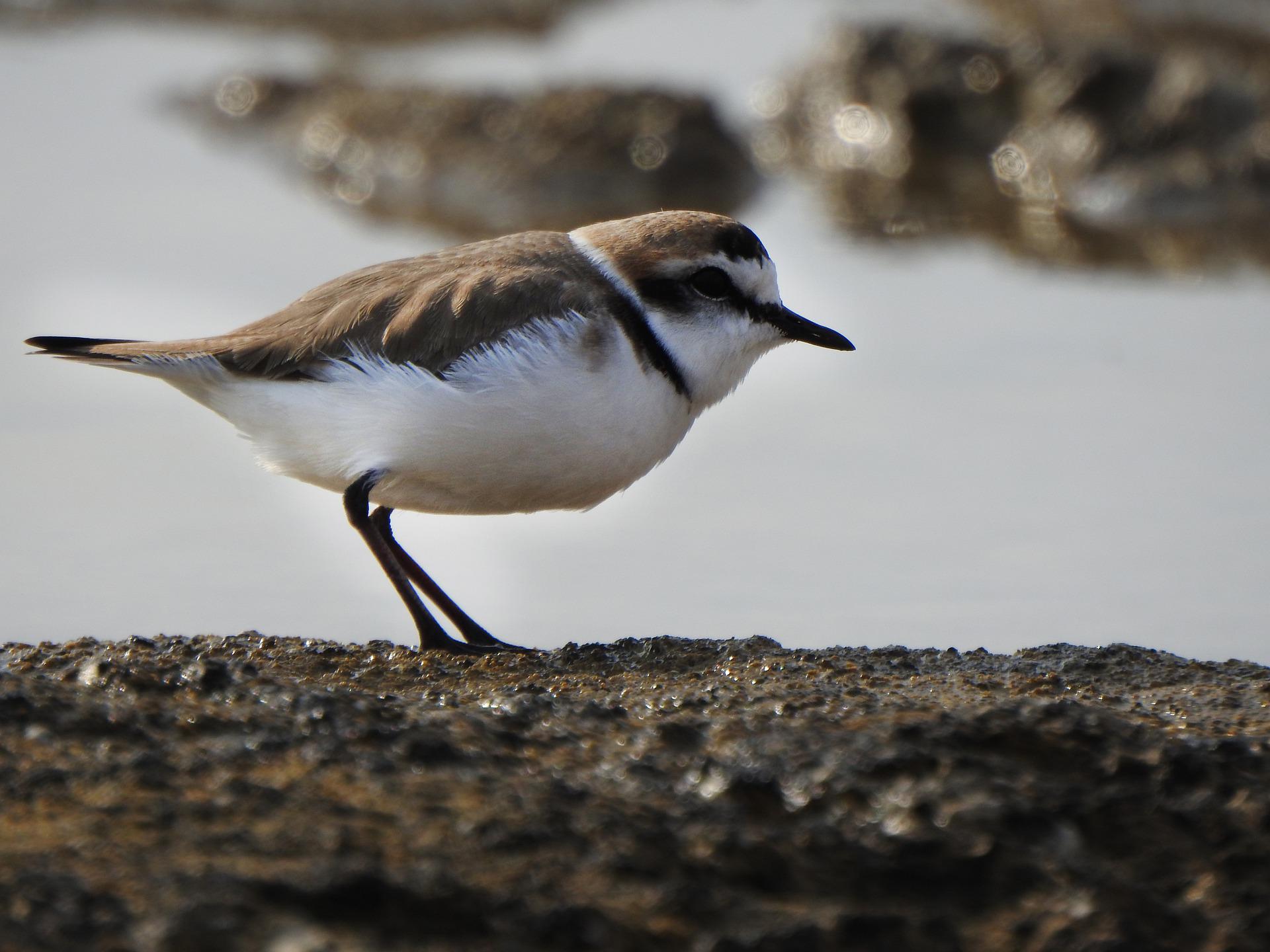
Kentish Plover

Kentish Plover

One of the target species of the project is the Kentish Plover, a small shorebird of outstanding conservation value not only in the area, but in Hungary as a whole. Its population varies a lot between 0 and 20 pairs in Hungary. The bird can be observed on bare alkali surfaces, alkali lakes and beaches. The disappearance, drying and sedimentation of alkali lakes in Hungary have negative impacts on the species. Grazing with sheep is very important for its conservation. Grazing animals reduce vegetation and the insects that develop in their dung provide food for birds. The nest of the Kentish Plover is a scrape in the ground in which they usually lay 3 eggs.

Written by: Máté Tóth

Sheep grazing has returned to the Miklapuszta

Spectacular differences in vegetation of abandoned (left side) and grazed areas

Sheep grazing has returned to the Miklapuszta project area after several decades. Currently, around 200 Grey Cattle and 500 sheep are roaming the landscape, effectively implementing habitat management in the protected area. Once upon a time, 2000 to 2500 sheep grazed in Miklapuszta. As livestock farming declined, sheep-grazing gradually disappeared from the core project area, where a grassy steppe vegetation has established and several undesirable plant species (Common Reed, Russian Olive, Common Milkweed) have proliferated. Livestock control these plants by their grazing and trampling, and their manure provides nutrients to the native vegetation and for the development of arthropod larvae, which can provide food for insectivorous birds, particularly to two target species of the project, the Eurasian Stone Curlew and the Kentish Plover. Grass kept short by grazing animals are preferred breeding habitats for these birds.

The first kentish plovers in the project area

Grassland management last year and abundant rainfail this spring have brought the expected results. We have observed the first pair of Kentish Plovers in the core project area that had been managed by cattle and sheep-grazing last year. We hope that they start nesting and breed successfully to contribute to the re-establishment of this threatened species in the project area.

Photos: Petra Paládi

Dorcadion surveys

We have completed surveys of arthropod species and communities in the project area. We will use the results to compare the current arthropod community with the community found in a similar survey 31 years ago. We also conducted the first surveys of the population of Dorcadion fulvum cervae, a beetle subspecies endemic to Hungary, which have provided us with more information on the distribution and activity of this threatened subspecies. Next year, we will also install artificial habitats (wood piles, manure piles, insect hotels) to increase the number of arthropods in the area.

Implementing a conservation project in “Miklapuszta”

Bare alkali flat with patches of cress (Lepidium spp.)

The “Miklapuszta” landscape unit of Kiskunság National Park is located in the centre of the country, in Bács-Kiskun County. It is a nationally protected natural area, covering more than 6,000 hectares. Perhaps the country’s most beautiful alkali grasslands are found here: kilometres of bare alkali surfaces, separated by loess plateaus up to 1-1.5 metres high and by marshes and meadows in deeper-lying areas. About one-fifth of its area is part of the Állampuszta National Prison. Experts from the Centre for Ecological Research, the Kiskunság National Park Directorate, the Élvonal Shorebird Science team of the University of Debrecen and the Dunatáj Nature and Environmental Protection Public Foundation are implementing a conservation project here with the support of the European Union’s LIFE-Nature programme, which includes the re-establishment of grazing, the eradication of invasive plants, and the study of the effects of anti-worm veterinary drugs on arthropod and bird diversity.